
Shortleaf Pine Reforestation
About Shortleaf Pine
Shortleaf pine is a native species of pine once widespread across the Southeast. Over the past 30 years, this native pine has declined significantly over its range because of massive infestation by invasive pine beetles, changes in timber management, and land use patterns.
Benefits of shortleaf pine include aesthetics and wildlife habitat. Shortleaf grows more slowly and takes longer to mature than loblolly pine; however, this slower growth leads to a straighter, more robust tree with finer grain – creating an appealing timber product. With a lifespan approaching 200 years, shortleaf pine can grow up to 100 feet tall and 3 feet in diameter.
Shortleaf pine stands are also excellent for wildlife habitat. Unlike loblolly, which grows quickly and forms a dense, closed canopy, the shortleaf pine has a more open canopy that supports multiple levels of habitat for a variety of species. Increased browse and mast production (food sources) and nesting cover are some of the benefits of shortleaf, whose open canopy allows for lush growth of grasses and forbs beneath.


Reforestation Project
Southern Appalachian Highlands Conservancy manages roughly 13 acres at the SAHC Community Farm to promote Shortleaf pine habitat. With support from partners and volunteers, we have planted over 2,500 Shortleaf pine seedlings and conducted prescribed burns in this successful reforestation project.
Additionally, in 2019, SAHC received a Cornell Land Trust Bird Conservation Initiative grant to restore rare conifer communities – which helped support this shortleaf pine project. In this video, learn more about the importance of this tree species for birds and wildlife habitat, and how prescribed burns are used in habitat management.
We are very grateful to the following for making this project possible:
In this video – Learn more about the shortleaf pine species, the reforestation project at the SAHC Community Farm, how this fire-dependent species benefits from active management, and the bird species that benefit from SAHC’s conservation and habitat management efforts.
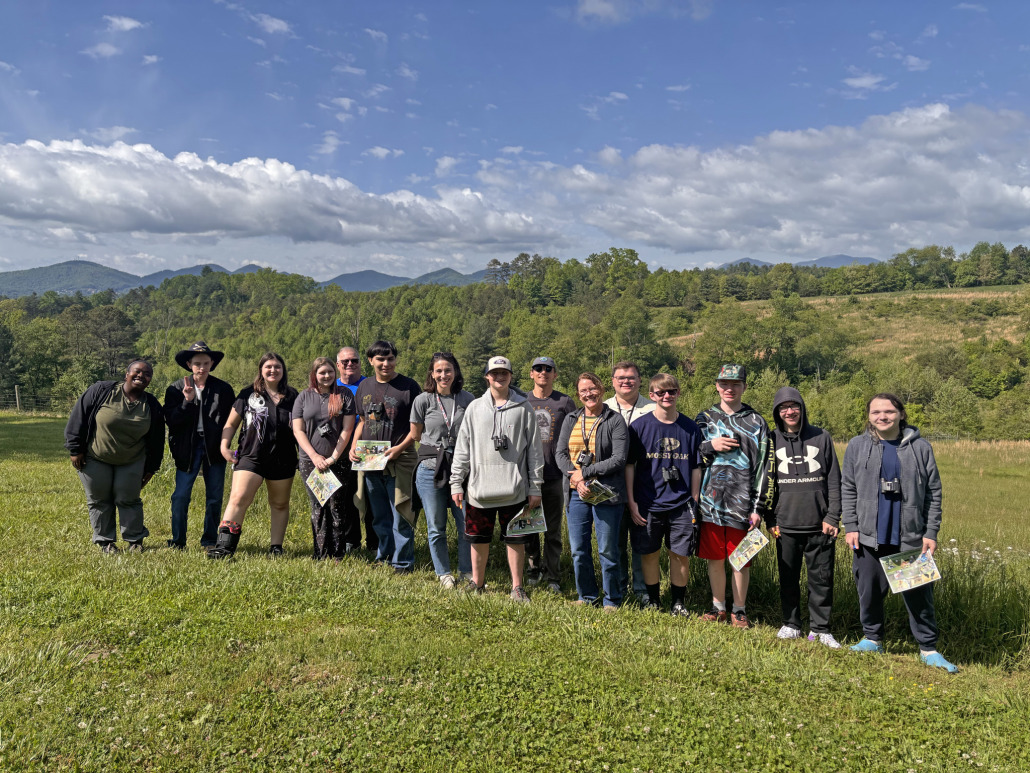
We would like extended a special thanks to the Cornell Lab of Ornithology and Land Trust Alliance Bird Conservation Initiative grant program, NC Forest Service, NC Wildlife Resources Commission, French Broad River Academy, and all other volunteers who have assisted us at the Community Farm over the years. We couldn’t do it without you!
Related Stories


We Can't Do It Without You
Together, we can protect Appalachia’s lands and secure a healthier future for generations to come.