Wilson Farm
A Farm Story, a Family Story – in Mitchell County, NC

Southern Appalachian Highlands Conservancy (SAHC) recently closed on a new agricultural conservation easement preserving 87.5 acres of farmland in Mitchell County, NC. As conscientious landowners and stewards of the land, Steve and Cynthia Wilson had taken deliberate steps over the years to safeguard the natural resources on their property. They completed mitigation easements in 2007 to protect waterways on the farm, and later sold part of their forested acreage to be conserved – which is now part of SAHC’s South Yellow Mountain Preserve. Steve and Cynthia both grew up in the region, with deep roots in the farming traditions of the Southern Appalachian mountains. They continue to carry forward the legacy of their ancestors – raising livestock, growing food from heritage seed, and teaching their children to understand and appreciate a connection to the land.
The preservation of the Wilson Farm is a story of cooperation, care, and multigenerational efforts to protect it.
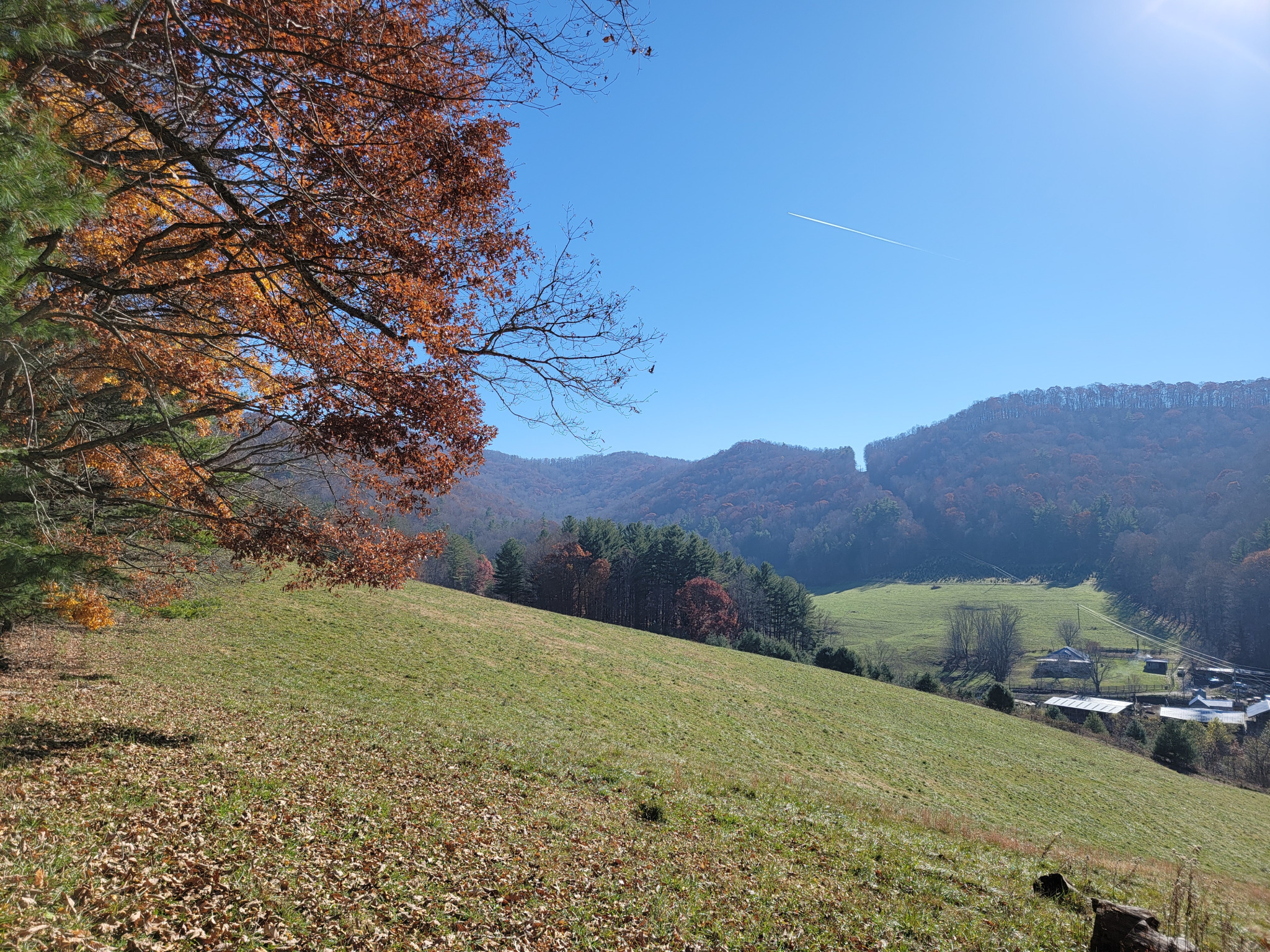
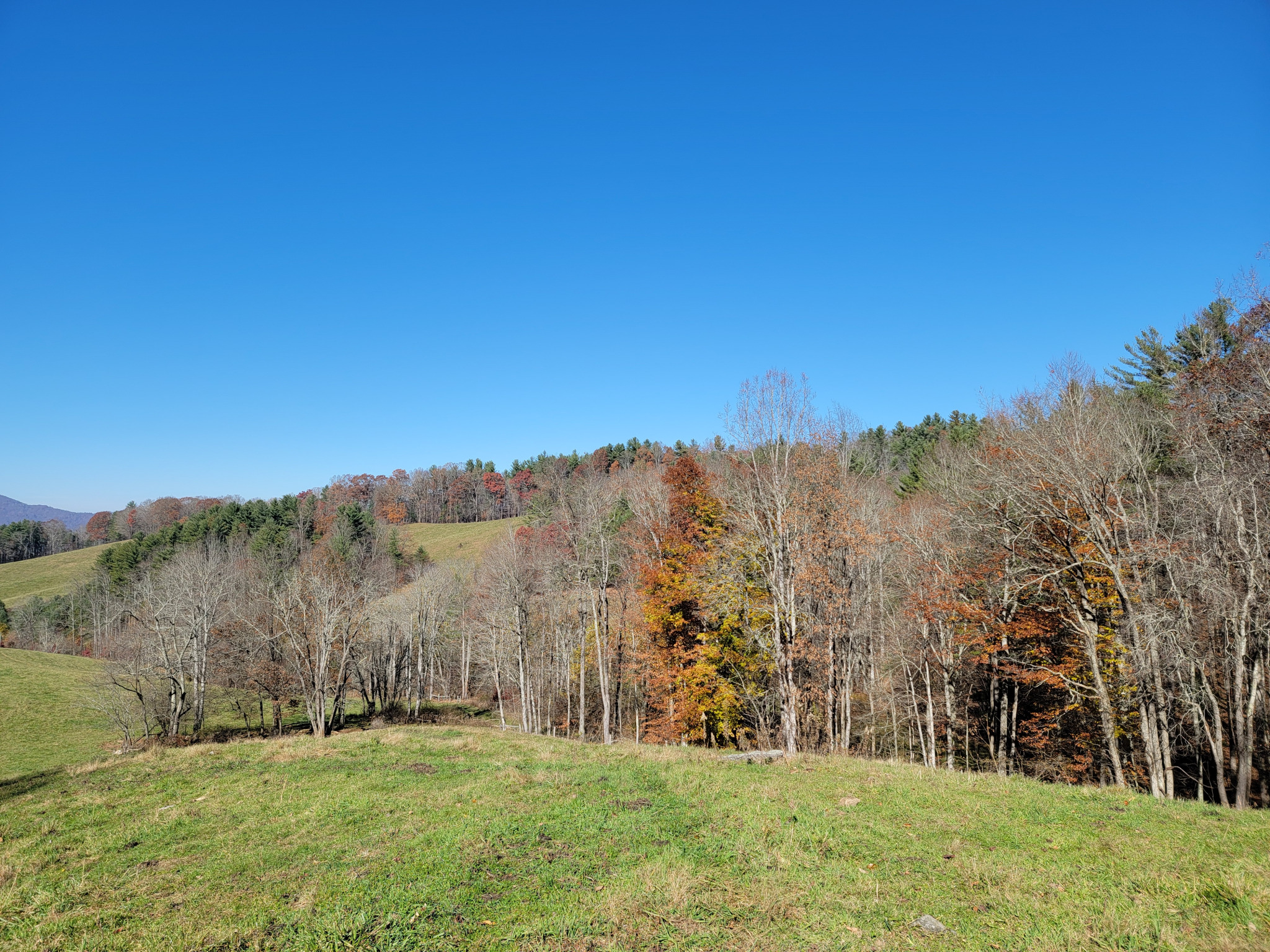
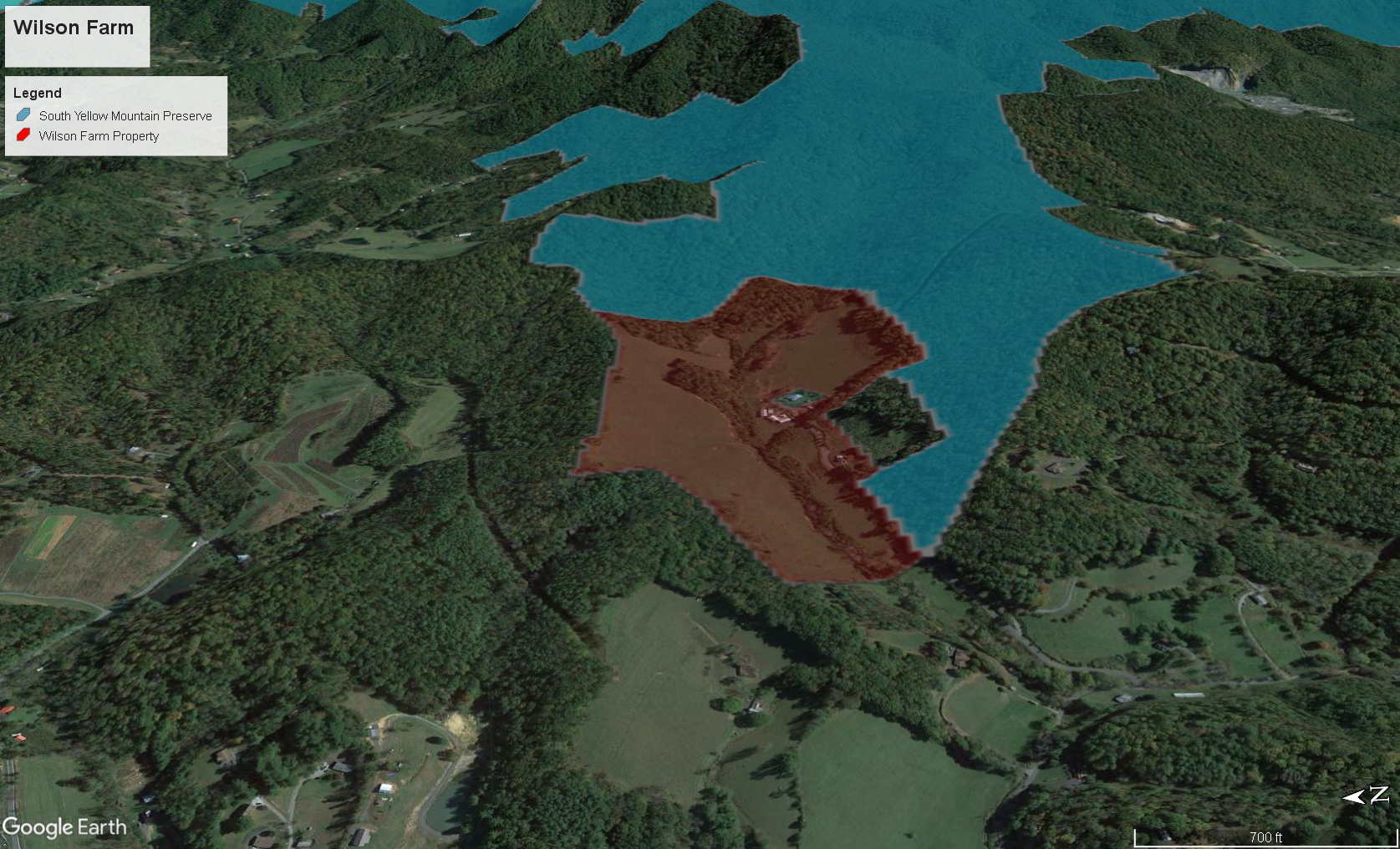
“The concerted effort of the Wilson family to collaborate and do what’s best for the land and their family members is simply inspirational,” says Farmland Protection Director Jess Laggis. “The family wanted to keep farming their land but to ensure that it wouldn’t be developed. The parcel’s public road access, rolling terrain, stunning views, and proximity to Bakersville create an alluring tract for development. Maintaining the land as farmland not only protects the natural resources and agricultural viability of the tract, but also provides an open space buffer to SAHC’s adjoining 7,500-acre South Yellow Mountain Preserve. This agricultural conservation easement continues water protection on waterways flowing from the preserve. Steve and Cynthia’s commitment to conservation is remarkable. Protecting the heart of their farming operation with SAHC and Natural Resources Conservation Service is the final piece of a conservation puzzle they’ve been working on for years. This is a gift for posterity we can all be thankful for!”
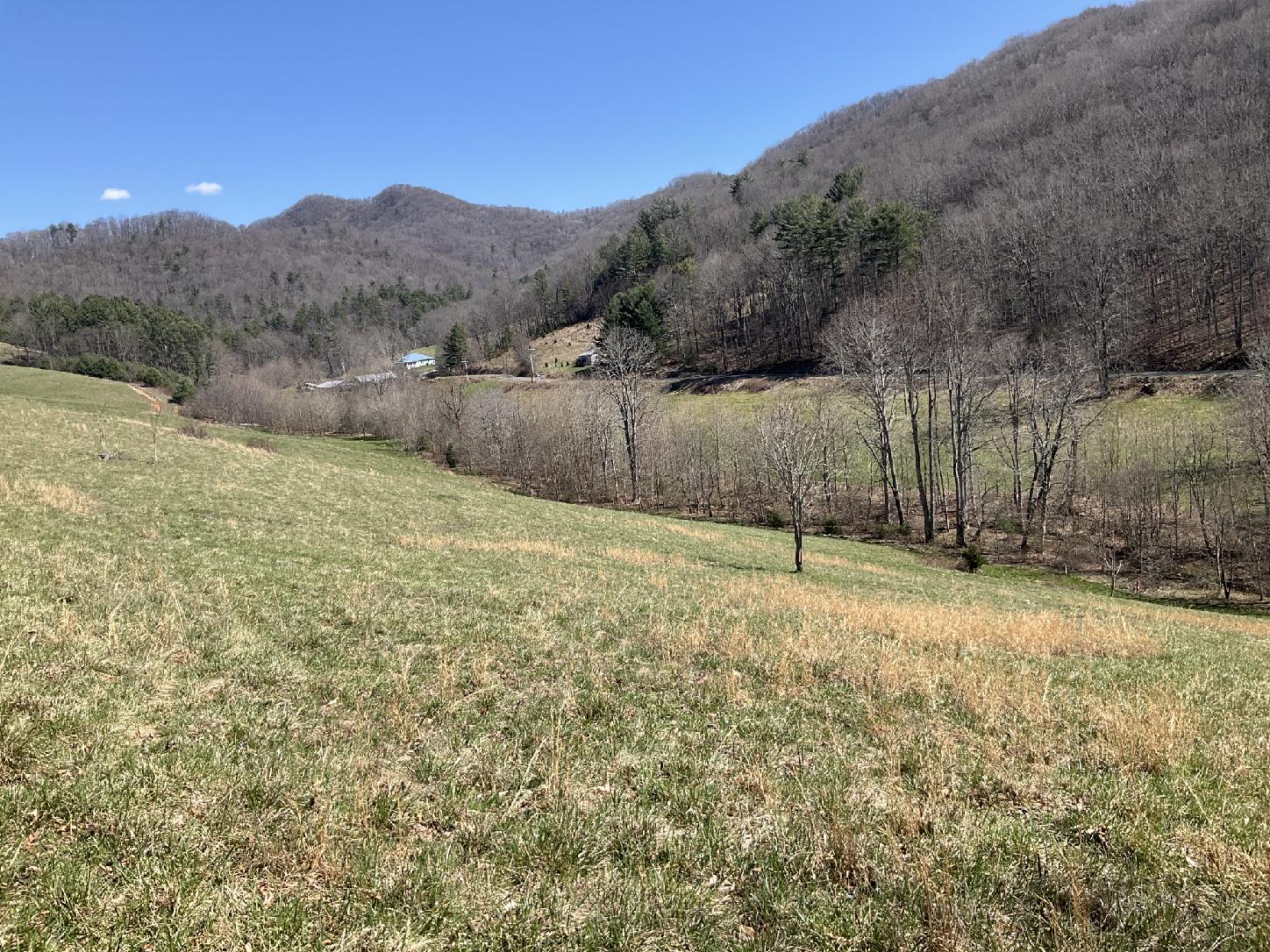
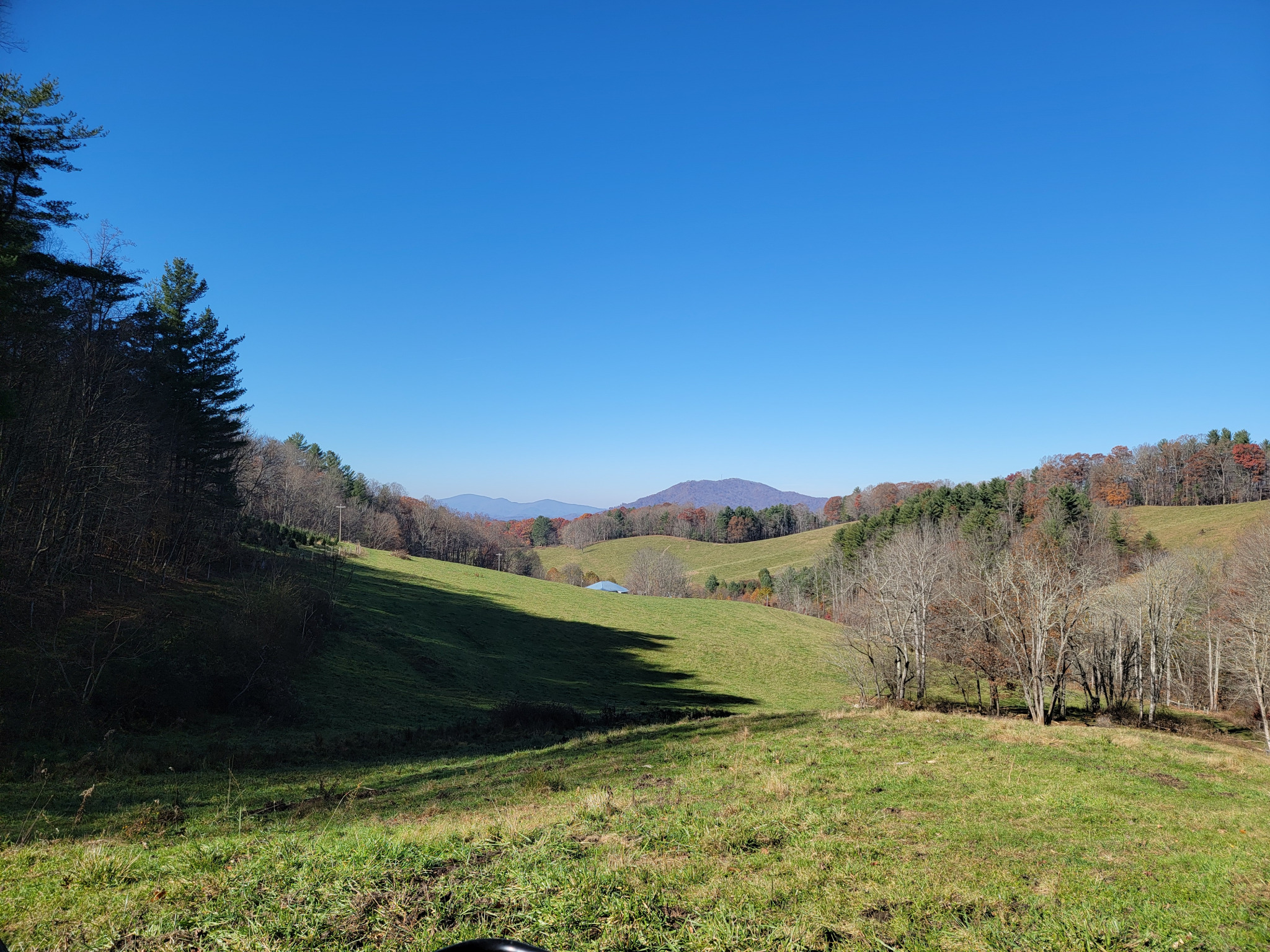
A section of White Oak Creek flows through the middle of the farm, and the Wilsons have implemented fencing cattle out of the stream, using water tanks in pastures with rotational grazing, and other management practices to protect and improve water quality.
“In addition to protecting prime and important soils, an easement on this farm is part of a larger effort to increase farmland protection in Mitchell County through a partnership with SAHC, Mitchell Soil and Water Conservation District, and the Blue Ridge Forever Coalition,” adds Jess. “As part of the Blue Ridge Forever Regional Conservation Partnership Program, the Wilson Farm property’s soil and clean water resources contribute to a landscape scale effort that protects over 1,000 acres of important soils and provides clean drinking water to millions throughout the Southeast. The Wilson Farm is located just two miles from Sinkhole Creek Farm, (SAHC conservation easement completed in 2020). It’s also in the vicinity of SAHC’s farmland conservation easements on the Byrd Charolais Farm and Harrell Hill Farms, Inc., as well as other protected land in the Highlands of Roan.”
The Wilson Farm is located in a beautiful, quiet cove just southeast of Bakersville, adjoining SAHC’s South Yellow Mountain Preserve. Protecting the land helps preserve water quality, scenic beauty, wildlife habitat, and productive farmland with important agricultural soils. The farm has been used for a dairy operation, Christmas tree cultivation, and raising heritage breed Charolais cattle.
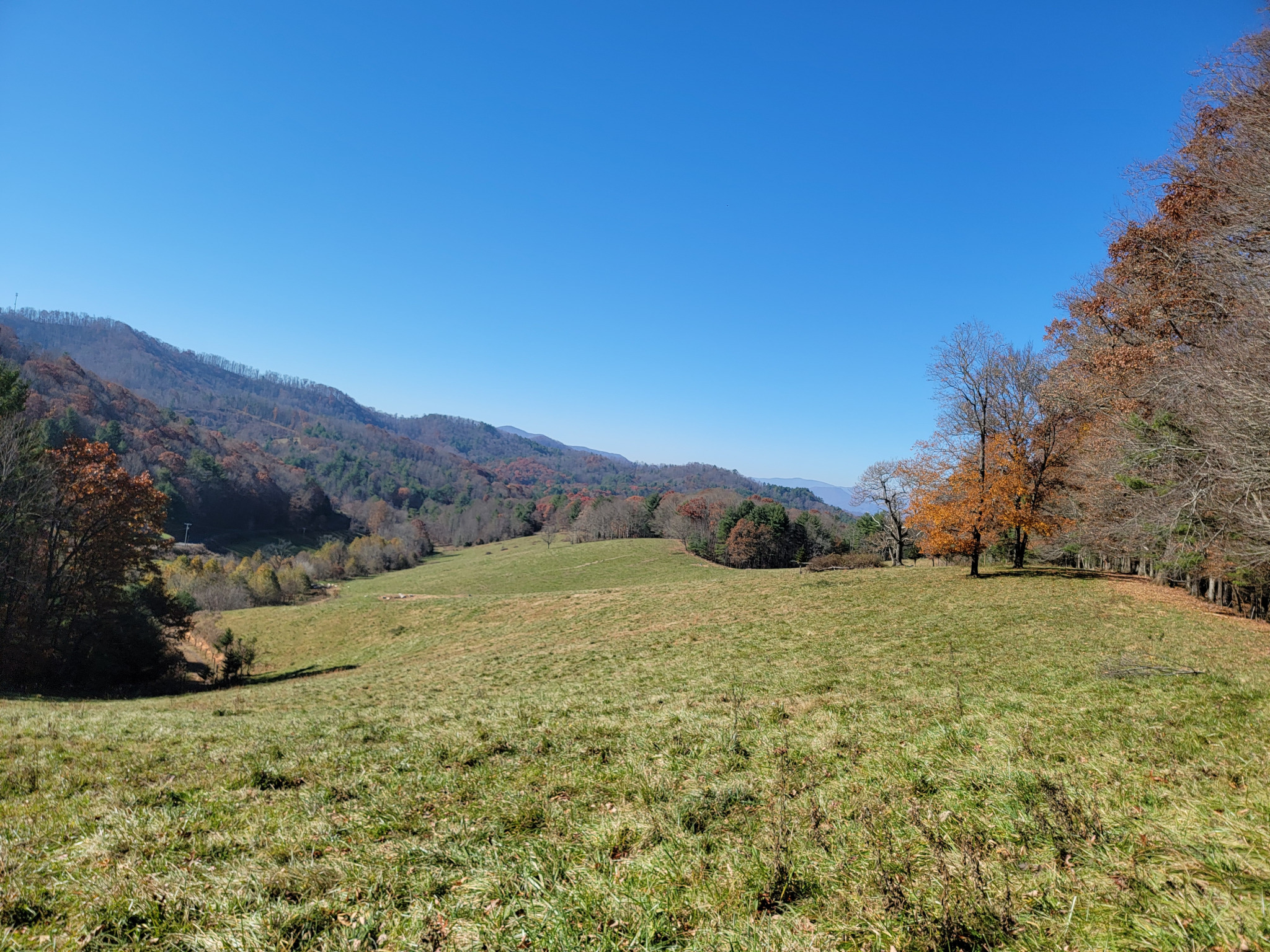
“I am happy for Steve, Cynthia, and the Wilson family to have the opportunity to preserve such a beautiful property,” says Mark Byrd, District Director/Technician of Mitchell County Soil & Water Conservation Service. “I have worked with, and observed Steve and Cynthia’s dedication to their land for the past 20 plus years. The farm was transitioned from the last dairy farm in Mitchell County to a productive Christmas tree farm and is now a beautiful beef cattle farm. Steve and Cynthia have worked diligently to achieve this task. WNC is a beautiful, peaceful place to live, and having farms like the Wilsons’ farm in Mitchell County preserved is instrumental in holding on to the history and natural beauty of the area.”
Names of geographic features in the surrounding landscape echo the family’s long and persistent connection to the land: the farm is situated at the end of Wilson Dairy Road, with Wilson Knob just to the south. Steve’s father purchased the recently conserved tract of land in the late 1960s, expanding his dairy operation from neighboring land that had been in the Wilson family for generations.
Permanent conservation of this farmland was made possible by a grant from the U.S. Dept. of Agriculture Natural Resources Conservation Service (USDA NRCS) Agricultural Conservation Easement Program (ACEP), generous conservation supporters, and donation of a substantial part of the conservation easement value from the landowners.
A Family Farm to Grow On
“My dad started the dairy business on a neighboring property that had been in the family for a long time,” recalls farmer and landowner Steve Wilson. “He bought this place in 1968 when I was just nine years old. At first, it was like a playground to me, and then as I grew older and began to work with cattle, it was a training ground. Over the years, it has also been a retreat and a place of respite. This farm is like a paradise.”
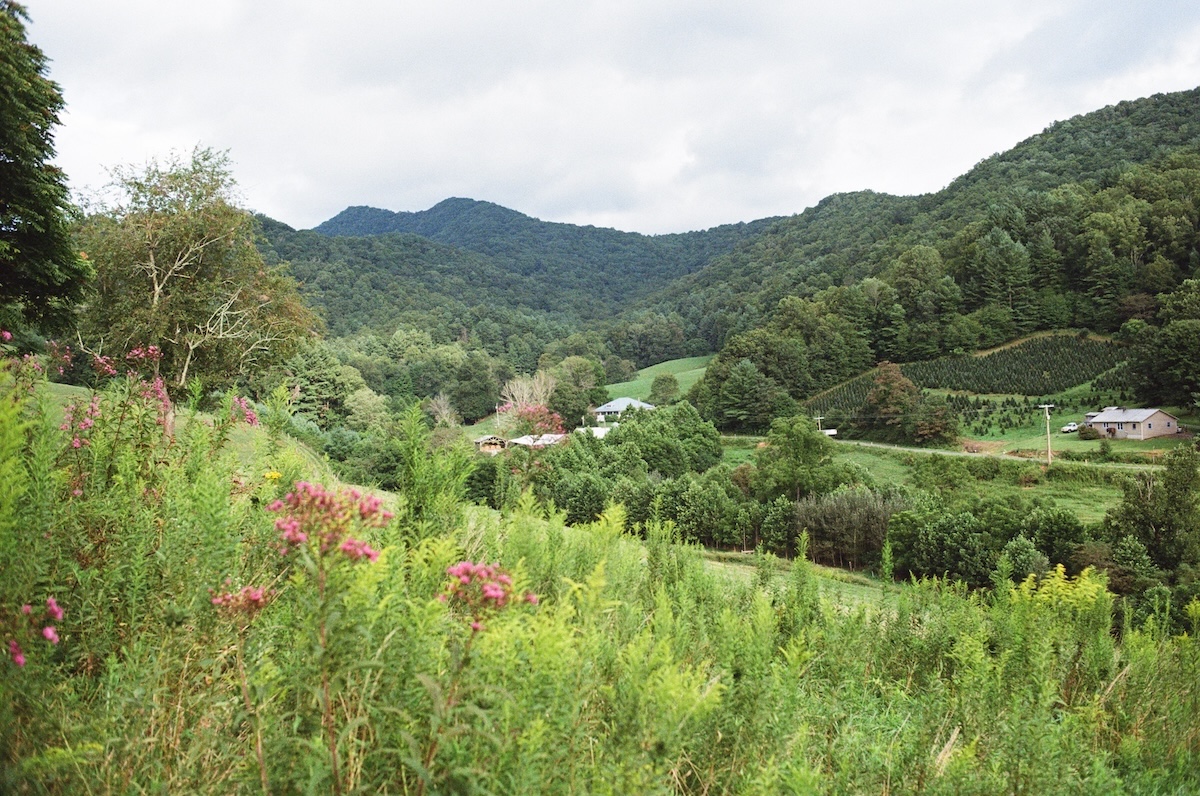
Steve worked alongside and then succeeded his father in the family’s Grade A dairy operation, running it on his own for about 15 years until the dairy was disbursed in 1996.
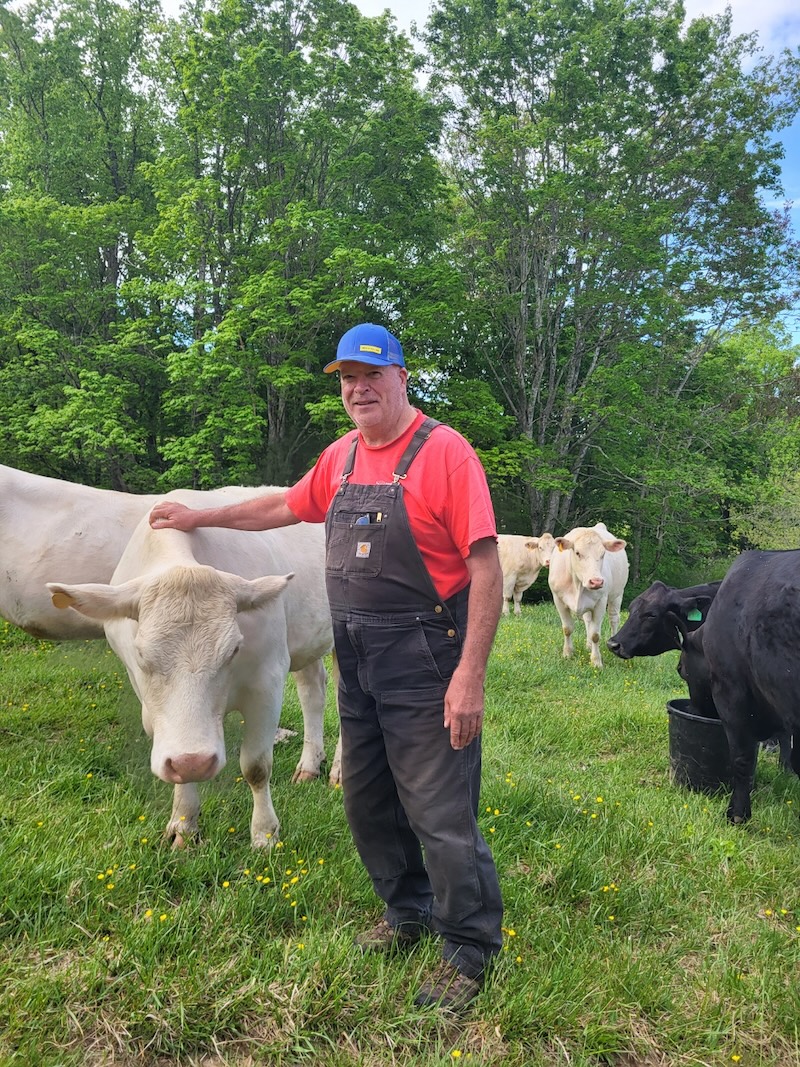
With Steve and Cynthia both employed off the farm for many years, they allowed other farmers to use the land for cattle and Christmas trees. The couple continued living and raising their children at the Wilson Farm, and Steve credits his brothers and sister with helping make it possible for their family to do so. Before he retired, Steve began rebuilding a cattle herd. For the last approximately 15 years, he has focused on rearing a herd of heritage breed Charolais beef cattle and selling high quality breeding stock. He enjoys the return to the familiar, working cattle like he did years ago.
“It’s what gets me out of the recliner,” laughs Steve. “It’s good for me and keeps me going – but it’s more than just a hobby farm. I take pride in being able to breed a better line of cattle. To be here and care for the place, to not see it divided or grown up as has happened to a lot of small farms when the children moved away… that is a gift.”
Cynthia continues to work the land with Steve. She grew up on a farm in Buladean, NC, and is just as adept at helping to pull a calf [assist with birth] as growing beautiful cut flowers and vegetables from heritage seeds passed down through her family. Cynthia attended high school during the time period when Western North Carolina school bus drivers were recruited from among the student class; she recalls putting chains on the big bus tires in winter to complete her route, picking up fellow students and then joining them in class. The leadership of Appalachian women resonates within the Wilson family. With both parents brought up in mountain homestead traditions, farming is just “something that is very much part of what they do and who they are.”

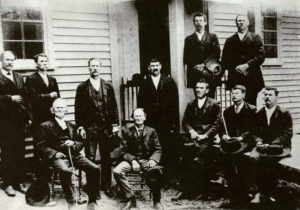
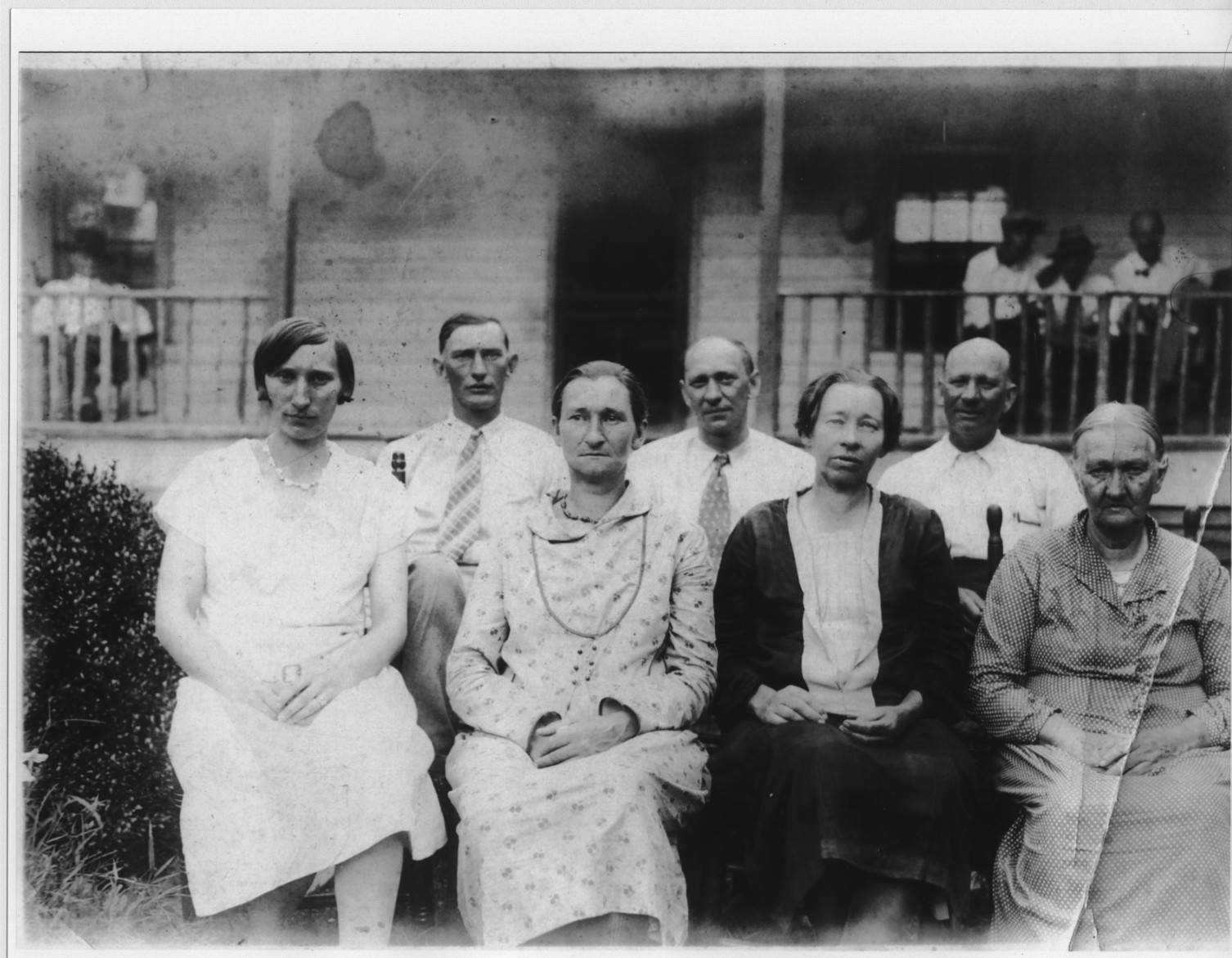
The family traces their connection in Mitchell County to William James Wilson, Steve’s great-great-great grandfather, who was born in Stafford, VA in 1775. William Wilson moved down into the Piedmont region of NC before obtaining a land grant for 150 acres in what was then Burke County [now part of Mitchell County] in 1810-11. That land in the White Oak Community – on White Oak Creek and Snow Creek – is situated between the Wilsons’ recently conserved farm and Bakersville. A chimney from the William Wilson homeplace still stands up White Oak Road, about five minutes away from the Wilson Farm.
William’s son Philip had ten sons, and Steve’s great-grandfather Isaac Newton “Newt” Wilson was the youngest of the ten brothers. His line of the family began trading in livestock.
Cynthia’s roots include the Tipton, Whitson, and Garland families who hailed from the Green Mountain area and the northern end of Mitchell County near Red Hill and Buladean.
“We appreciate the opportunity to partner with SAHC to preserve our farm into the future,” says Cynthia. “I have raised a garden on this farm, which my Granny Clyde taught me to do. She showed me how to grow corn, tomatoes, dahlias, and her greasy-cornfield beans among other things. I kept her bean seed and have grown it in my own garden. I raised my five children on these beans, and today, I am so blessed and grateful to share them with my four grandchildren. They request them by the quart and eat them directly from the jar! They love them.”
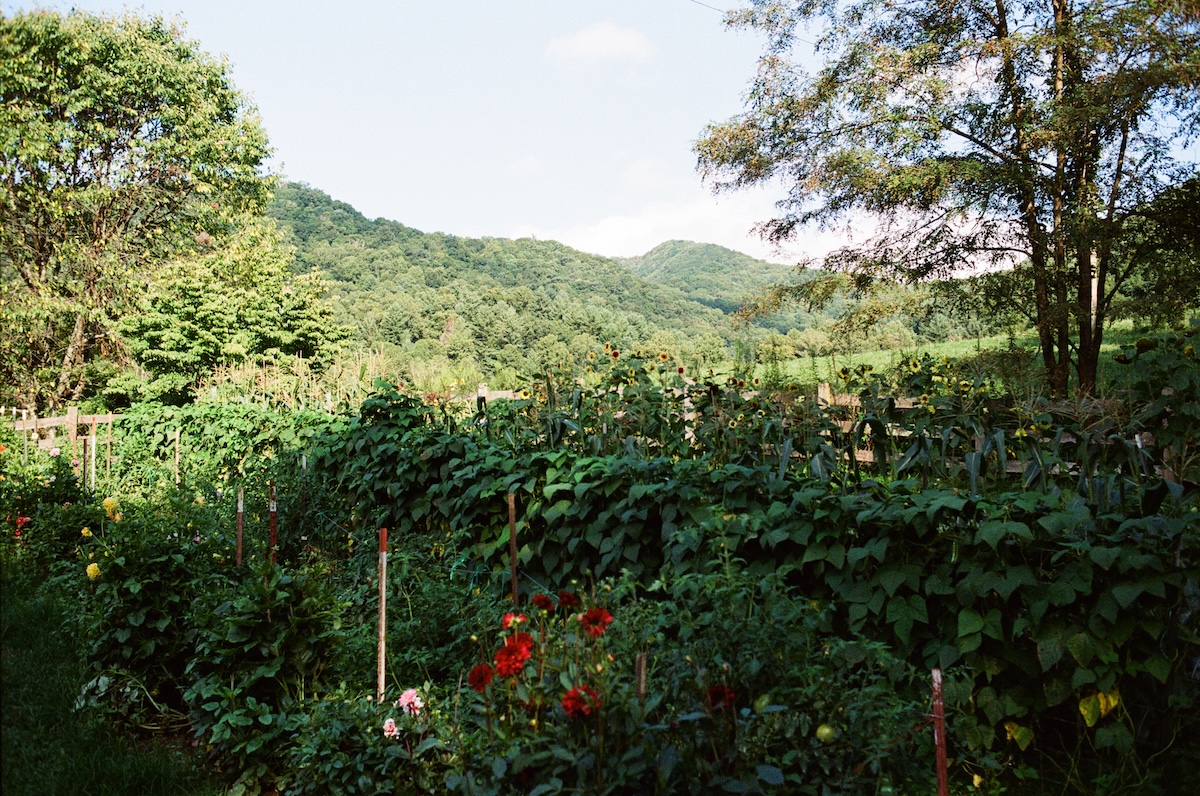
The family notes that their approach to running, caring for, and conserving the farm is egalitarian. They’ve come at it together as a family, fortunate to have ancestral ties to the mountains on both sides and to understand land stewardship as a family.
“From the beginning, I knew I wanted to stay on this land,” says Steve. “We’ve raised our family here, and our children have had some unique opportunities, growing up on a farm. Doing the conservation easement makes it possible to keep the land in farming, whether or not they choose to operate it. We’re happy to be associated with SAHC and to make that possible. We learned that SAHC has its roots in the Roan Mountain area, too, and we’re glad to be a part of that.”
Now adults with successful careers in widespread fields (physician, writer, soil scientist, surgeon, and teacher), the Wilson children view the experience of growing up on the farm as a privilege that provided them a connection to nature while teaching understanding and appreciation for the work that goes into caring for the land, animals, and food crops. They enjoyed growing up with the benefit of fresh produce from a robust home garden. Watching both of their parents work with a sense of genuine intention, care, and awareness helped instill a strong work ethic.
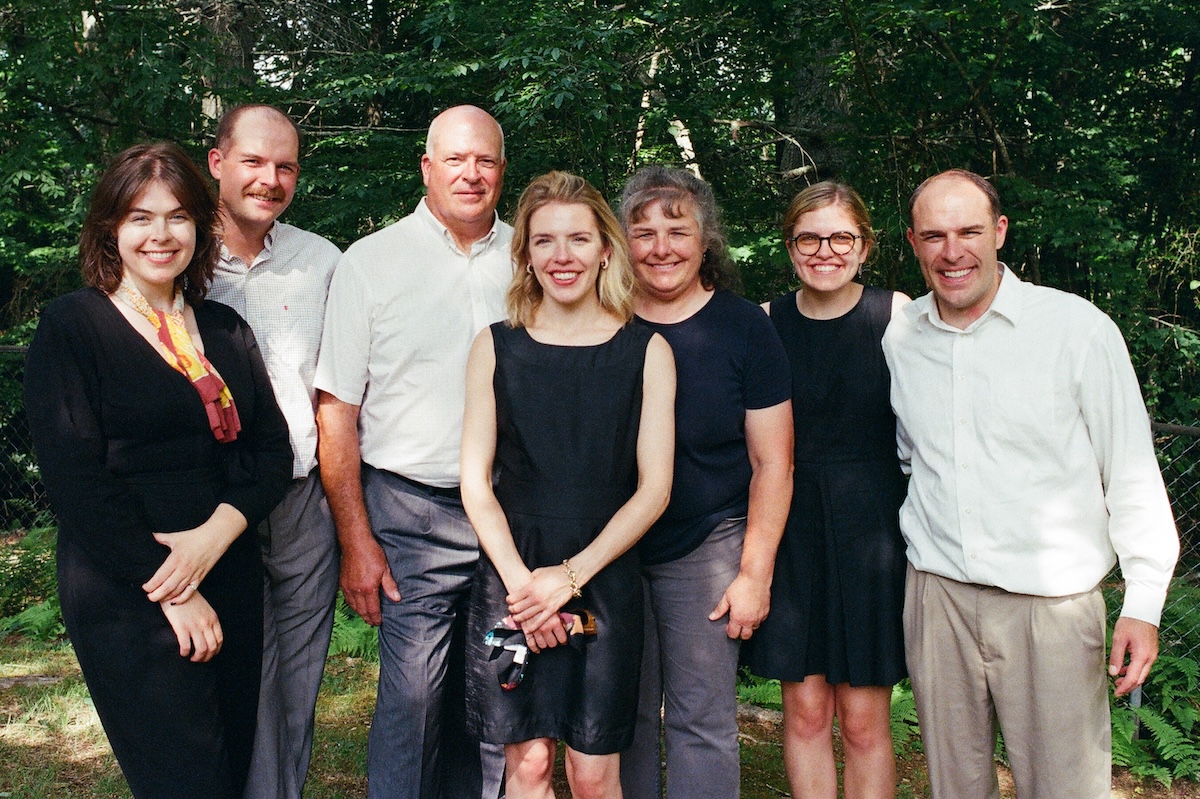
“We are excited and grateful to partner with the Southern Appalachian Highlands Conservancy to help ensure the long-term protection of our family’s beloved farmland,” say Steve and Cynthia’s five children: Kyle, Lauren, Amelia, Reuben, and Alora. “Following in our ancestors’ footsteps, we are committed to this land and look forward to preserving its inherent value and priceless legacy in partnership with SAHC.”
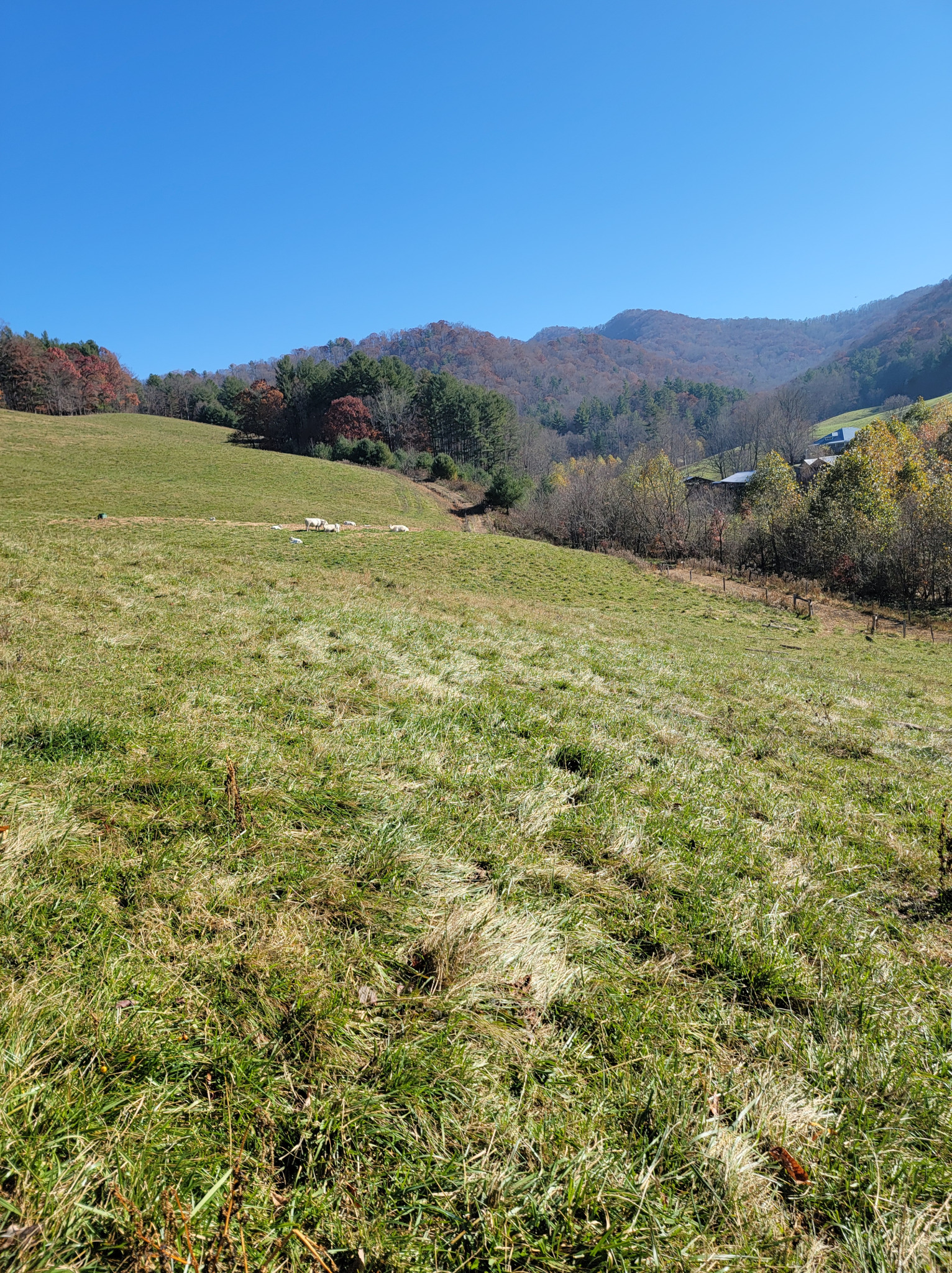
“This is such a wonderful, quiet place,” adds Steve. “I just love everything about this farm – from the sunny hillsides to the streams. Water is a special part of this place.”
Steve also notes that their prior efforts to implement best management practices for water quality helped to save their stream banks and fencing during the recent storm. The property contains multiple ephemeral streams and two perennial headwaters that merge to form White Oak Creek, a tributary of Cane Creek in the North Toe and Nolichucky River watershed.
“At the end of the day, the cows are still there – that’s the baseline,” recalls Steve, reminiscing about the experience of growing up working in the family’s dairy. “The cows had to be milked and fed whether there’s a ball game or something else going on. Dad’s approach to work taught me to love it. He wasn’t hard on us, but there were certain expectations. ‘The cows are going to be there’… there’s a kind of comfort in that certainty.”
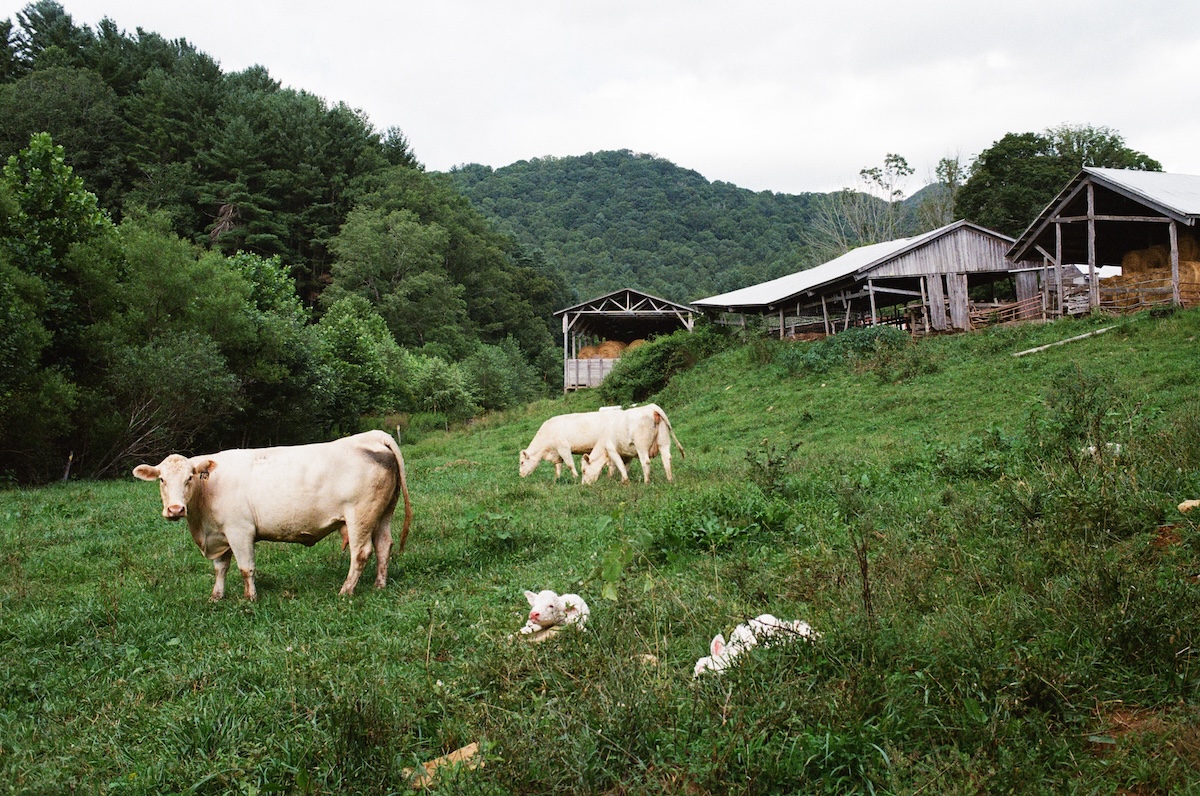
Likewise, their children grew up with a sincere appreciation for life. The stakes on a farm are life and death, they note – something deeply real, which makes you feel connected to something bigger. The family looks forward to finding ways to keep the farm a vibrant, welcoming and productive landscape. The Wilson Farm is very much a place for the present and future, strongly rooted but not stuck in the past.