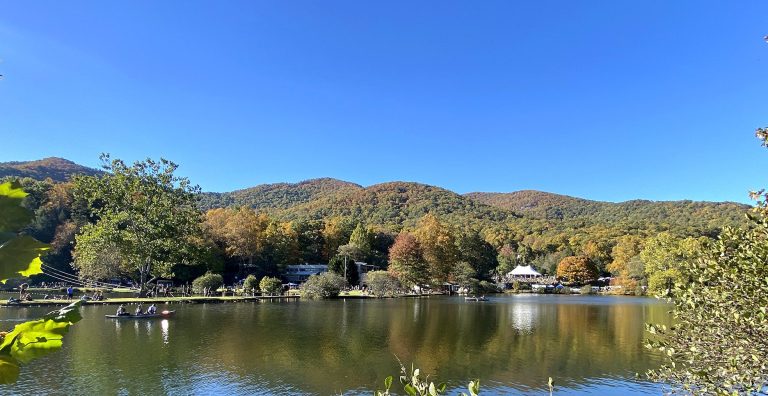
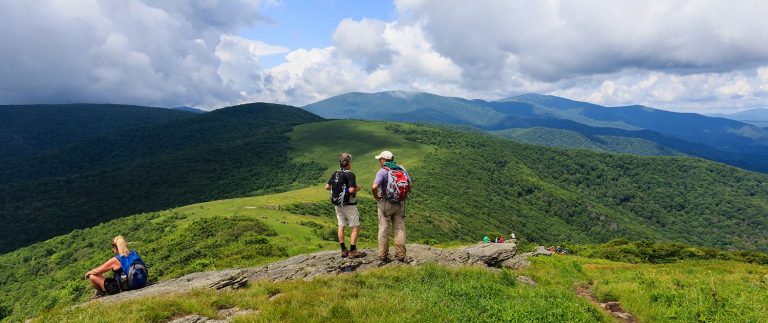
In the wake of Hurricane Helene, the Southern Appalachian Highlands Conservancy has been hard at work restoring the land at Bowditch Bottoms Preserve, a treasured 87-acre property in Yancey County, NC. Nestled within the Nolichucky River Watershed and framed by scenic views of Celo Knob and the Roan Massif, Bowditch Bottoms is a conservation gem and a symbol of community resilience.
In 2020, Southern Appalachian Highlands Conservancy worked with the former landowners to place a conservation easement on the property, ensuring its long-term protection. Three years later, the land was donated to SAHC to own, and the easement was transferred to conservation partners at Blue Ridge Conservancy (because a land trust cannot simultaneously own a piece of land and hold a conservation easement on it).
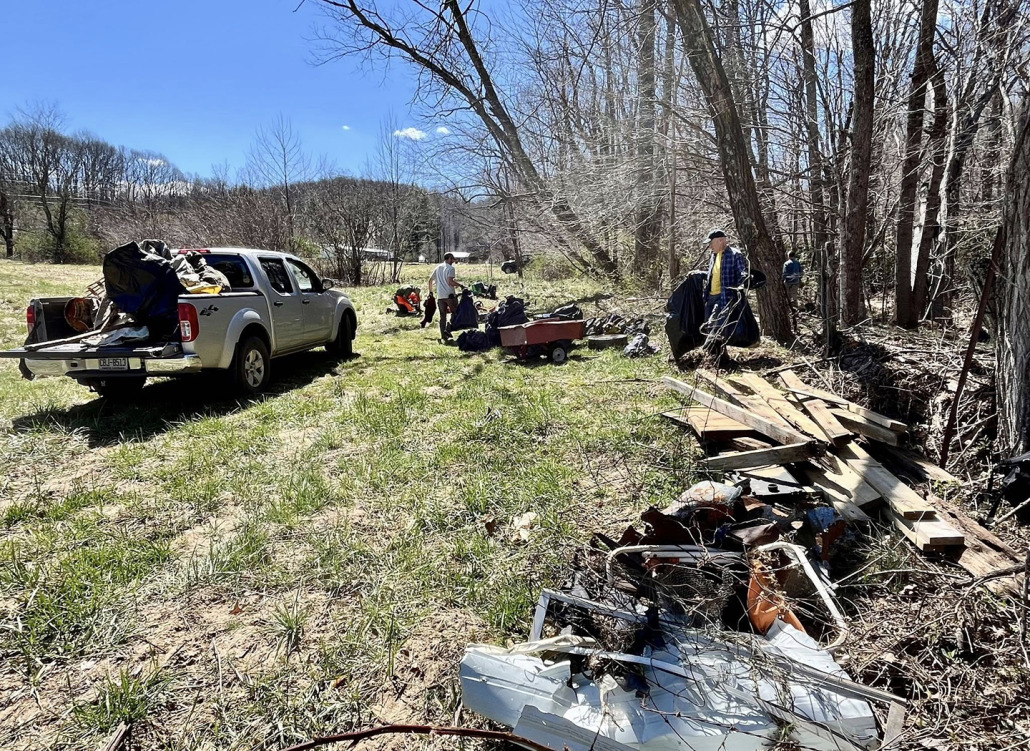
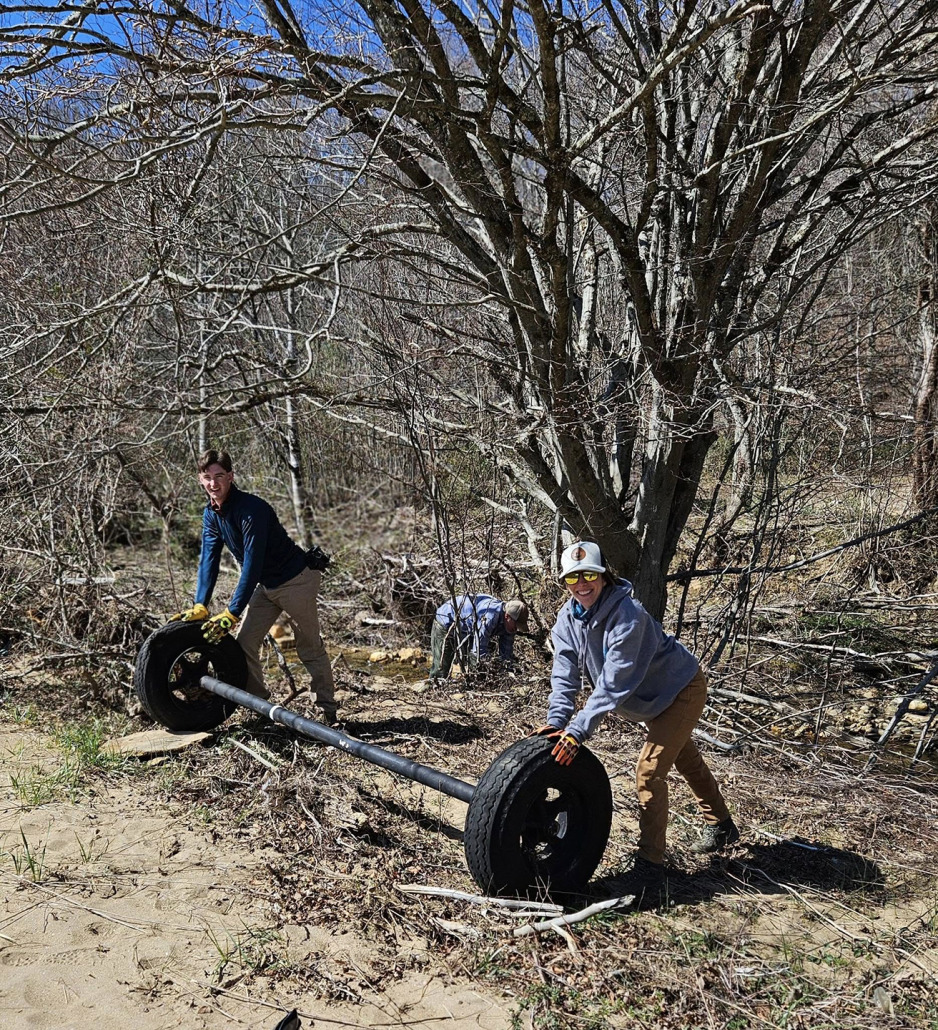
Ayles Creek runs through the conserved land, which is rich in fertile farm soils and mixed hardwood forests. The land and creek were severely impacted by Hurricane Helene. Stormwater saturated the fields, altered the course of the stream channel, and scattered copious amounts of trash and debris across the property.
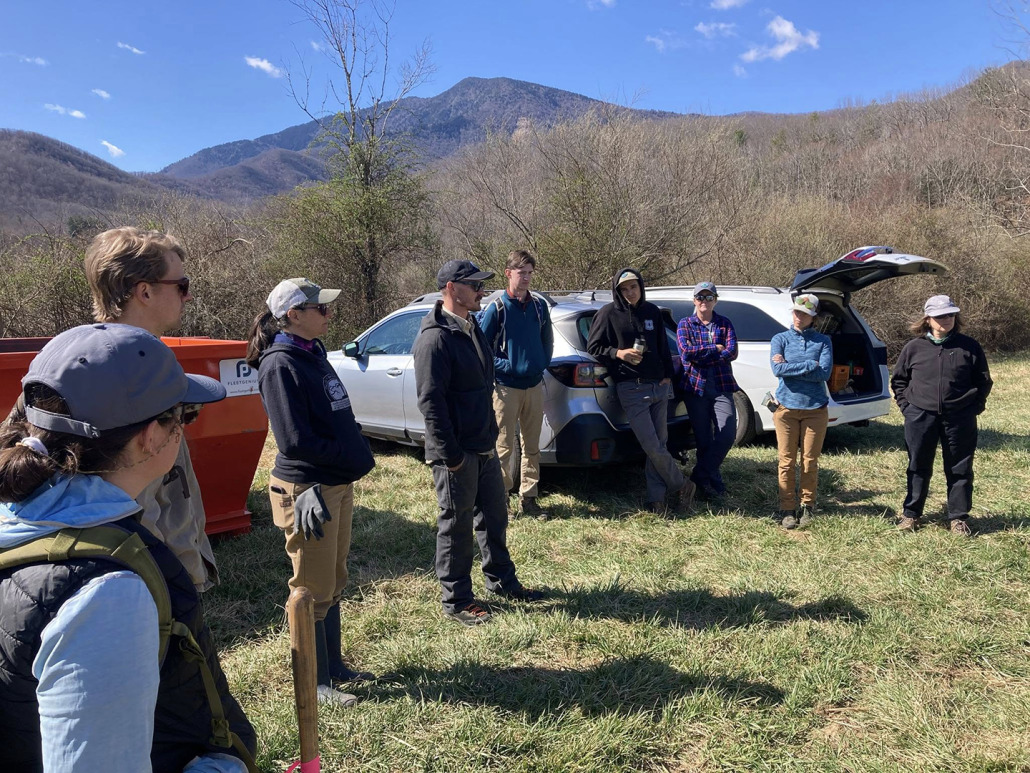
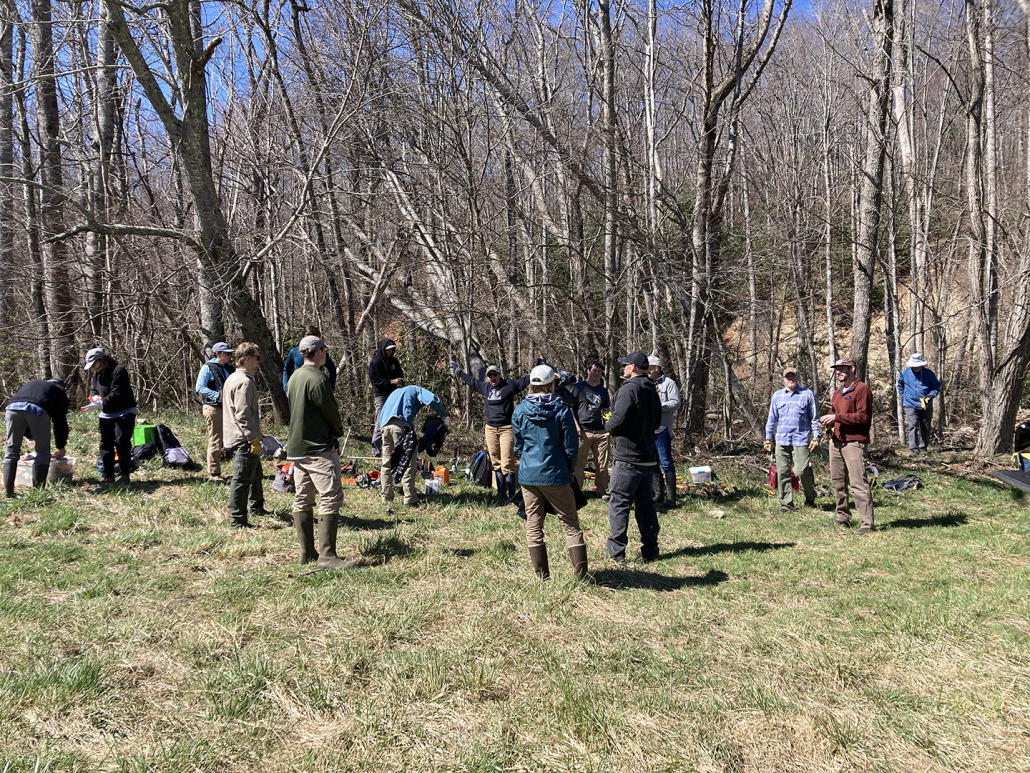
SAHC invited conservation professionals attending the Land Trust Alliance’s 2025 Southeast Regional Land Conservation Conference to participate in hands-on recovery efforts in late March. Volunteers from across the Southeast spent a day removing an entire dumpster’s worth of storm debris from the preserve.
For Asheville native Kenneth Lingerfelt, the day was deeply personal.
“Hurricane Helene left scars on both the land and the people who depend on, steward, and enjoy it,” he said. “It was an honor to work alongside such dedicated conservationists and emotionally process this moment in such good company.”
Renne Sniegocki, a land steward and former National Park Service worker, also volunteered during the workday.
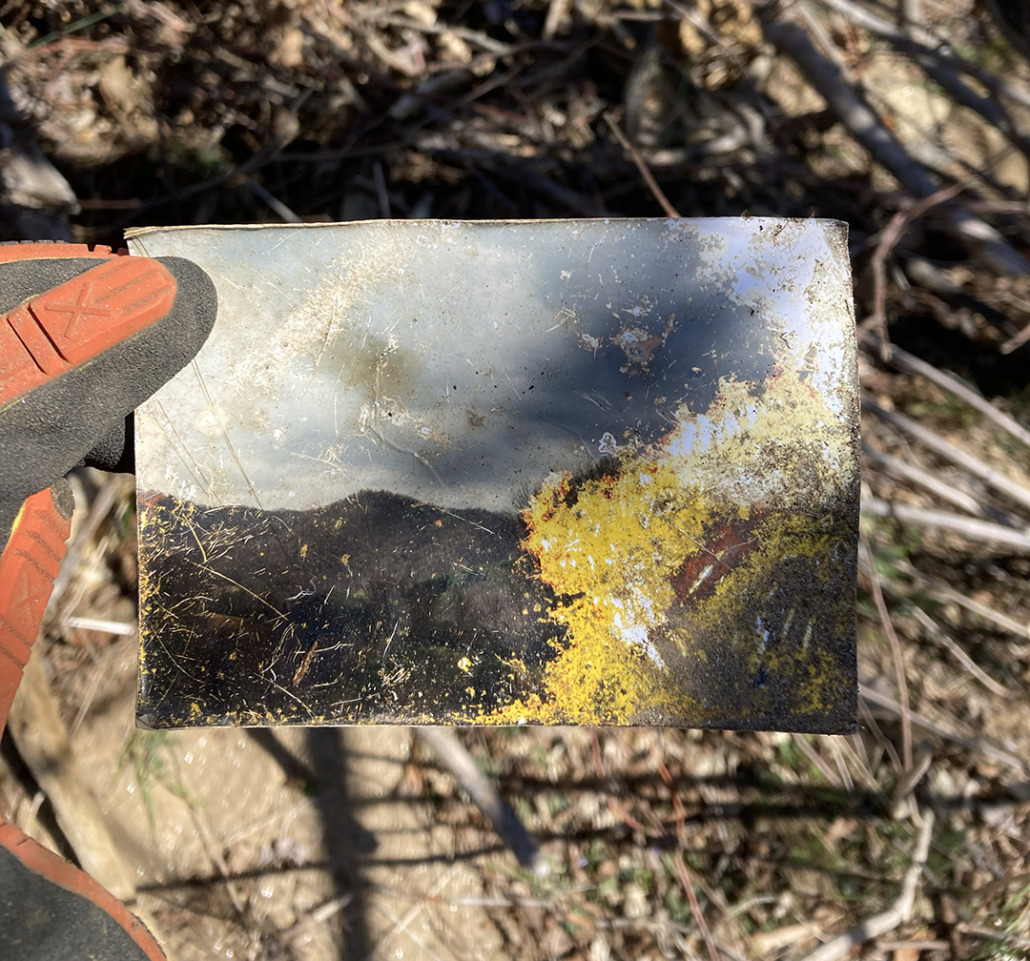
“You don’t really understand the impact until you’re standing there, pulling personal items like family photos and Christmas decorations out of the dirt,” Renee shared. “Seeing the ecological damage up close – learning about species like trout and hellbenders that are affected – it really underscores how crucial land stewardship is.”
She emphasized the weight of responsibility that comes with managing protected land. “On a good day, stewardship is hard. After a natural disaster, it’s monumental. But it matters. The land can’t always heal itself.”
SAHC Stewardship and GIS Manager Chris Kaase reflected on how the day held both personal and professional significance.
“It meant a lot to have people coming from all over the Southeastern U.S. for a conservation conference here – after all we had been through – and to have so many people want to contribute to the storm recovery,” Chris said. “That day really demonstrated the special place this landscape holds for so many folks.”
Chris spent days at Bowditch Bottoms in the immediate aftermath of Hurricane Helene, often alone, navigating fields scattered with remnants of structures, clothing, albums, and more swept downstream from nearby homes.
“Even though I lived through the storm, I had many heartbreaking moments out there by myself,” he reflected. “So to see others encountering the same pieces of people’s lives, and recognizing the impact – it was meaningful. Meaningful for the local community, and important for people from outside to feel connected to this landscape’s story, too.”
As cleanup and invasive species removal efforts continue across the region, Bowditch Bottoms stands as an example of how partnerships, volunteers, and conservation values come together to care for the land we all depend on. SAHC remains committed to both ecological restoration and creating spaces for community connection.

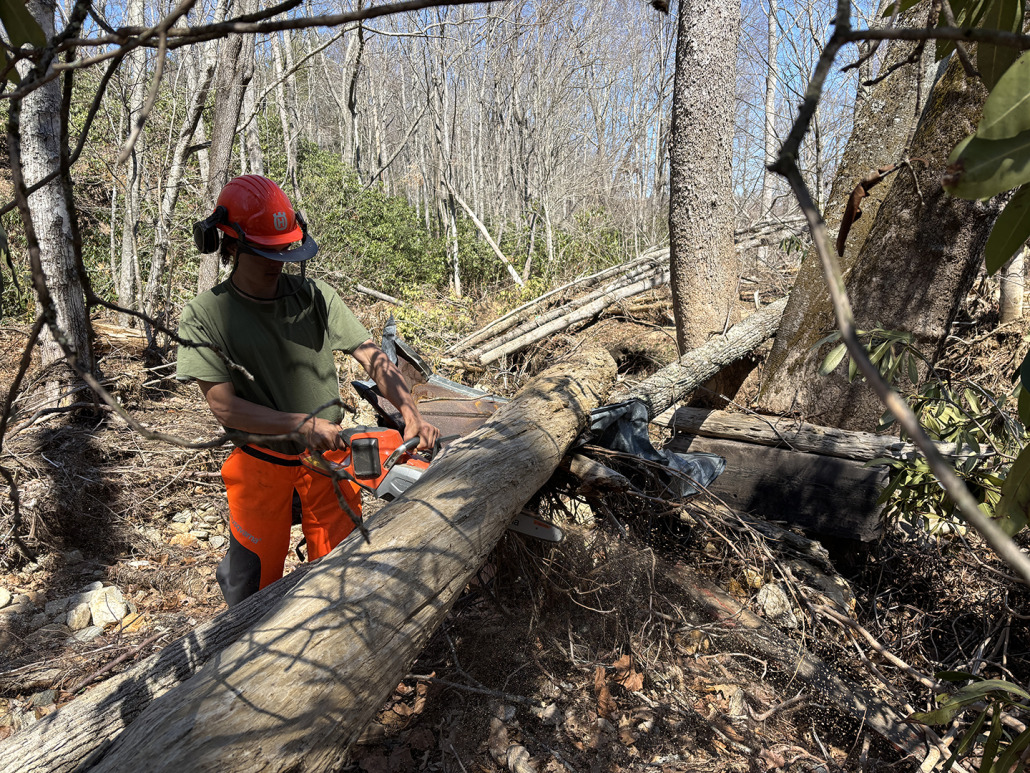
SAHC extends special thanks to The Community Foundation of Western North Carolina for providing grant support for recovery efforts, particularly for the personal protective equipment for volunteers and staff conducting recovery work and for new chain saws used in removing downed trees pinning debris to the land and blocking access.
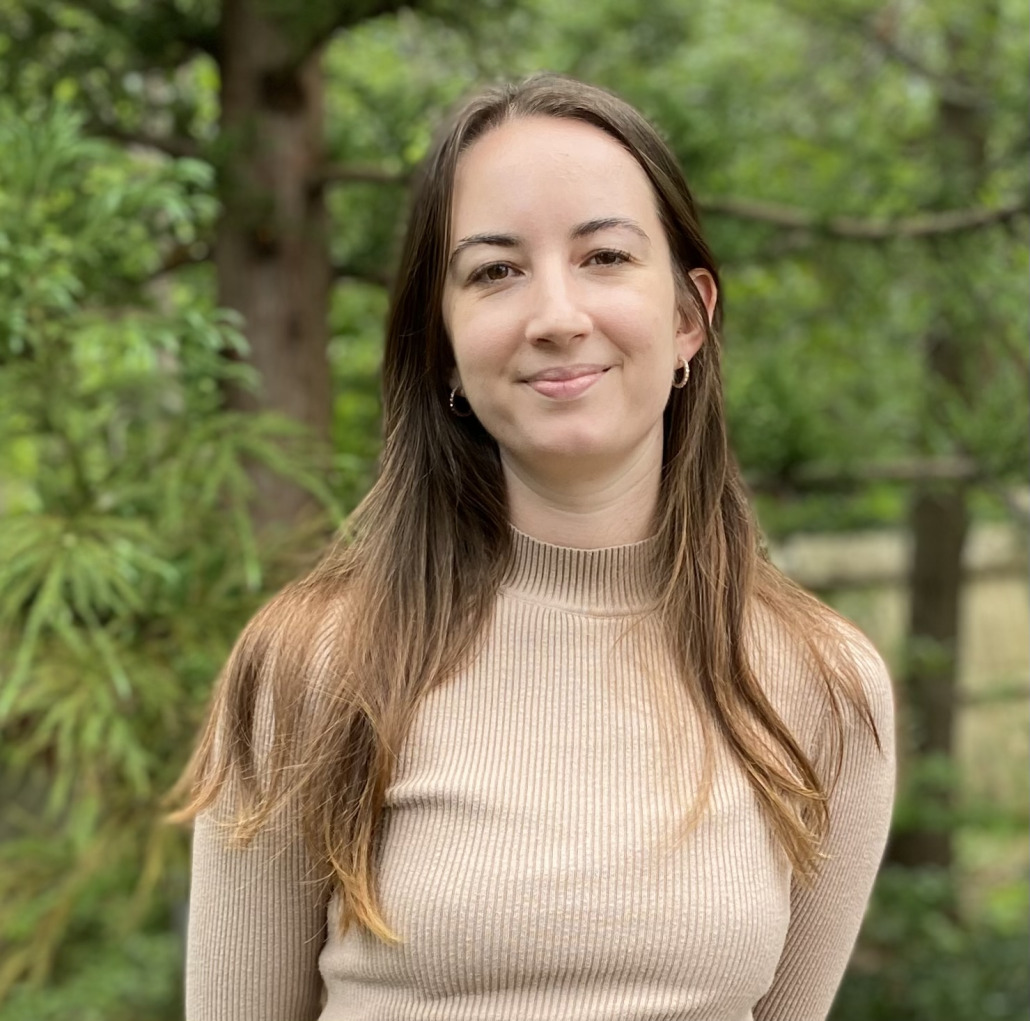
Personal Perspective: Intern Gressa Cedergren
Less than 10 minutes north of Bowditch Bottoms, the Celo Community stands as one of the oldest non-religious intentional communities in the United States. Founded in 1937 by Arthur Morgan, a flood engineer, former president of Ohio’s Antioch College, and a converted Quaker, Celo was envisioned as a refuge for people recovering from the economic upheaval of the Great Depression, a place to share resources, rebuild lives, and live cooperatively. It was grounded in the belief that resilience could be cultivated through shared land, consensus-based governance, and community stewardship.
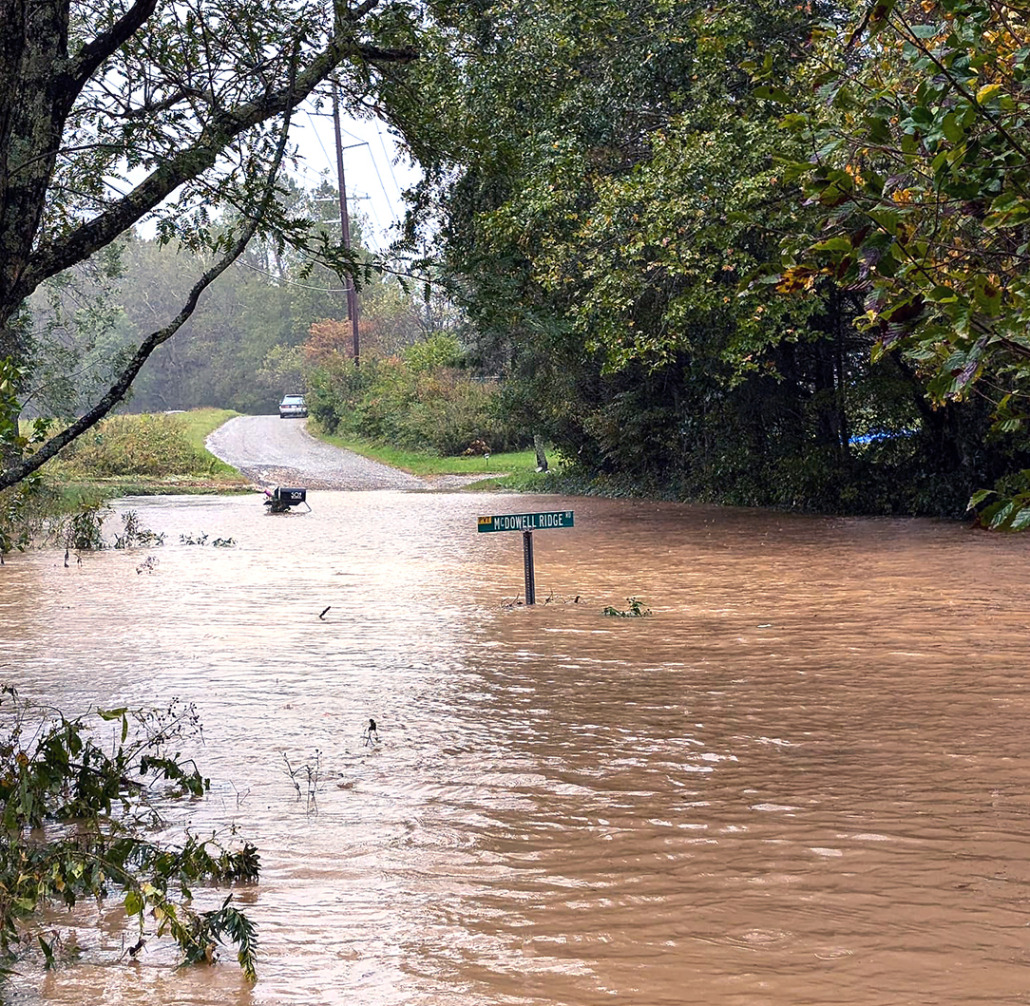
This vision was put to the test on September 27, 2024. Within hours, Hurricane Helene had transformed the South Toe River, washing away a 50-year-old food co-op and art gallery, extensively damaging the cherished Celo Inn, and washing out the bridge, leaving residents stranded.
Among them were my parents, now in their 60s, who joined Celo in 2009. They built their home with the help of neighbors and raised me and my siblings in a place where showing up for each other was just a part of everyday life.
Though I was in North Asheville when the hurricane hit and couldn’t reach my parents for days, I felt assured knowing that if they had to face a disaster anywhere, Celo was the place to be.
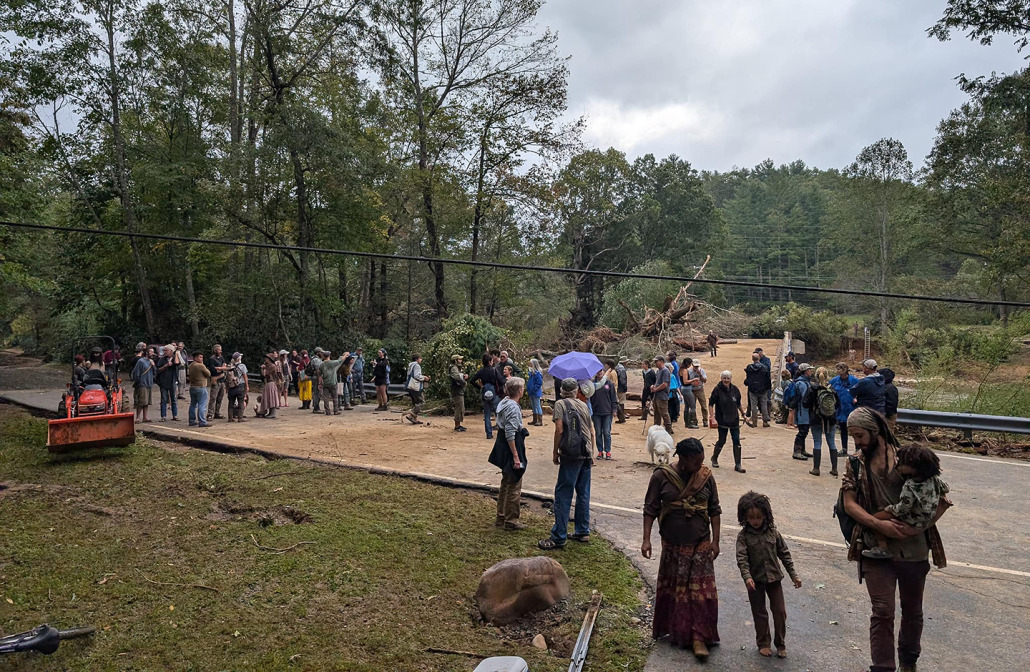
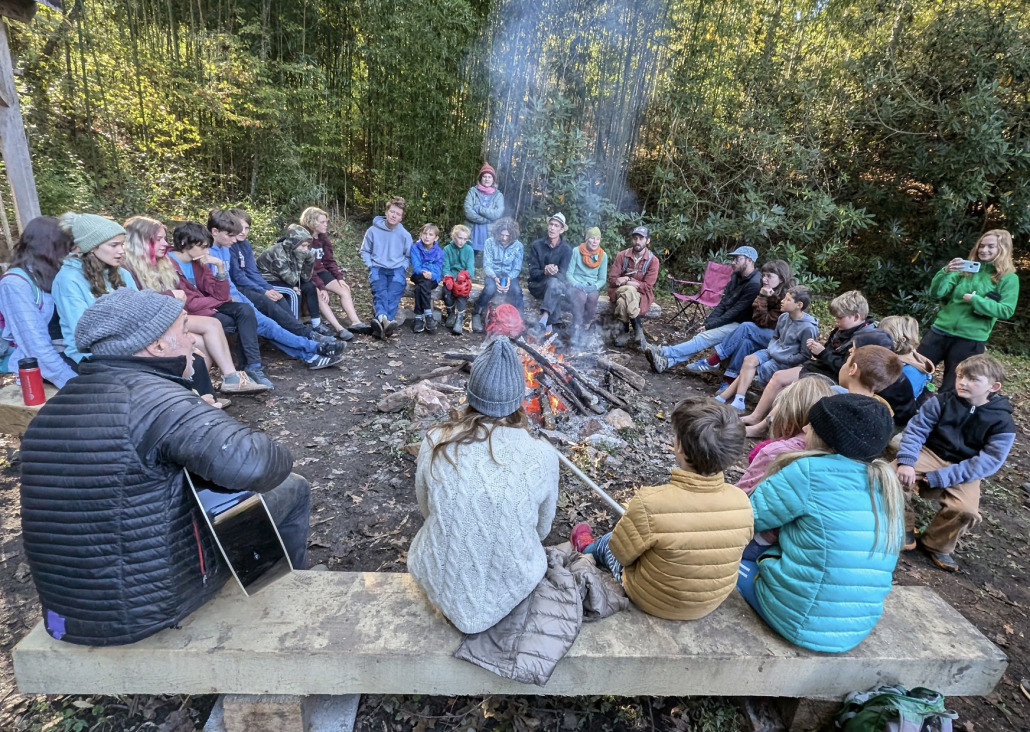
By the afternoon of the 27th, residents had already held a community-wide meeting and accounted for nearly every household. They had organized into teams, some clearing with chainsaws and tractors, others checking on neighbors.
When I finally spoke with my mom on the phone, she described to me her new post-Helene routine: oats cooked over the fire, a bike ride with my dad to the daily community meeting, then onto the assigned task of the day — clearing debris, preparing food, repairing damage.
Their days were marked by community mealtimes and recovery work, and in the evenings, my parents appreciated the social media reset, playing cards and reading by solar lights.
Within days, the Celo Community Center had become a central hub, posting daily Helene updates, organizing donations, and drawing more than 100 residents from the greater Celo area.

A week after the storm, a helicopter full of supplies landed on the community’s soccer field — the same field where I scored my first goal and spent many summer nights lying on blankets with friends, counting shooting stars.
Watching the community’s response to Helene, it hit me how Arthur Morgan’s vision had prepared Celo residents for this moment nearly a century ago, and how his vision remains a blueprint for how communities can face crises together. A few weeks after the hurricane, Sierra Magazine posed the question: could intentional communities like Celo offer a model for new climate harbors? From where I stand, they already do.
Celo community photos provided by Tal Galton and Drew Perrin.

Want to Get Involved?
SAHC is grateful for all the volunteers who have assisted with restoration and recovery efforts. We are partnering with the North Carolina Wildlife Federation on continued volunteer workdays to help remove invasive plant species and restore this ecologically significant landscape.
Upcoming Volunteer Work Days:
Friday, June 20 at Bowditch Bottoms to remove autumn olive (Elaeagnus umbellata), an aggressive invasive plant species. More info and sign up HERE >>
Friday, July 25 at Bowditch Bottoms. More info and sign up HERE >>