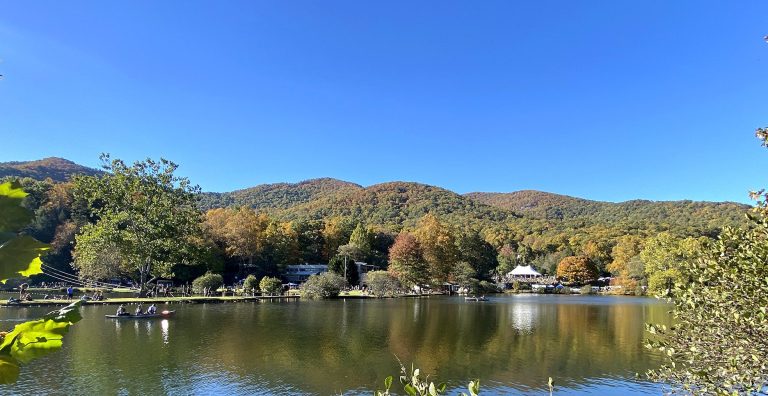
Banks Creek

When Diane Kent purchased land on Banks Creek in Yancey County 25 years ago, she knew that she wanted to preserve it. Having already seen areas where she previously lived transformed by intensive development, she sought the solitude of the mountains and dreamed about permanently protecting the land for future generations. This year, she made that vision a reality. Diane donated a conservation easement protecting 135 acres along both sides of Banks Creek.
“I’d been inspired years ago by a call to action in Edward O. Wilson’s ‘The Future of Life,’ to take action by donating to causes that mean a lot to you,” shares Diane. “What means a lot to me is saving the land. My husband had a connection to the Penland School of Craft, and when we moved here and purchased land on Banks Creek, I knew I wanted to preserve it so it would never be developed. That was my project, saving the land.”

Ecological Importance
“My interest is not just protecting the land, but also protecting the biodiversity found here – including the birds and animals,” shares Diane. “I learned about the Southern Appalachian Highlands Conservancy and knew that SAHC would do a good job securing the long-term preservation of the land. Everyone at the organization has been excellent, and I trust that SAHC will keep the land protected. My favorite thing about the property is its peacefulness – it is quiet here, except for birds.”
Located in the Prices Creek township of Yancey County, the newly conserved property contains mixed forest and open land near multiple other SAHC-protected areas, including our Prices Creek/Bill Popper Memorial Preserve, as well as Mt. Mitchell State Park and Pisgah National Forest.
The land is visible from surrounding high elevation mountain peaks, including Austin Mountain, Roger Mountain, and Grassy Knob. Portions of the eastern area of the property fall within the Audubon designated Black and Great Craggy Mountains Important Bird Area. Streams on both sides of the property feed into Banks Creek, which is a tributary of the Cane River and designated as a NC Natural Heritage Program natural area. A total of 9,581 linear feet of stream flow across the tract. Historically, parts of the land have been used for farming, including open areas for pasture, cattle grazing and hay.
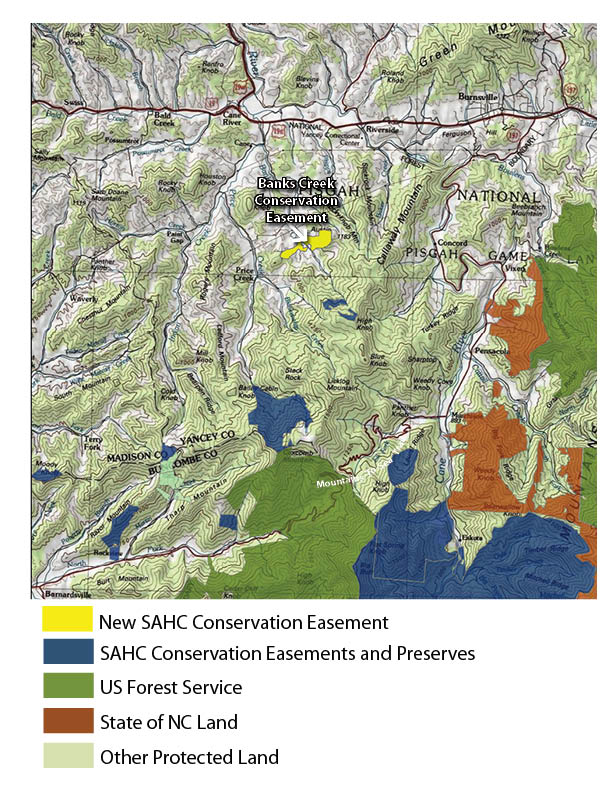

Conservation of this property not only contributes to the continued agricultural viability of the area, but it provides ongoing protection of water quality as well as aquatic and riparian habitat within the French Broad Watershed. Viewsheds from surrounding high elevation recreational areas are also preserved.
“We are incredibly grateful for the generous donation by Diane Kent of a conservation easement on these 135 acres,” says Land Protection Director Michelle Pugliese. “This land is multifaceted in its conservation values. The rolling hay fields are part of the valley’s rural scenic landscape. The pristine waters and native habitat highlight its natural resources. The property also contains cultural and historical features as the site of three homes of formerly enslaved people. It is an honor to be entrusted with preserving this land forever.”
Biological Inventory:
The North Carolina Native Plant Society awarded SAHC a $1,000 grant from the Alice Zawadzki Land Conservation Fund to fund a biological inventory of the property performed by Equinox Environmental.
The biological inventory includes notable habitats such as High Elevation Red Oak Forest, Montane Oak-Hickory Forest, and Rich Cove Forest. These forests provide habitat for rare species also documented by the inventory such as lampshade weaver (Hypochilus sheari), a spider endemic to a three-county area of NC (Buncombe, McDowell, Yancey) and designated as significantly rare by the NC Natural Heritage Program. Its presence on the property indicates good habitat integrity and a historic lack of disturbance onsite.
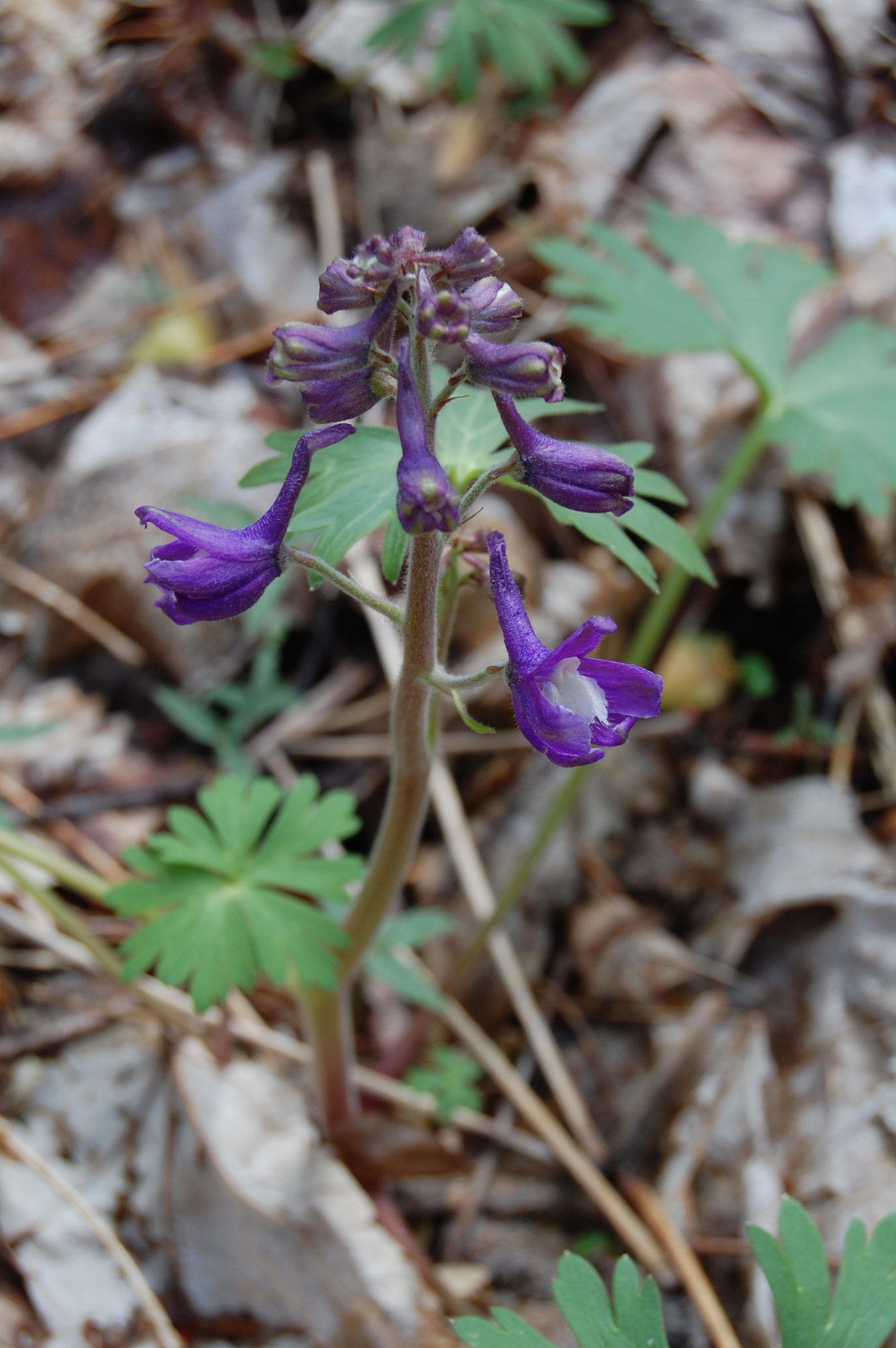
In keeping with the NC Native Plant Society’s mission, multiple rare plants were documented, including Autumn coral-root (Corallorhiza odontorhiza), a non-photosynthetic orchid with a symbiotic relationship with soil fungi, and Broadleaf coreopsis (Coreopsis major), a threatened aster native to the Blue Ridge Mountains.
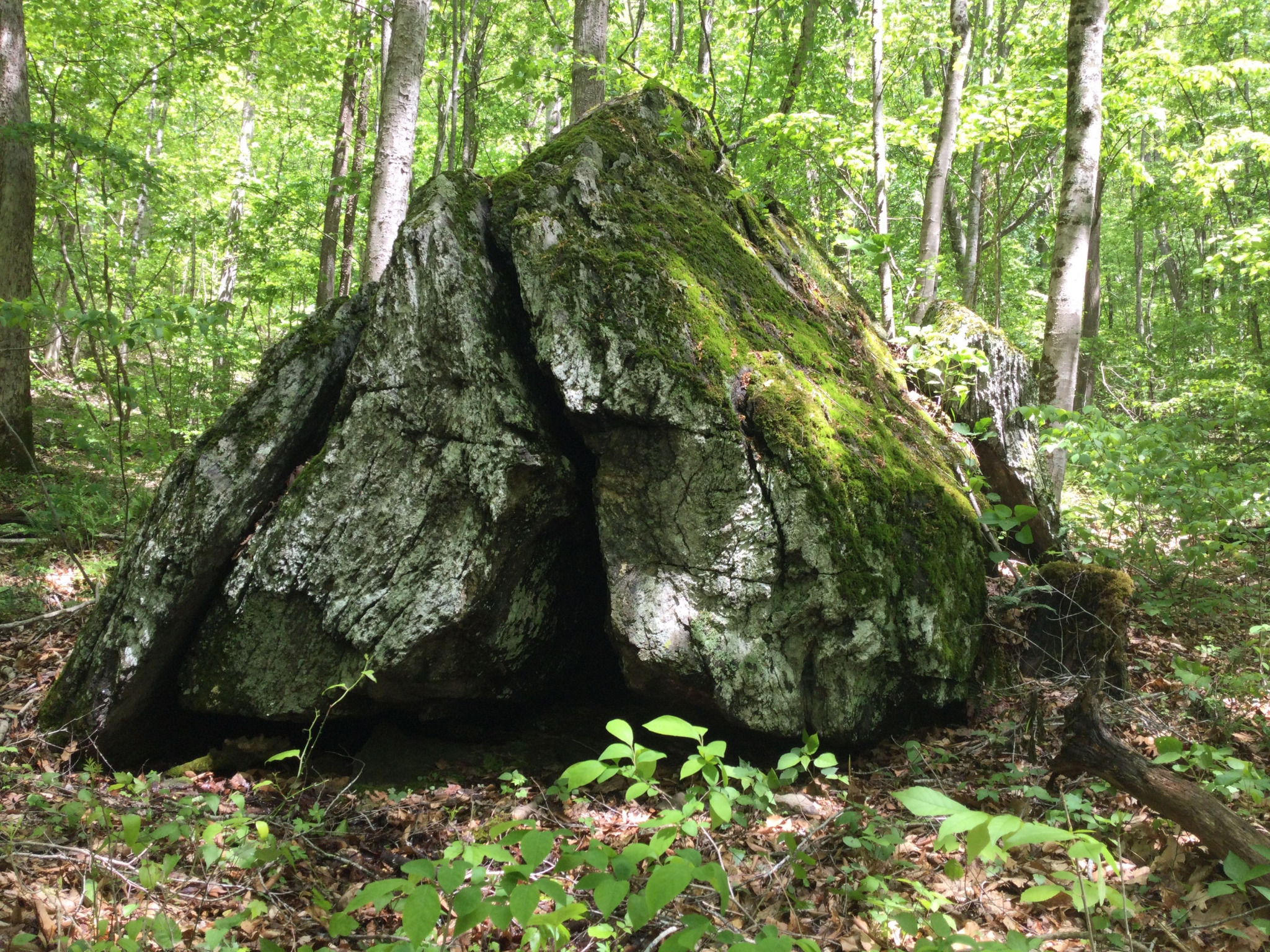
Banks Creek is a beautiful preserve with varied terrain, ranging from rolling pastures and rich forestland to rock outcroppings with seepages that provide excellent wildlife habitat. The conservation of this highly valued area will be a great boon to wildlife and highlights the collaboration between local landowners, SAHC, and partners such as the Native Plant Society whose contribution promotes greater knowledge of the area and furthering conservation of the landscape.
Tendrils of History
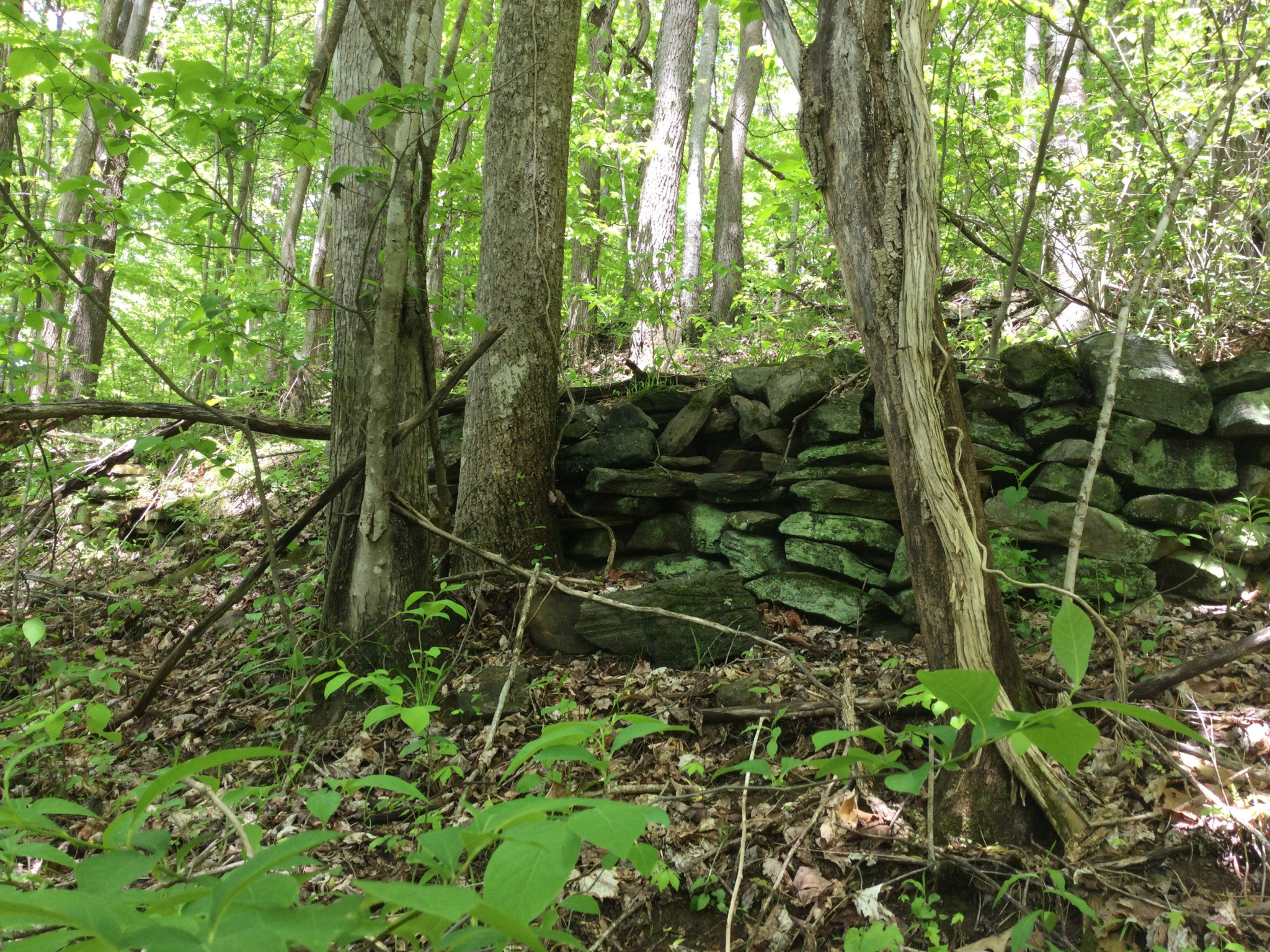
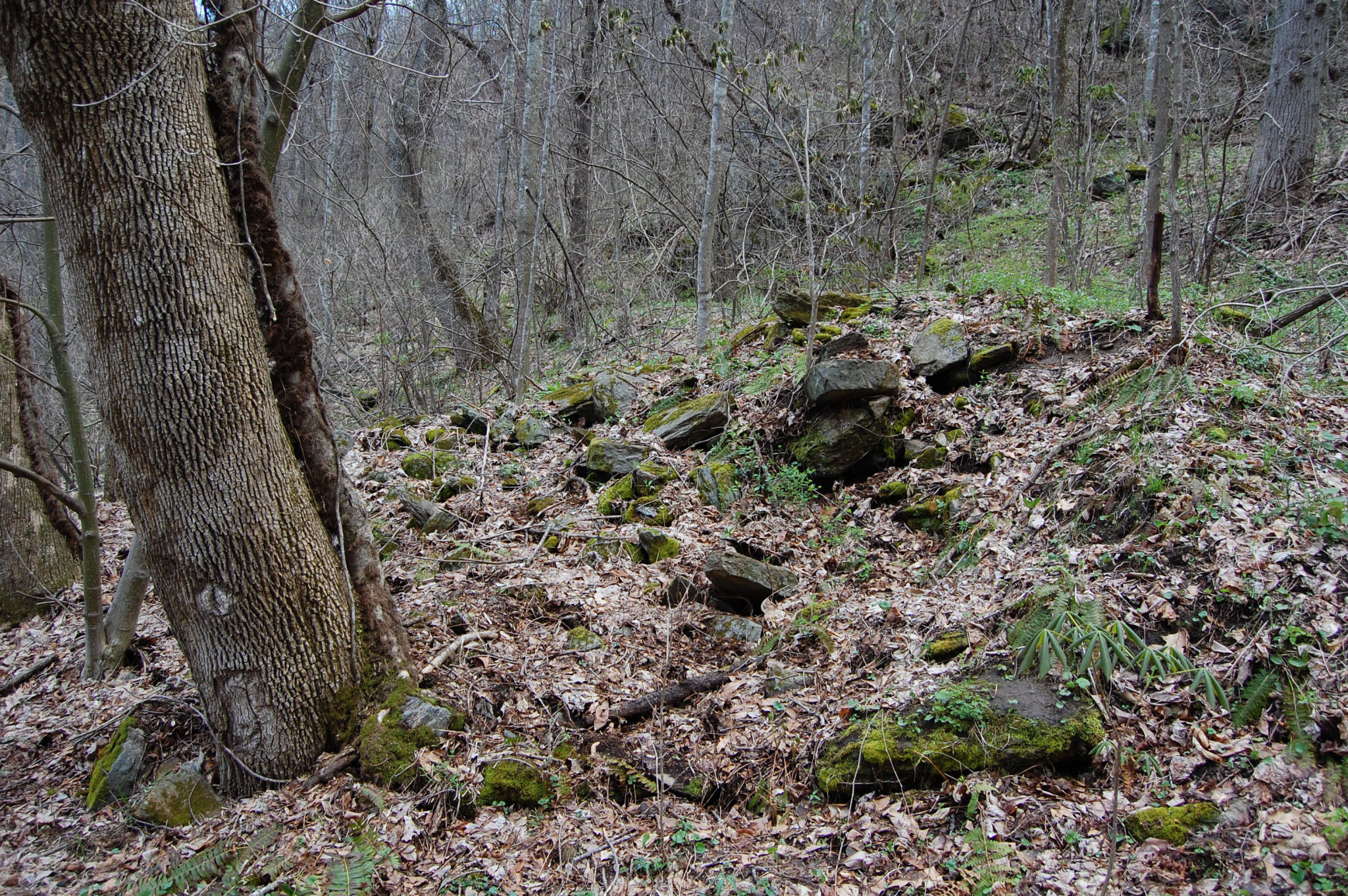
Becoming part of the local community, Diane often spoke and visited with neighbors, learning about the history and stories of people who had once lived in the area. From them, she learned that a section of her property on Banks Creek had once been settled by freed African-American enslaved people. The remains of stone foundations remain as a legacy of their homes. A brief article in the Asheville Citizen-Times reprinted from the Yancey Record of the 1940s references Edward ‘Uncle Ned’ Ray, who along with his brothers were formerly enslaved African-Americans born and living in the rural Cane River area of Yancey County. We look forward to discovering more about this rich history of the land.
Another historic tidbit she learned was that a local gunsmith and trick shooter in the community had once been featured in National Geographic magazine. A neighbor also shared that a house on the property (not included in the conservation easement) had once been the only home in the neighborhood to have a radio, and people from the community gathered there to hear the news and listen to radio shows for entertainment.