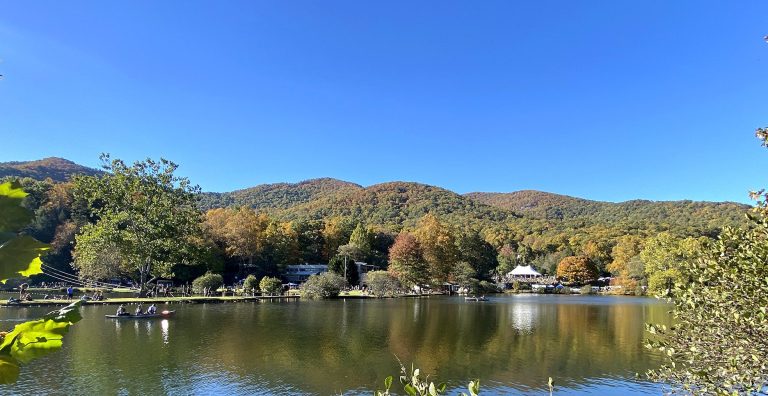
The quest to protect Belview Mountain is one for the record books. In fact, SAHC Senior Advisor to the Board Jay Leutze wrote a book about it. In Stand Up That Mountain, Jay recounted the tale of the years-long struggle to save Belview Mountain from mining.
Rising to 4,400 ft. in Avery County, NC, the 155-acre property that SAHC recently purchased was once slated for demolition as a gravel mine. Fortunately, the mining operation was defeated (as detailed in Jay’s book), and the land began to recover. SAHC’s acquisition ensures that it will continue to heal, and the view from the Appalachian Trail will be protected.

Saving a Mountain
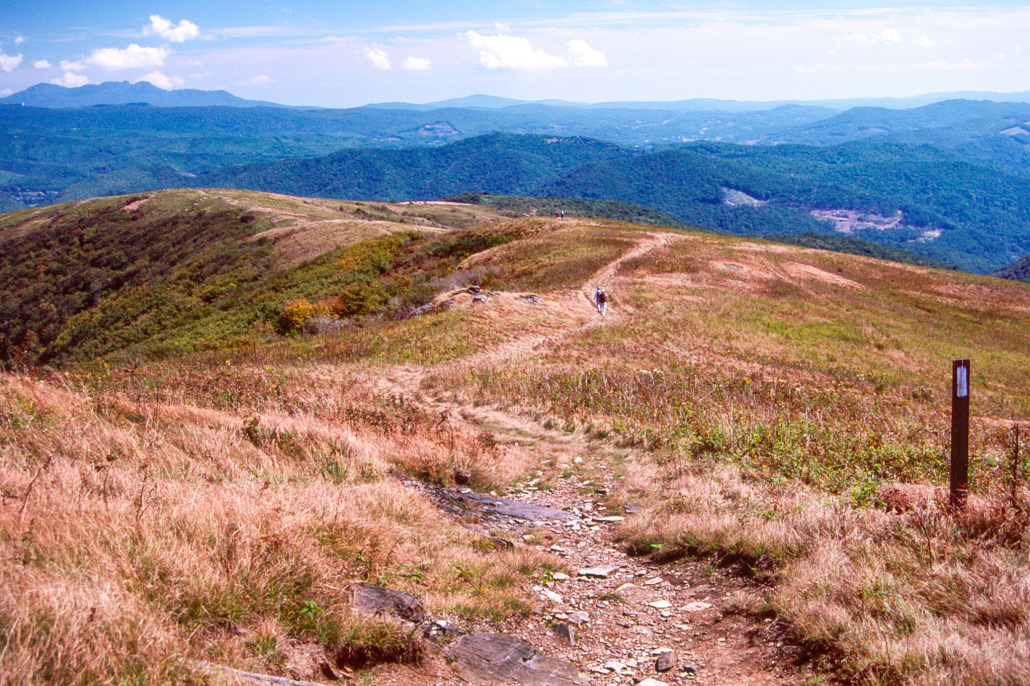
The Belview Mountain tract recently acquired by SAHC adjoins a preserve that SAHC purchased from the Zobel family in 2021, roughly doubling the size of SAHC’s preserve on Belview Mountain to more than 300 acres, and permanently protecting this essential portion of the view from the Appalachian Trail on Hump Mountain.
“Belview Mountain achieved public attention in 1999 when a mining company filed a permit to create a gravel mine on the property,” explains SAHC Executive Director Carl Silverstein. “The effort to defeat the mine, and protect scenic views from the most famous scenic footpath in the world, was retold in the 2012 book Stand Up That Mountain written by Jay Leutze, former president of SAHC’s board of trustees and current Senior Advisor to the Board. The successful defeat of the mine occurred through the support of conservation partners; Appalachian Trail Conservancy joined the landmark lawsuit as a co-plaintiff. In addition to the property’s scenic views from the Appalachian Trail, it contains water quality and wildlife connectivity that further warrant its permanent protection. ”
Analysis by the US Dept. of the Interior determined that the planned mining would have had a “significant adverse effect on the use and enjoyment of the Appalachian Trail in one of its most scenic locations.” Mining operations on Belview Mountain ceased, and in the ensuing years, the land has begun to heal, with wildlife and birds returning to the mountain.
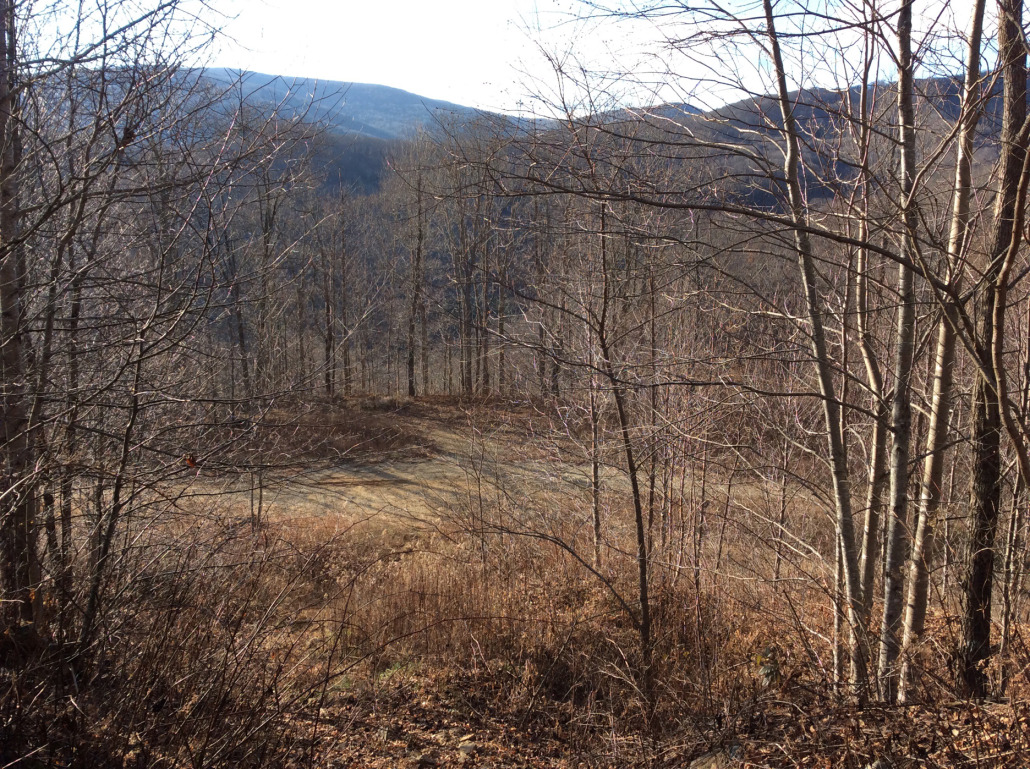
SAHC’s purchase of the property will allow the land to continue recovering from the impacts of the mining company preparing the site for mining. Two portions of the property, totaling approximately 20 acres, were cleared as staging areas for mining equipment, and the scars on the mountainside were clearly visible from Hump Mountain on the Appalachian Trail. Those areas are now in the process of reforesting, and SAHC’s permanent protection of the property will allow those areas to return to native forest. The balance of the property has remained undisturbed natural habitat.

A conservation-minded landowner, Tim Sweeney, purchased the property in 2020 in order to prevent it from ever being developed. Thanks to a generous contribution from the Stanback family, a grant from the Appalachian Trail Conservancy’s Wild East Action Fund, and ongoing support from members, SAHC was able to purchase the tract this year for long-term preservation and habitat management.
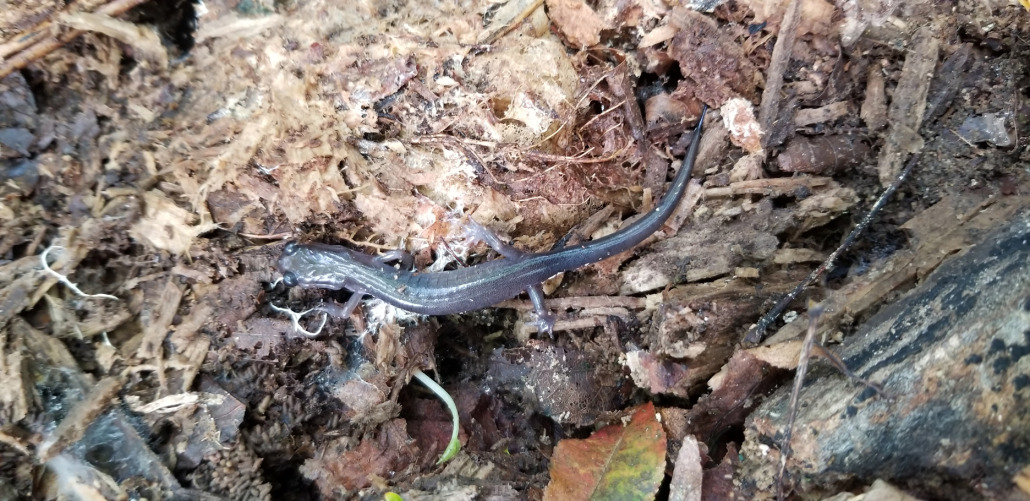
“SAHC’s purchase of this portion of Belview Mountain benefits the region’s environment, economy and community,” says Land Protection Director Michelle Pugliese. “This high elevation property has both scenic and biological significance. Belview Mountain lies within the primary viewshed from the Appalachian Trail at Hump Mountain, impacting the hiking and wilderness experience for thousands of people each year. In addition to its scenic impact, the land contains significant biological resources. It is located within the Grandfather-Unaka Priority Amphibian and Reptile Conservation Area and within the Wildlands Network Connectivity Corridor, which provides pathways for wildlife movement between significant blocks of wildlife habitat. A small portion of a headwater tributary to Little Horse Creek, which empties into the North Toe River, flows through the property. We are grateful for all the partners and supporters who made this project possible!”
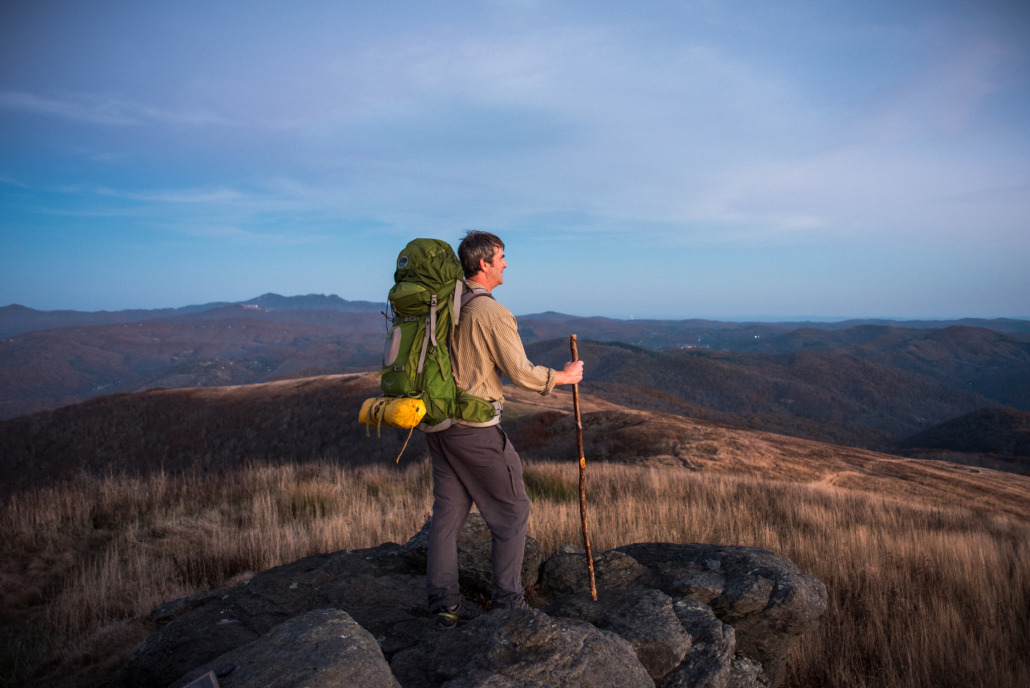
Perspective – Author and Conservationist Jay Leutze
Belview Mountain in the Highlands of Roan was the focus of Jay Leutze’s nonfiction epic ‘Stand Up That Mountain’. Told in the evocative spirit of Icelandic sagas, which weave together the intricacies of legal battle with the heartfelt passion of people ‘of the land, living with the land’, Stand Up That Mountain traces the hard-fought legal battle and preservation efforts for Belview Mountain.
“The Putnam mine story began the way all local land battles do, responding to a crisis in the landscape,” explains Jay. “The plaintive group was formed: the TN Eastman Hiking and Canoeing Club helped start the fight on behalf of the Appalachian Trail, and local people who had not been given due process had the standing to sue. A lot of the case was built around auditory impacts. Mines are really loud, and part of the stated purpose of the Appalachian Trail provides for ‘a quiet remove from the sights and sounds of civilization.’ The proposed mine created an assault on the senses, both sight and sound, which threatened and would have radically altered the way people experience one of the most spectacular landscapes in the Eastern U.S.”
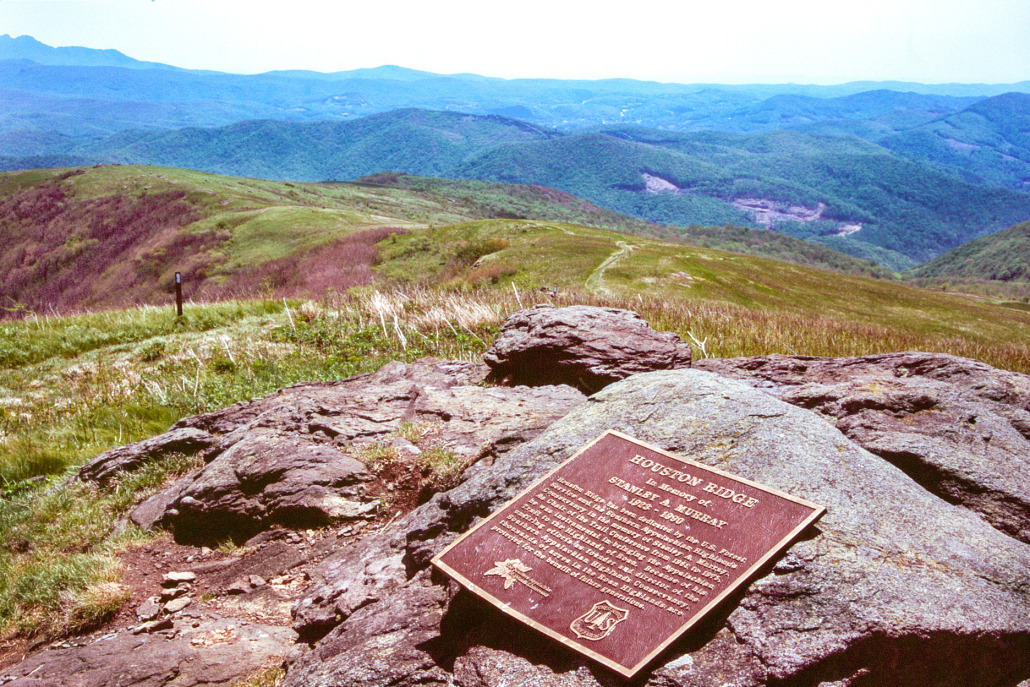
“The proposed permit to crush rock 24 hours a day would have led to a serious disruption of habitat,” continues Jay. “This is a 4,400 ft. mountain, a serious presence in the local topography. Removing it from the landscape would have had a dramatic effect on creeks, streams, migratory birds. Streams coming off the property may be too small to fish, but there are seeps and springs coming off Belview Mountain that feed into the North Toe River. The mine would have changed the hydrology underground and impacted one of the great trout fisheries in the region.”

Thanks to the local residents who clamored for justice and the partners who took up the call to champion the cause, the proposed Putnam mine was stopped. However, destructive use of the land could have returned in another fashion.
“On a personal level, this project has tracked the arc of my conservation career,” adds Jay. “Through working on the Putnam mine case, I realized how difficult, expensive, and tenuous it is to try to save mountains using the court system. The laws and courts change over time. If you really want to protect the land forever, the more enduring way is to leverage resources and raise funds to purchase it. Through my passion for protecting Belview Mountain, I came to learn more about SAHC’s work and the land trust community overall. Using thoughtful conservation planning to identify places that have extremely high conservation value, tools in the land trust conservation toolkit can be applied more effectively.”
For example, SAHC may acquire the land directly, assist partners to add to public lands, or work with willing landowners on conservation easements. In accomplishing these projects, we depend on the commitments of conservation-minded individuals and partners.
“To have durable outcomes you have to be sophisticated and strategic , to be sure you are protecting the places that will have a positive impact in the long term,” continues Jay. “We have limited resources – both in terms of financial resources and staff capacity – but SAHC has been successful because our team puts together conservation deals using every resource available. In this case, we were able to partner with a conservation-minded landowner who helped SAHC meet one of our strategic goals – protecting the viewshed from the Appalachian Trail at Hump Mountain.

“This mountain means a lot to me,” shares Jay. “Local people have been in love with that place. Your eye gets used to the landscape and what it falls on, and the idea that Belview mountain would be dismantled over the 99 years of the proposed mine lease in clouds of dust and dynamite – well, that was something no one in our little community in the Roan Highlands wanted to witness.”
“The day SAHC closed on the purchase I drove up to the former mine site – to the scar on the mountain which is now healing – and savored the fact that the area is now excellent early successional bird habitat. I spotted an Indigo bunting and listened to the birdsong while looking up at the Appalachian Trail. When you gaze from Belview Mountain towards Hump Mountain, you see so much land that SAHC has protected; it’s very humbling. This is a setting that puts into context the impact that we… that all of you… have had, especially in the Highlands of Roan.”
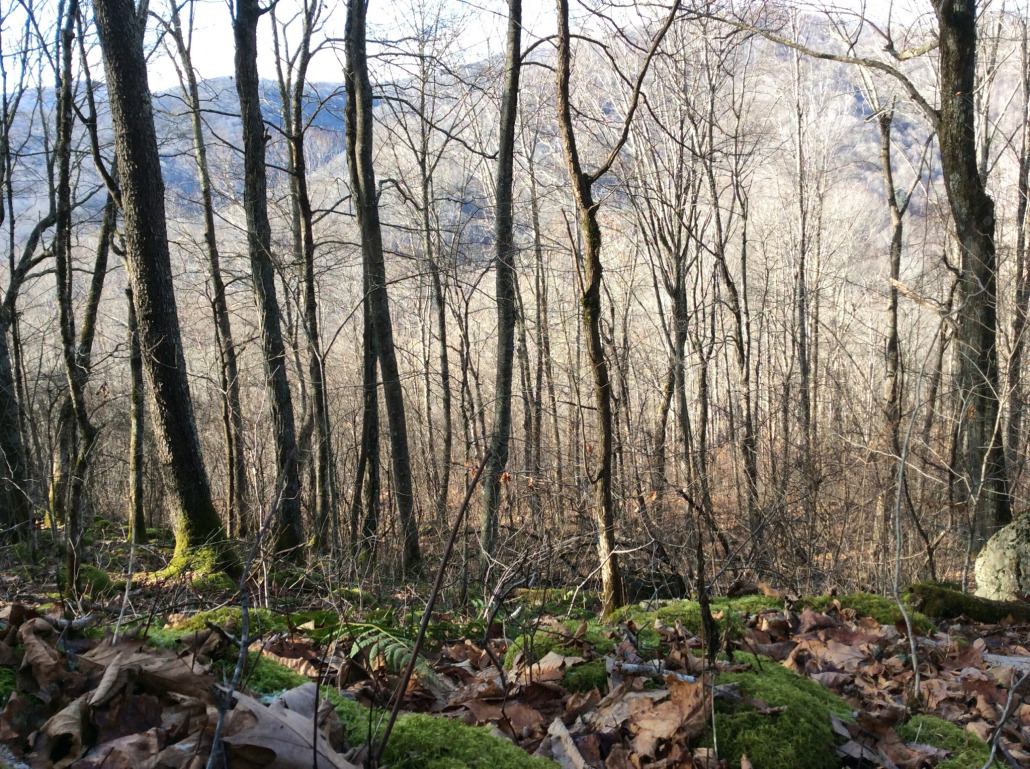
Photo credits: Appalachian Trail images and scenic view by Witt Langstaff, Jr. ; Jay Leutze on the AT by Chris Galloway
Cranberry Mountain
In addition to SAHC’s Belview Mountain Preserve project, the Land Protection Team has completed six additional new projects in the Highlands of Roan this fall, totaling 247 acres.
The largest of these is a 201-acre tract at Cranberry Mountain, very near the Belview Mountain preserve.
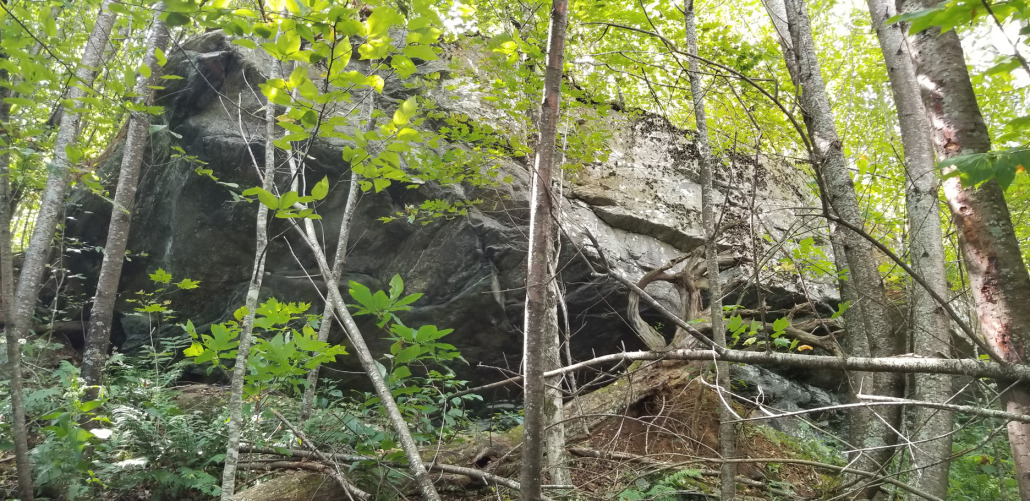
“This Avery County, NC property near Hump Mountain had been listed on the real estate market,” says Land Protection Director Michelle Pugliese. “SAHC’s acquisition of this tract will eliminate the risk of the property being subdivided and developed, and will expand a wildlife corridor and protected land network in the area. Cranberry Creek, which flows on the western boundary, is classified as a Wild Trout waters by the NC Wildlife Resources Commission and Trout waters by the NC Division of Water Resources. A survey of the creeks onsite revealed a high density of brook trout, which are a native species and indicator of high water quality. The property also contains at least four notable groups of rock outcroppings that could provide habitat to support nearby bat populations.”
“This Cranberry Mountain property was at one time slated to be a golf course,” adds Jay Leutze. “It’s so exciting to see it become part of this expanding wildlife haven instead.”
MORE Good News in the Roan Highlands
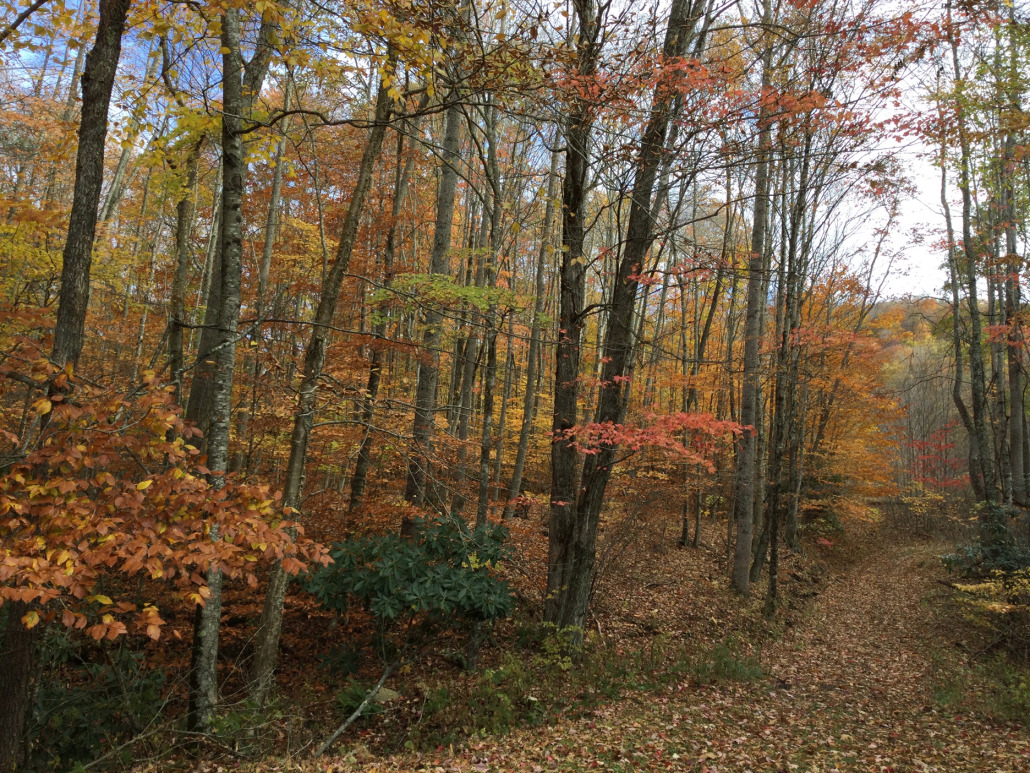
In addition to the conserved land at Belview Mountain and Cranberry Mountain, in the past few months the SAHC also closed on: the purchase of two adjoining Duck Branch properties, totaling 23 acres, in Carter County, TN near Roan Mountain State Park; the purchase of a 15-acre tract in the Roaring Creek Valley; and the purchase of a 7.7-acre inholding surrounded by conserved land and national forest south of the Appalachian Trail.