Cane River Confluence

Ecological Importance
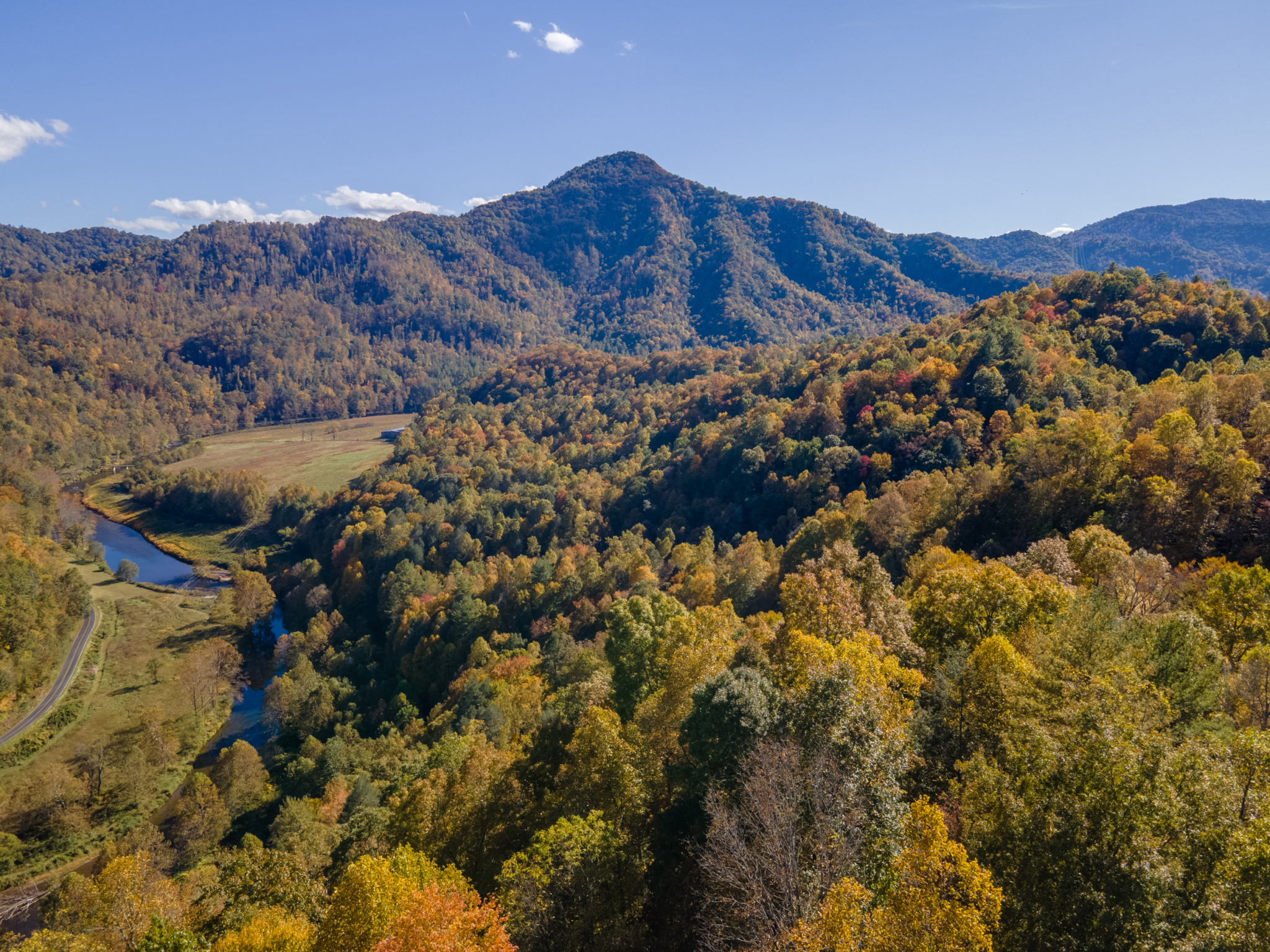
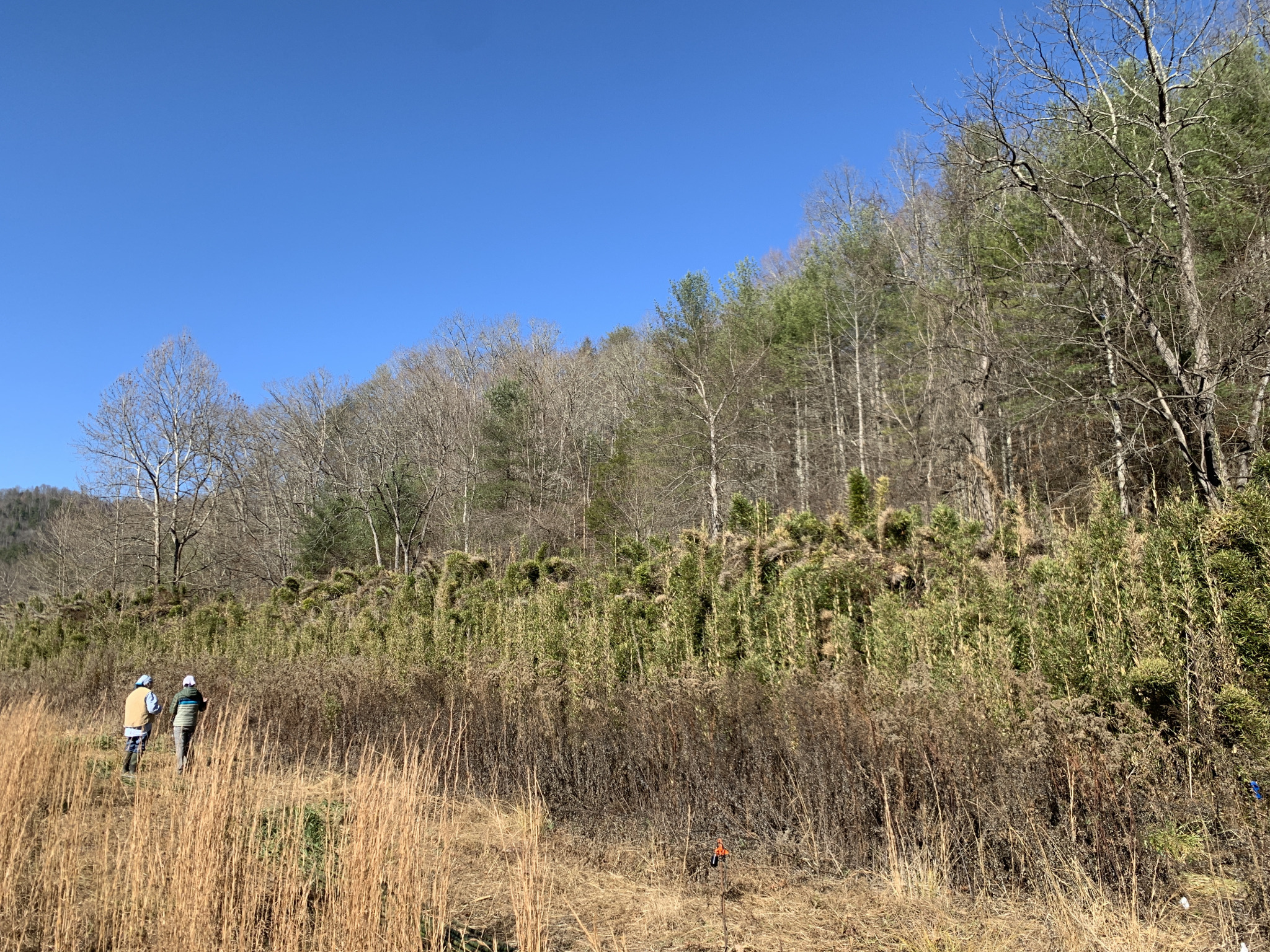
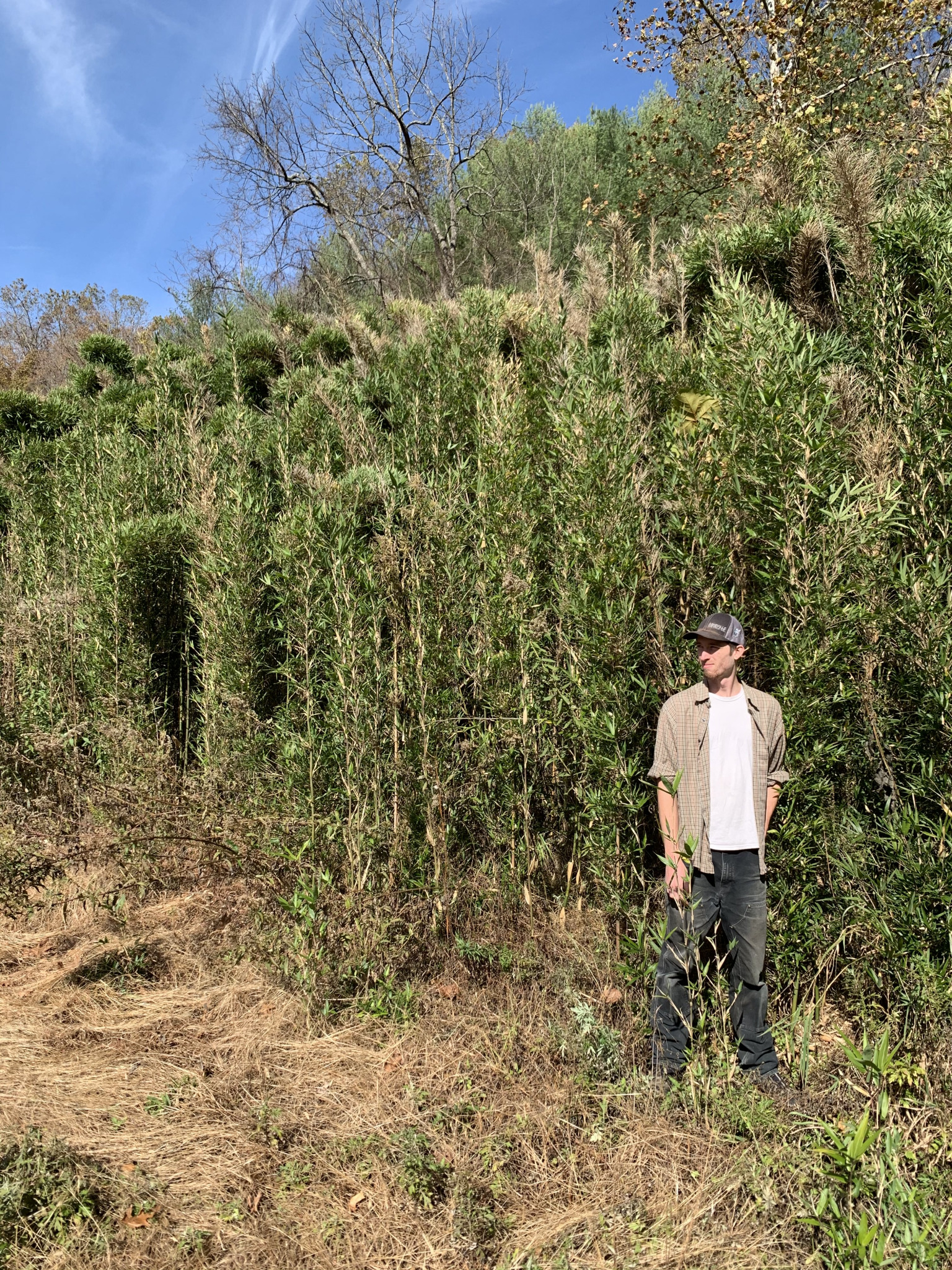
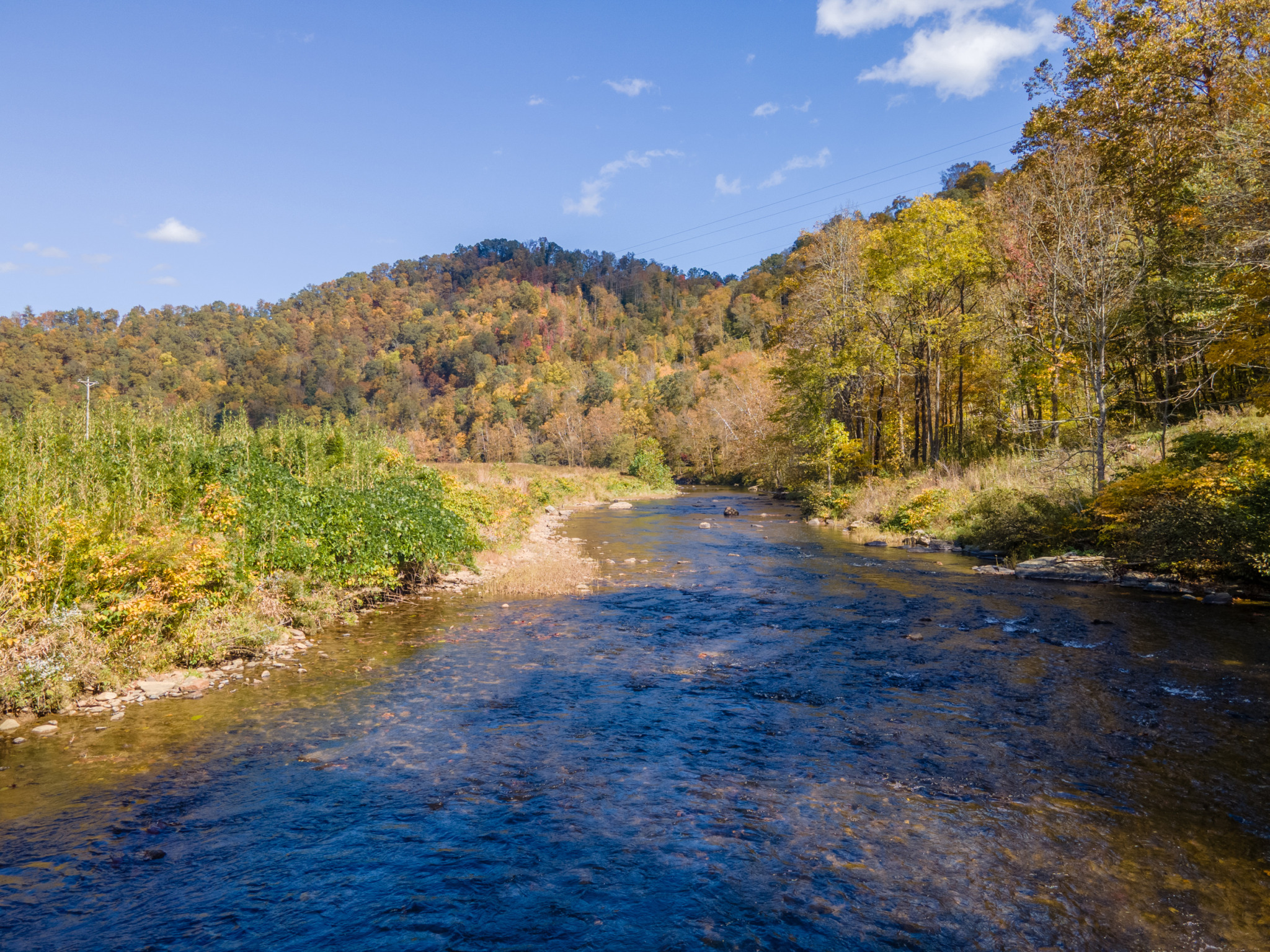
The property includes and adjoins riparian areas and waterways that provide habitat for federal and state threatened and endangered species, and species of special concern, including the Appalachian elktoe (Alasmidonta raveneliana), wavy-rayed lampmussel (Lampisilis fasciola), blotched chub (Erimystax insignis), and eastern hellbender (Cryptobranchus alleganiensis). A significant stand of river cane, a culturally important native species, thrives on the land. Future expansion of the river cane habitat could assist with stream restoration and help mitigate against future flooding impacts in the region.

River Cane
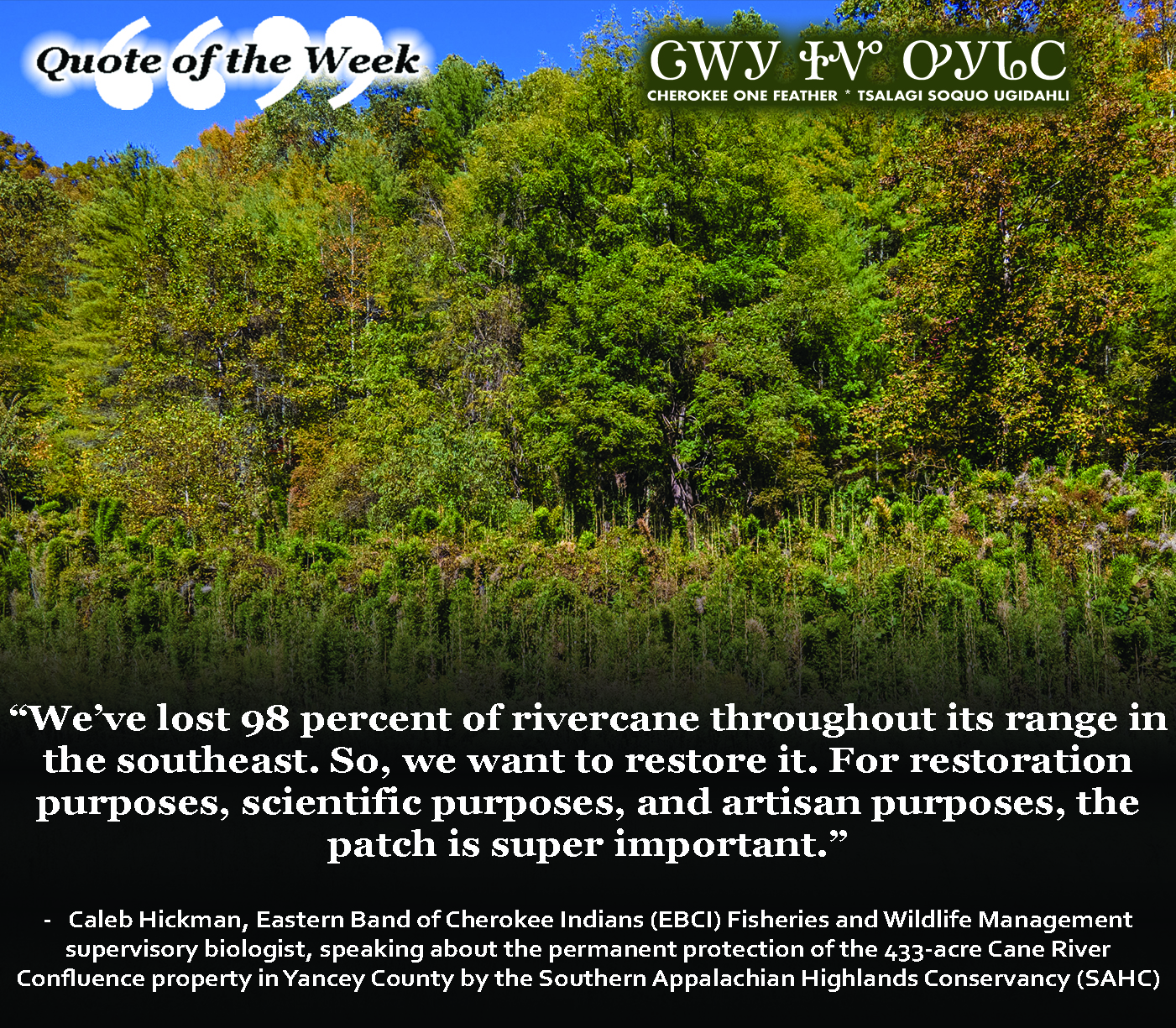
“This rare and culturally significant site contains one of the largest remaining stands of river cane (ᎢᏯ / iya), a plant essential to Cherokee cultural practices,” says Dr. Caleb R. Hickman, Supervisory Biologist of the Eastern Band of Cherokee Indians (EBCI) Natural Resources Department and Citizen of the Cherokee Nation. “For generations, we have used river cane to make baskets, blowguns, mats, and ceremonial tools. These practices are not just art — they are acts of identity, resilience, and intergenerational teaching. River cane has declined by more than 98% since colonization, and yet it offers powerful ecological benefits — buffering floods, filtering agricultural runoff by more than 90%, and providing habitat for rare species like the Swainson’s warbler and northern long-eared bat. With partners like the University of Georgia, we are studying how traditional harvesting enhances cane regeneration and patch stability over time.”
Want to learn more?
Special thank you to the Cherokee One Feather for covering this exciting conservation story in the article “Rare rivercane patch in Yancey County to be preserved”! Read more in their article here >>