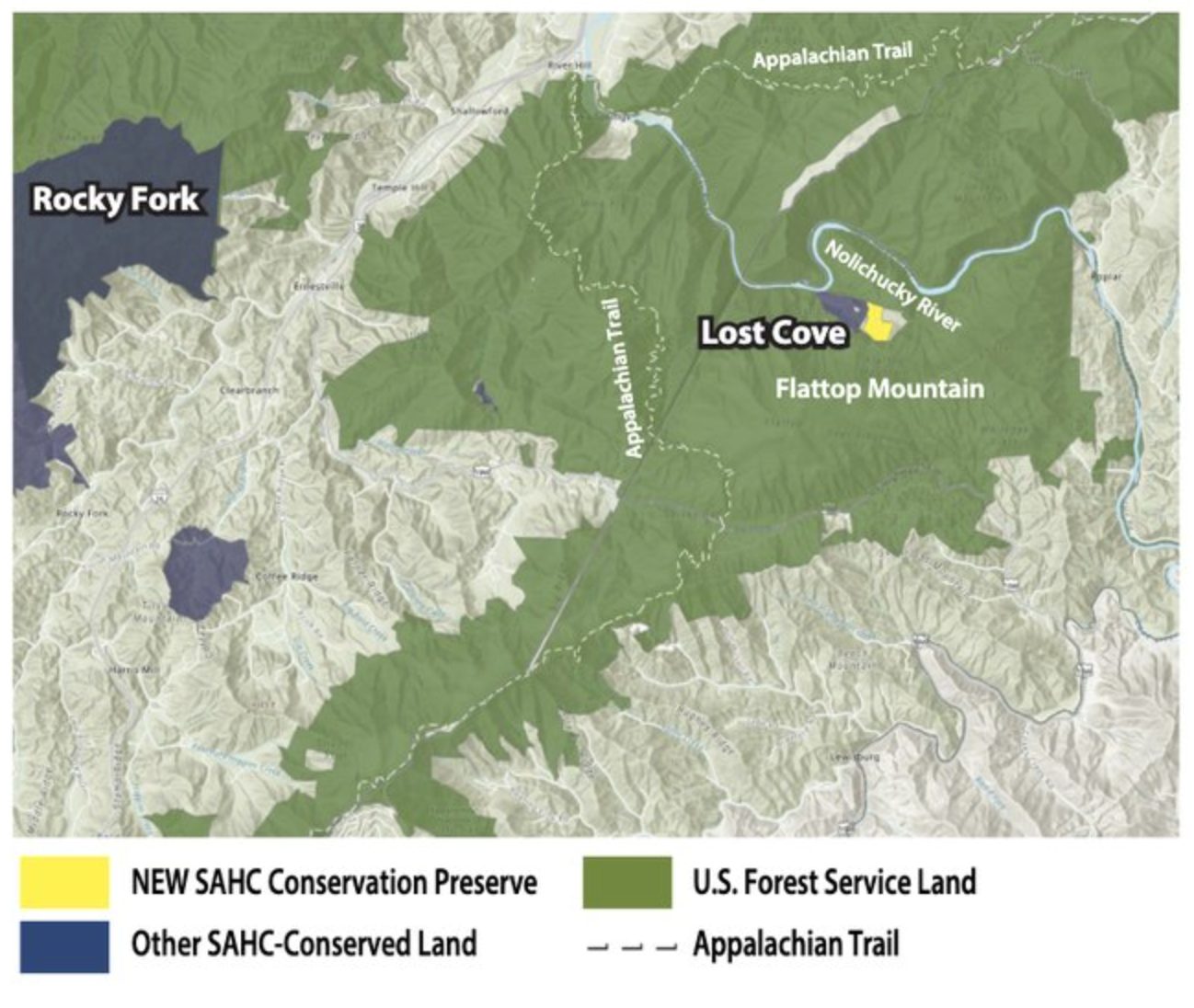
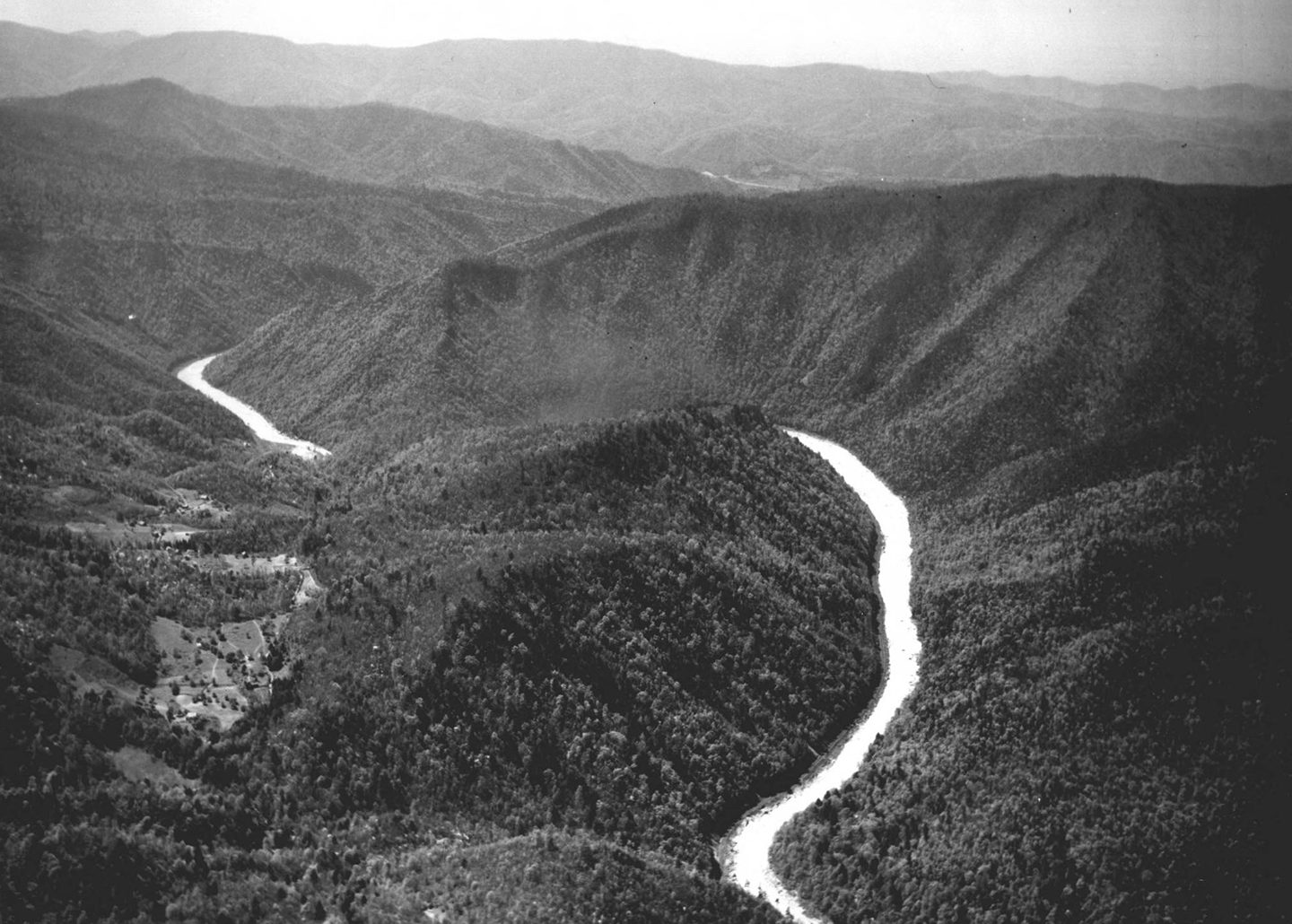
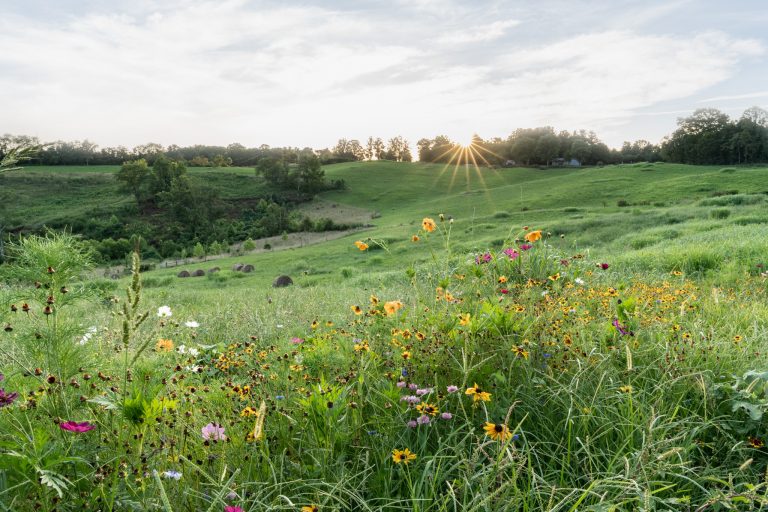
Tucked into an isolated, forested perch above the Nolichucky River near the NC/TN border, the abandoned settlement of Lost Cove inspires the imagination. Pisgah National Forest surrounds this former community, touted as a ‘ghost town’ in the mountains.
In 2025, SAHC purchased a 56-acre tract in Lost Cove that adjoins the 95-acre tract that we purchased in 2012 and transferred to the US Forest Service in 2017. We plan to own and manage this new property as a nature preserve, until it also can be transferred to become part of Pisgah National Forest.
Protecting the land helps preserve scenic views from the Appalachian Trail, cultural history of the Appalachian mountains, and wildlife habitat, within an ‘in-holding’ almost entirely surrounded by Pisgah National Forest.
Golden eagle (Aquila chrysaetos) research conducted by the NC Wildlife Resources Commission and partners has tracked migratory raptors to sites nearby.
“This project provided a rare intersection between protecting important natural resources and celebrating a unique part of Appalachian history,” says Land Protection Director Michelle Pugliese. “My work to protect this portion of the Lost Cove ghost town opened for me a door into the past. According to local history, for nearly 100 years this land was part of a small but thriving community. The homesteads on SAHC’s newly acquired land once contained apple orchards and corn fields, and the high quality moonshine produced there was legendary. Hearing the stories about this community was a real delight!”
Settled in the 1800s, the last family moved out of the Lost Cove community in the 1950s – leaving several privately-owned tracts now almost entirely surrounded by national forest land.
“From SAHC’s beginning, we have worked with partners such as the US Forest Service and state parks to help conserve land for outdoor recreation,” adds Michelle. “In-holding gaps of privately owned land within public lands can make it harder for agency partners to manage their lands, and can be confusing for people enjoying outdoor recreation in the forest. By helping to fill in the missing puzzle pieces, SAHC assists our agency partners in meeting their goals and contributes to public lands that help connect people with nature.”
Echoes of Life in the Lost Cove
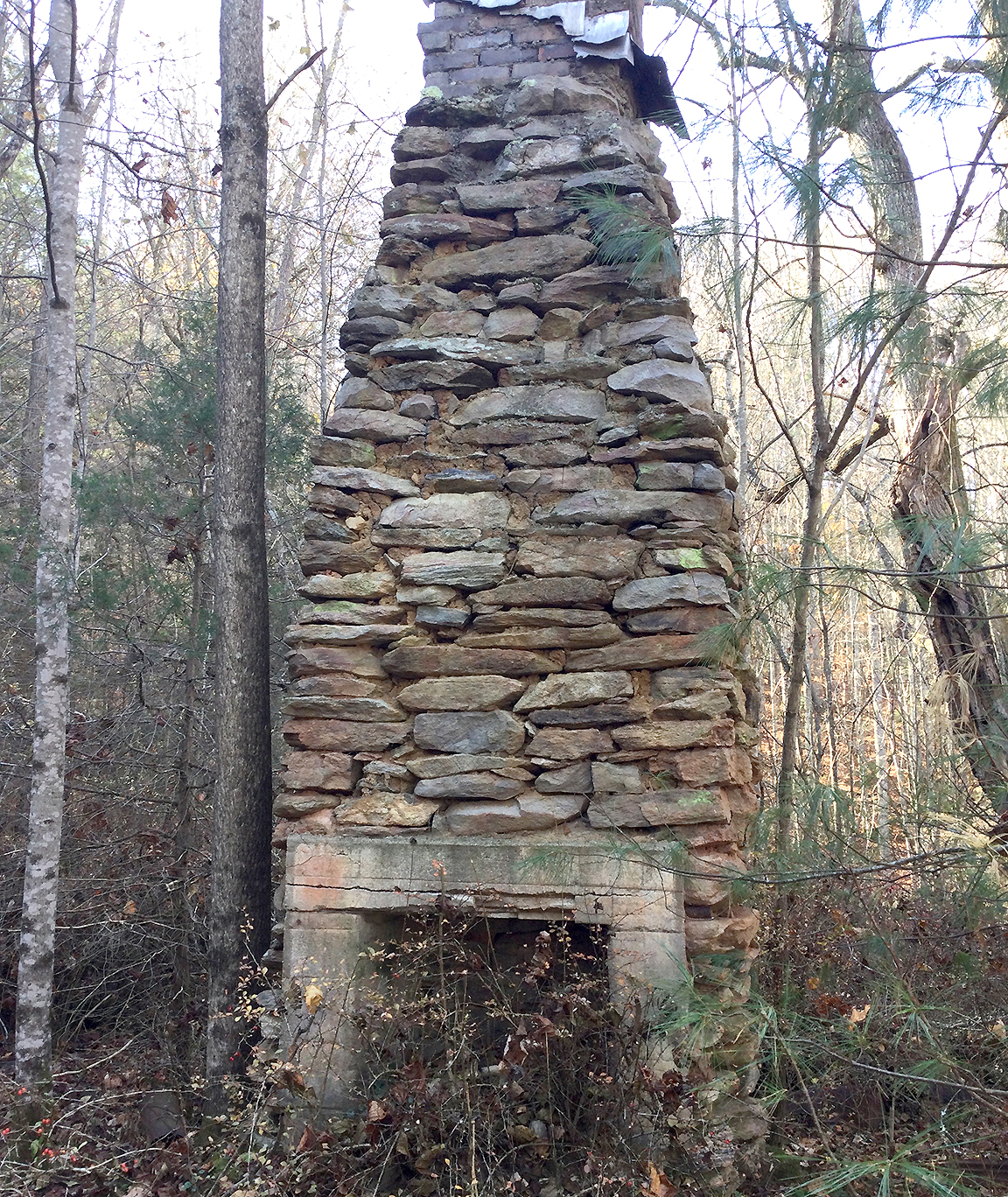
There’s something alluring about a ghost town in the middle of the forest, where stone chimneys and building remnants hearken back to more vibrant days. You can almost imagine that the stones in fallen walls whisper stories about the families who once lived here.
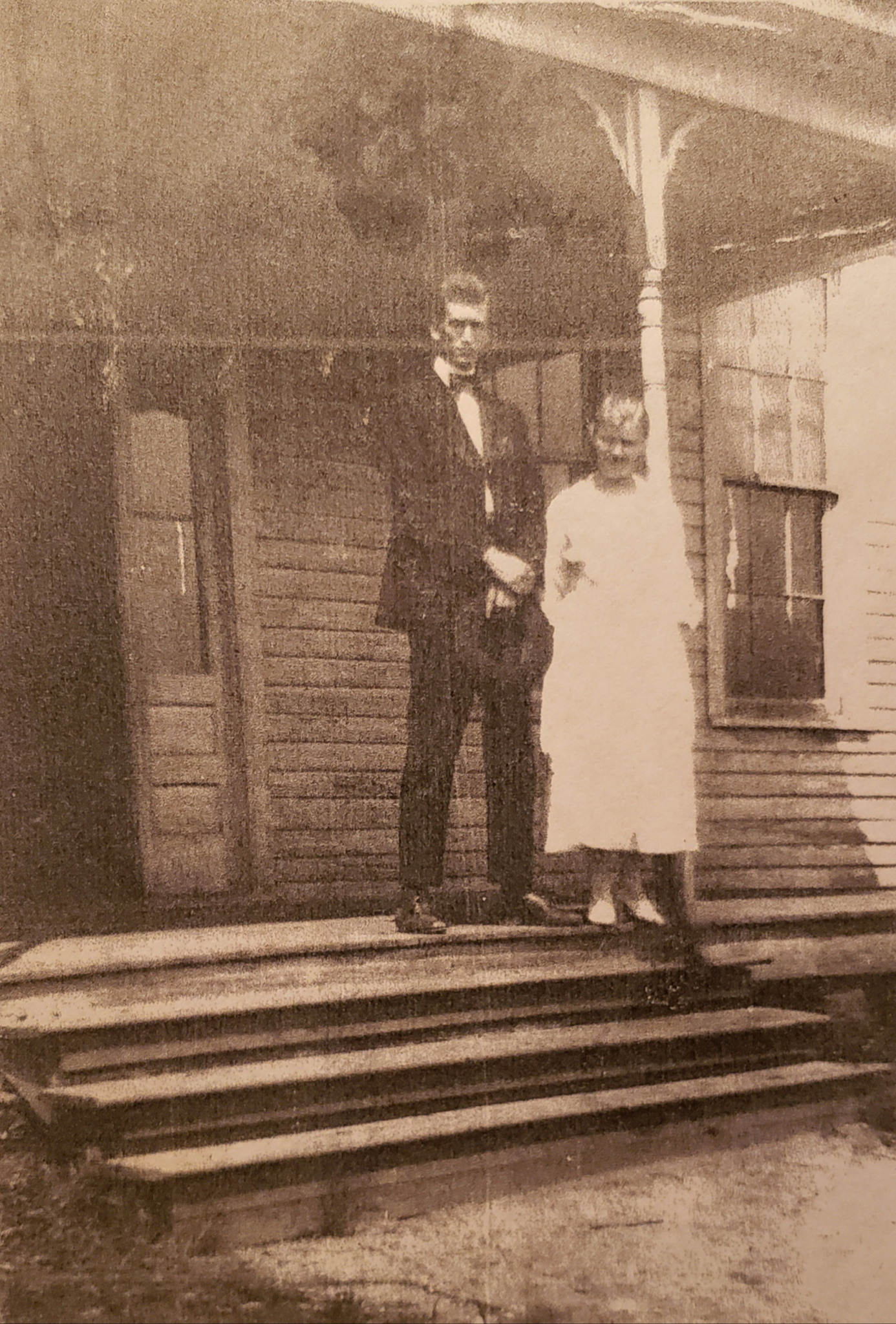
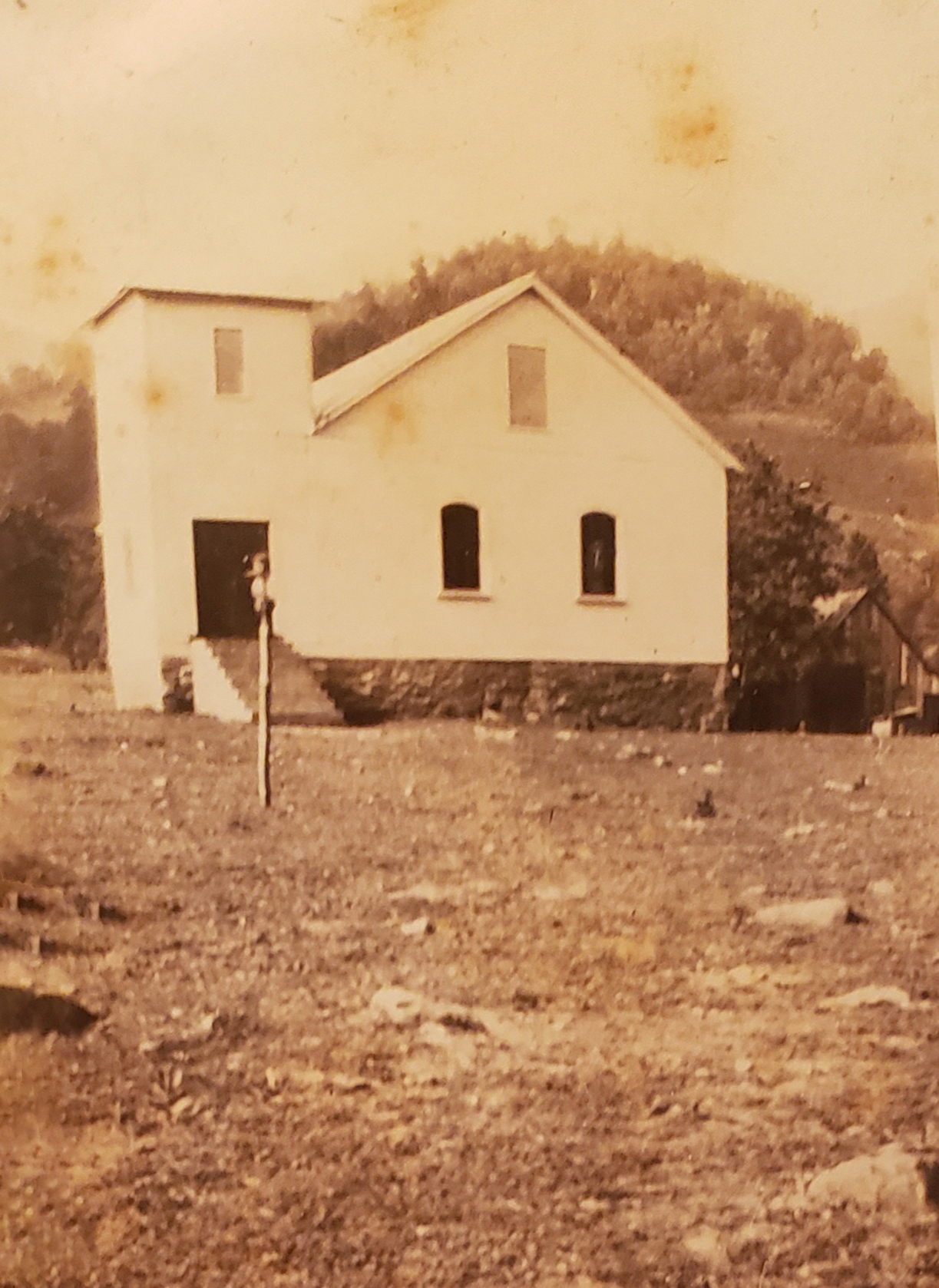
Rebecca McCuiston contacted us to share information about her family’s connection with the former settlement. Her maternal grandparents served in mission work in Lost Cove from March to September of 1921.
“My mother, Anne Smith McCuiston, recalls that her parents were just 26 (William Robert Smith, Jr.) and 25 (Nancy LaVena Marion Smith) when they lived in Lost Cove,” shares Rebecca.
“They had been married in 1919, while my grandfather was at seminary. Both of them had completed their high school education, which at that time was sufficient for them to be able to teach children in school. They taught in Lost Cove, and my mother thinks that the schoolhouse where they taught was a one-room schoolhouse.”
Rebecca shared historic photos taken during the time her grandparents lived in Lost Cove. A few years after the young couple left the cove, Rebecca’s mother was born in Banner Elk, NC, in 1928.