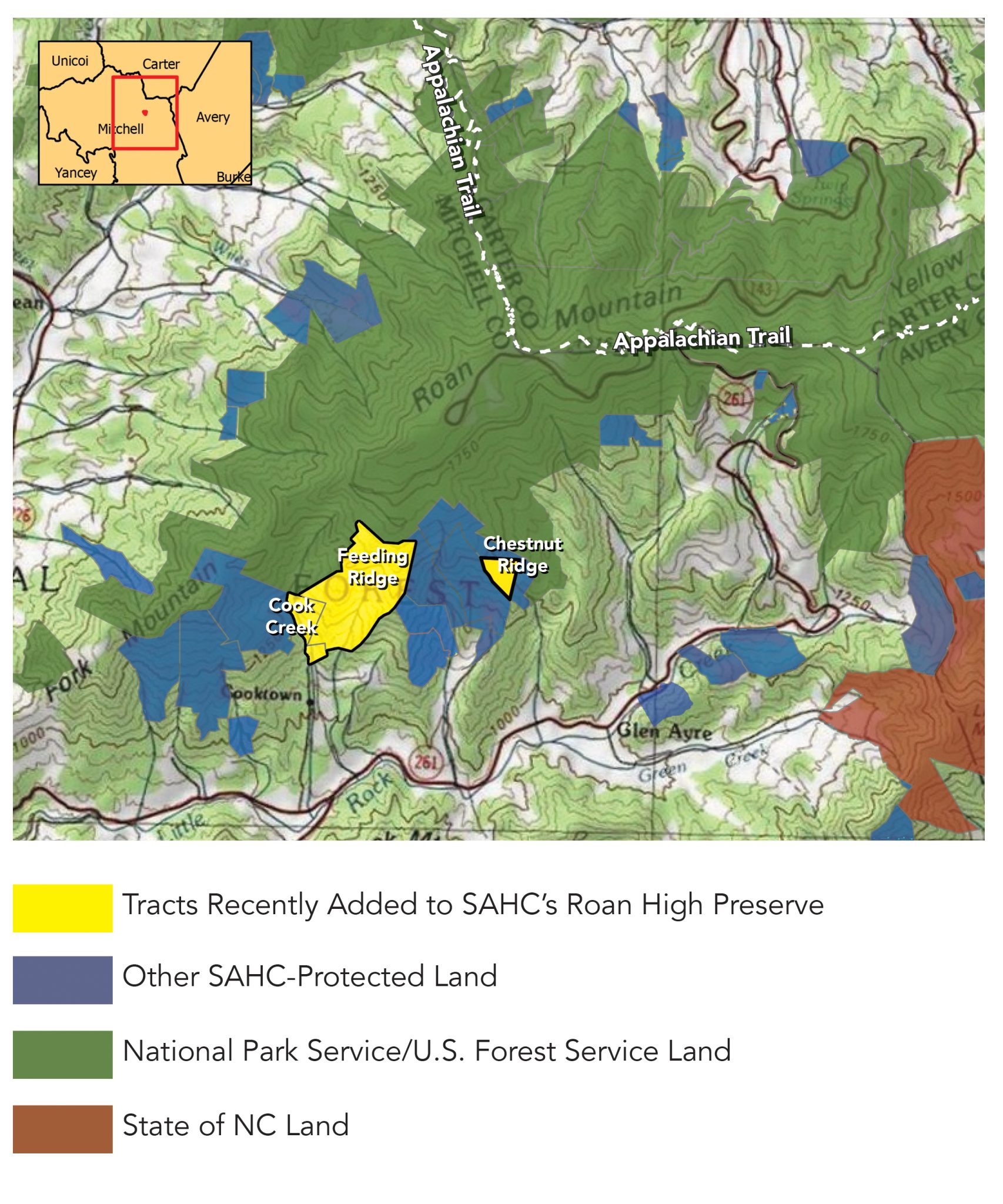
In September 2026, Southern Appalachian Highlands Conservancy acquired 372 additional acres for our Roan High Preserve in Mitchell County. The recently protected land, in three separate tracts, borders Pisgah National Forest and other SAHC-protected land on the southern flank of the Roan Massif. Now totaling 1,449 contiguous, permanently protected acres, SAHC’s Roan High Preserve contains exceptional habitat and headwater streams. The undeveloped mountain land is highly visible from the Appalachian Trail and surrounding communities.
“Conservation of these three tracts – Feeding Ridge, Cook Creek, and Chestnut Ridge, secures important missing ‘puzzle pieces’ in SAHC’s Roan High Preserve,” says Roan Stewardship Director Marquette Crockett. “This preserve now forms one large, unbroken, permanently protected section of forest in the very heart of the Roan Massif, stretching up to the spruce-fir ecozone and preserving exceptional high order stream corridors. By protecting these tracts within the Preserve, we can ensure that numerous rare high elevation species will have access to the large tracts of unbroken “core” habitat they need to survive. As a wildlife biologist, it’s incredibly inspiring!”
Ecological Importance
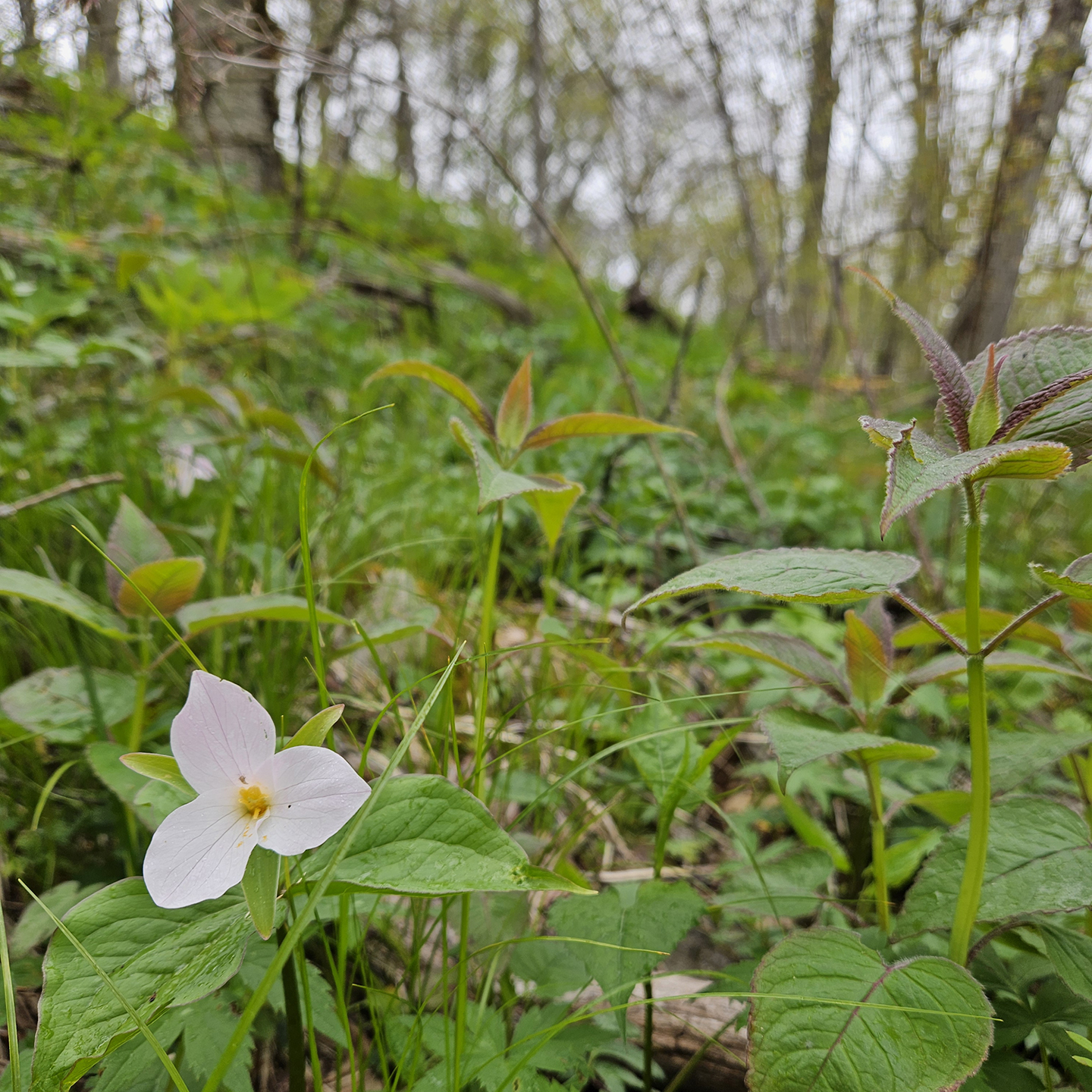
SAHC’s Roan High Preserve protects pristine high elevation hardwood and spruce-fir forests directly adjacent to Pisgah National Forest. The preserve’s conifer forests support a host of high elevation endangered, threatened, and endemic species, including the Carolina northern flying squirrel, Saw-whet Owl, and Red Crossbill. Hardwood forests support neotropical bird species like the Canada Warbler, Veery, Magnolia Warbler, and Black-billed Cuckoo. Other rare species such as Eastern spotted skunk, trailing wolfsbane (Aconitum reclinatum), and Gray’s lily (Lillium grayi) are scattered throughout.
Several biological designations overlay or adjoin these tracts, including the Audubon Society’s Roan Mountain Important Bird Area, the Grandfather-Unaka Priority Reptile and Amphibian Conservation Area, and the NC state-designated Roan Mountain Massif Natural Area.
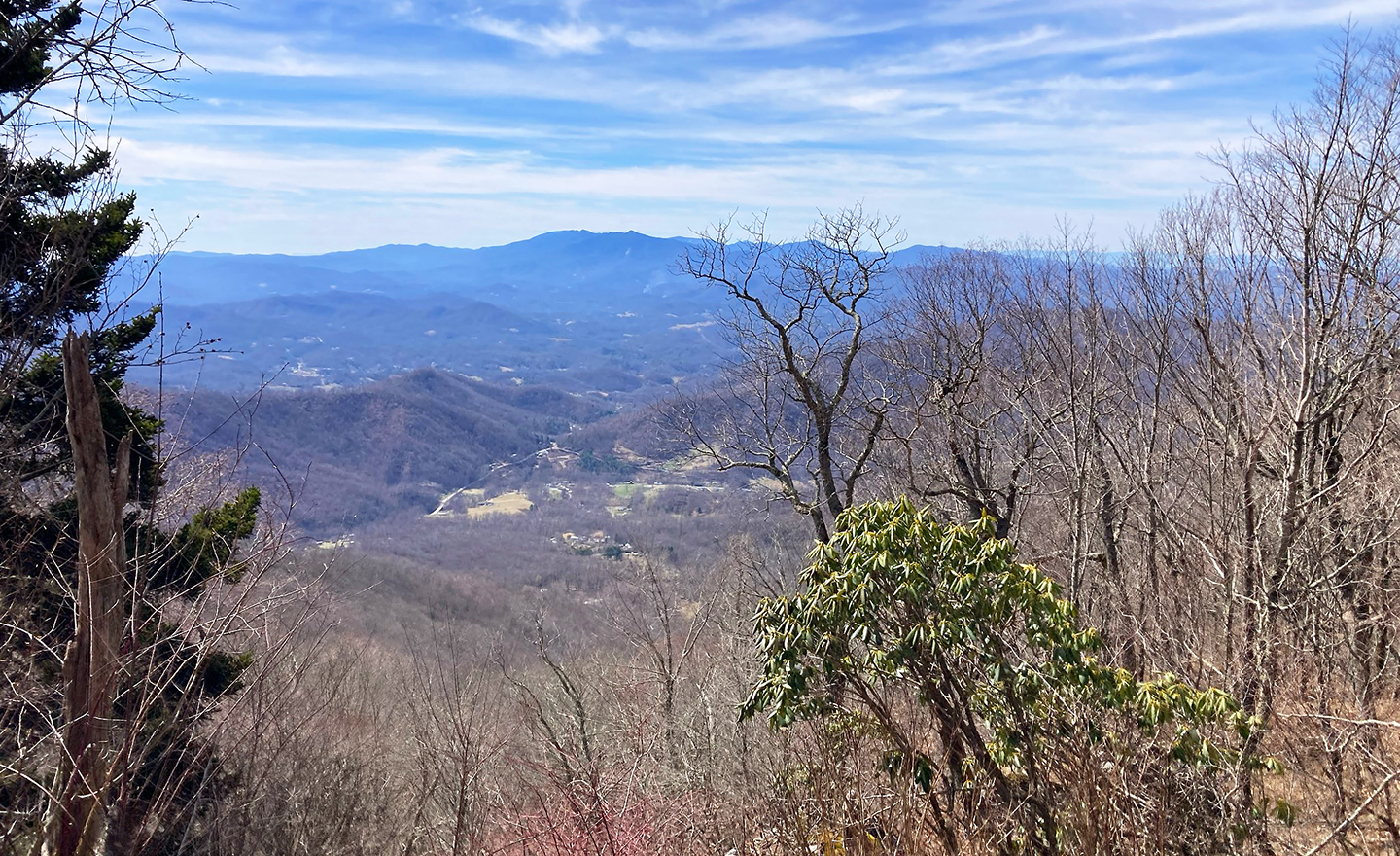
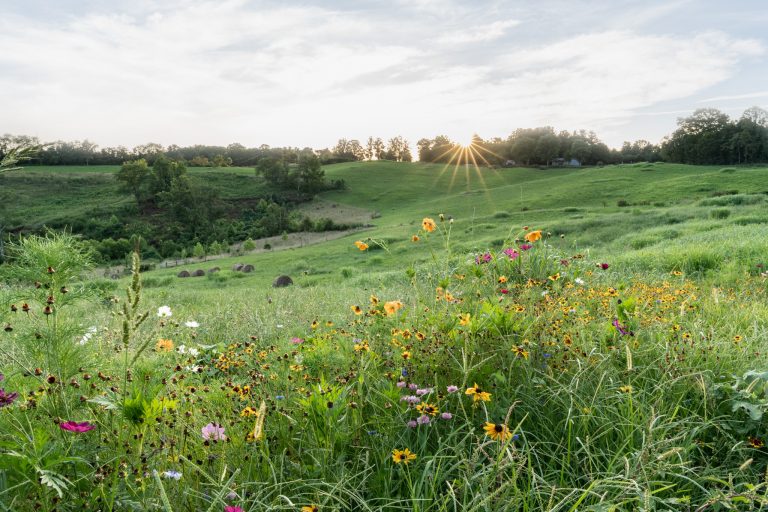
Permanent preservation of the land also protects scenic views from popular outdoor recreation areas in the Roan Highlands.
“The Feeding Ridge tract had been one of SAHC’s longtime top priority tracts for acquisition in the Roan, going back at least to the 1990s or earlier,” says Land Protection Director Michelle Pugliese. “The addition of these properties to our Roan High Preserve protects elevations reaching 5,400 feet, which are visible from the Appalachian Trail. For the thousands of people visiting the Rhododendron Gardens on Roan Mountain each year, they will be able to enjoy an unblemished view of the mile-long ridgeline on Feeding Ridge forever.”
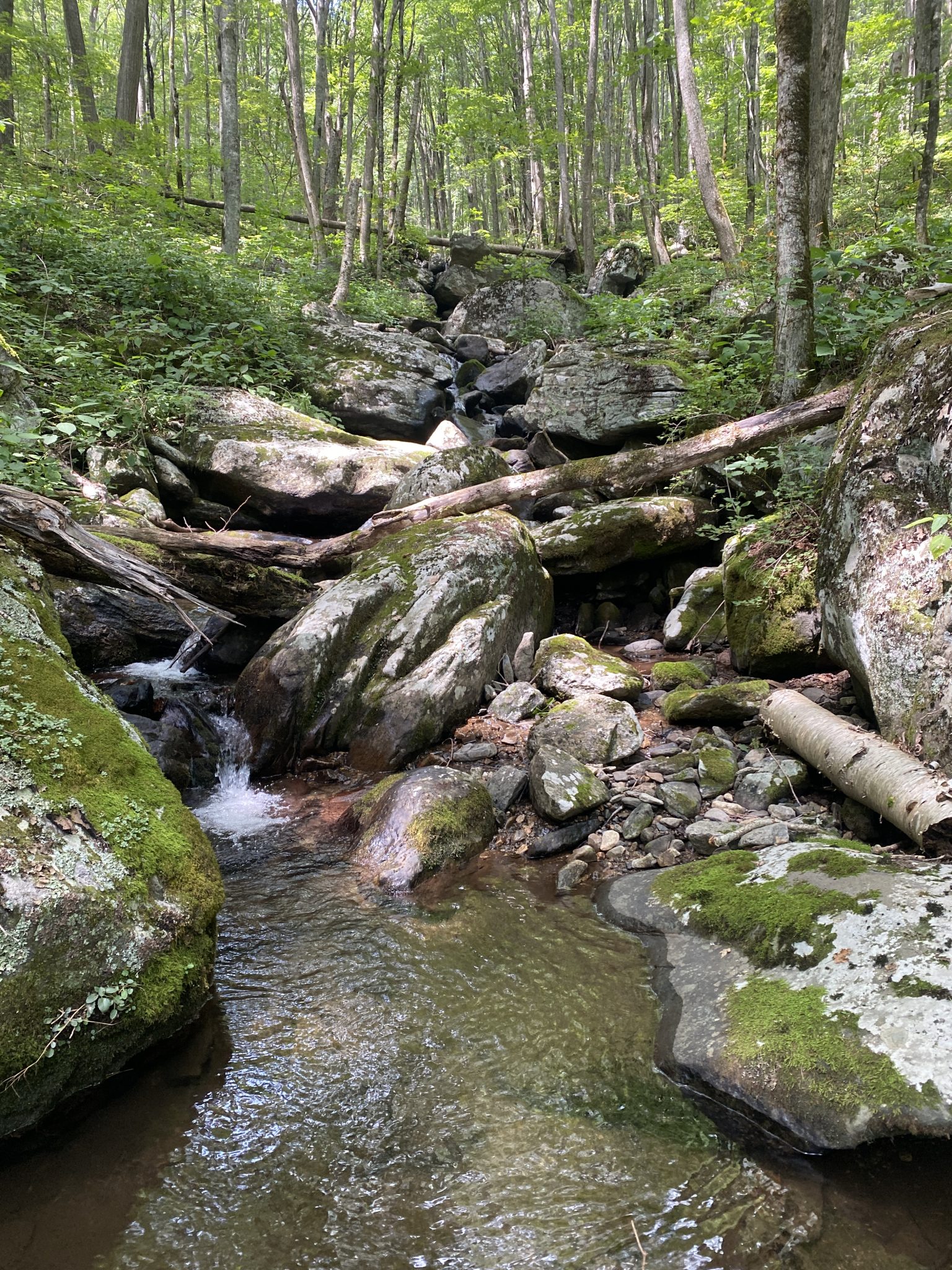
Headwaters and tributaries of Little Rock Creek, a main tributary of the Nolichucky River, flow through the newly conserved land, including the main branch of Cook Creek, a highly scenic trout stream. SAHC’s acquisition of the land will not only protect rare aquatic species on the preserve, but will also protect water quality downstream.
Making Conservation Possible
Protection of this land was made possible thanks to generous conservation-minded philanthropic leaders, an Appalachia Rising grant through Re:wild, and dedicated Southern Appalachian Highlands Conservancy members.
If you have not yet become a member, now is a perfect time! In honor of SAHC reaching the 100K acres protected milestone this year, gifts from new donors and increased annual gifts to SAHC will be MATCHED, up to $100,000 – thanks to a generous anonymous donor. Donate today HERE >>
Helene Restoration Continues
In 2025, SAHC was awarded a grant from the Cornell Lab of Ornithology’s Land Trust Bird Conservation Initiative Small Grant Program, which is funding habitat restoration work across the Roan High Preserve, including the recently acquired tracts. SAHC and partners are using grant funds to address the devastating impacts of Tropical Storm Helene on fragile high elevation habitats on the preserve, reducing wildfire risk and working to restore globally rare habitats.
“In September 2024, our region was devastated by impacts from Tropical Storm Helene, and the Roan Highlands was one of the most hard-hit areas,” says Roan Stewardship Director Marquette Crockett. “High elevation hardwoods, oak, and conifer forests on south and east facing slopes were subject to large blow downs. High order streams were scoured, and landslides and debris flows occurred across roads and trails. We estimate that more than one-third of forests on SAHC’s Roan High Preserve suffered directly from severe blow downs, with smaller wind impacts scattered throughout the landscape.”
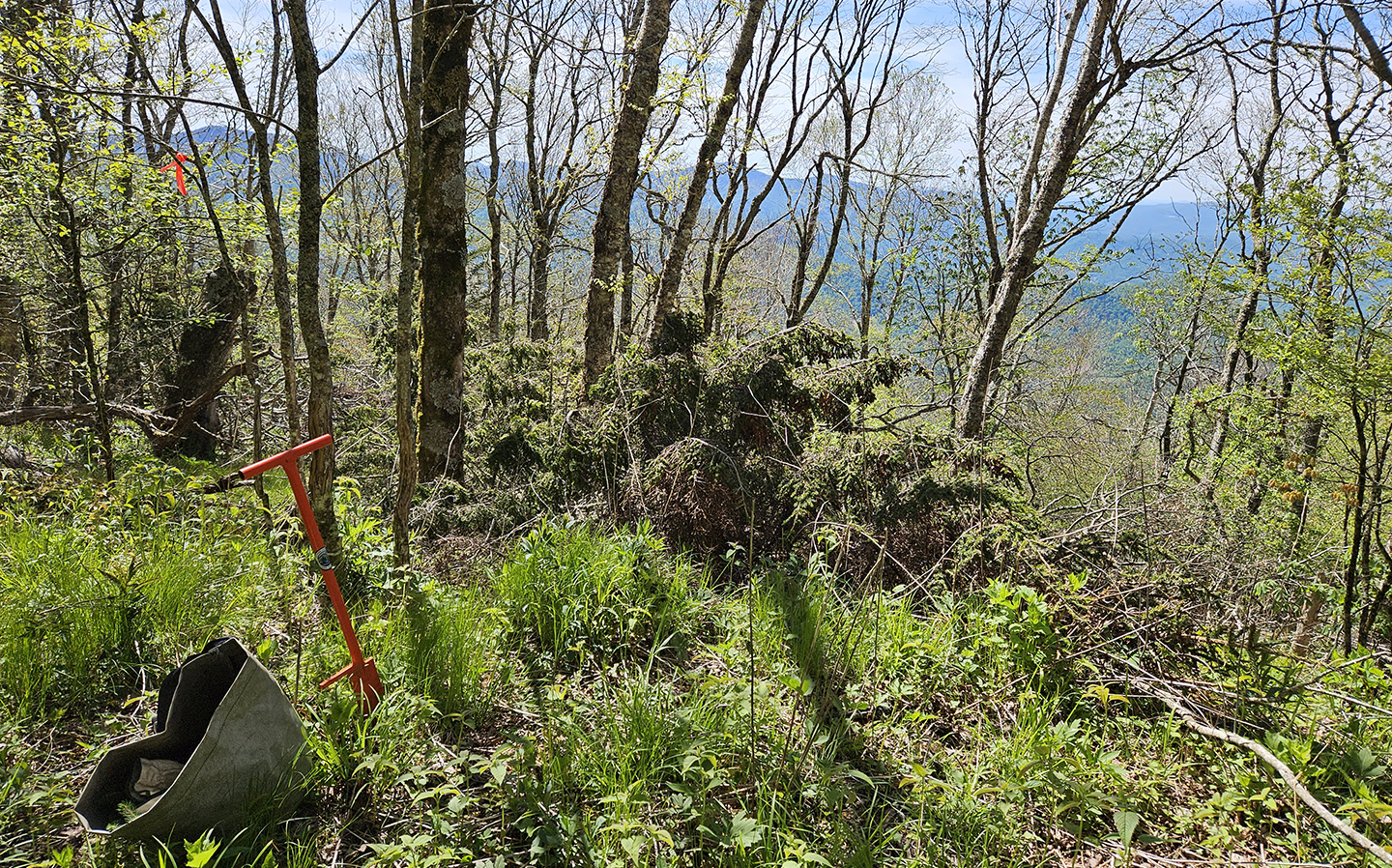
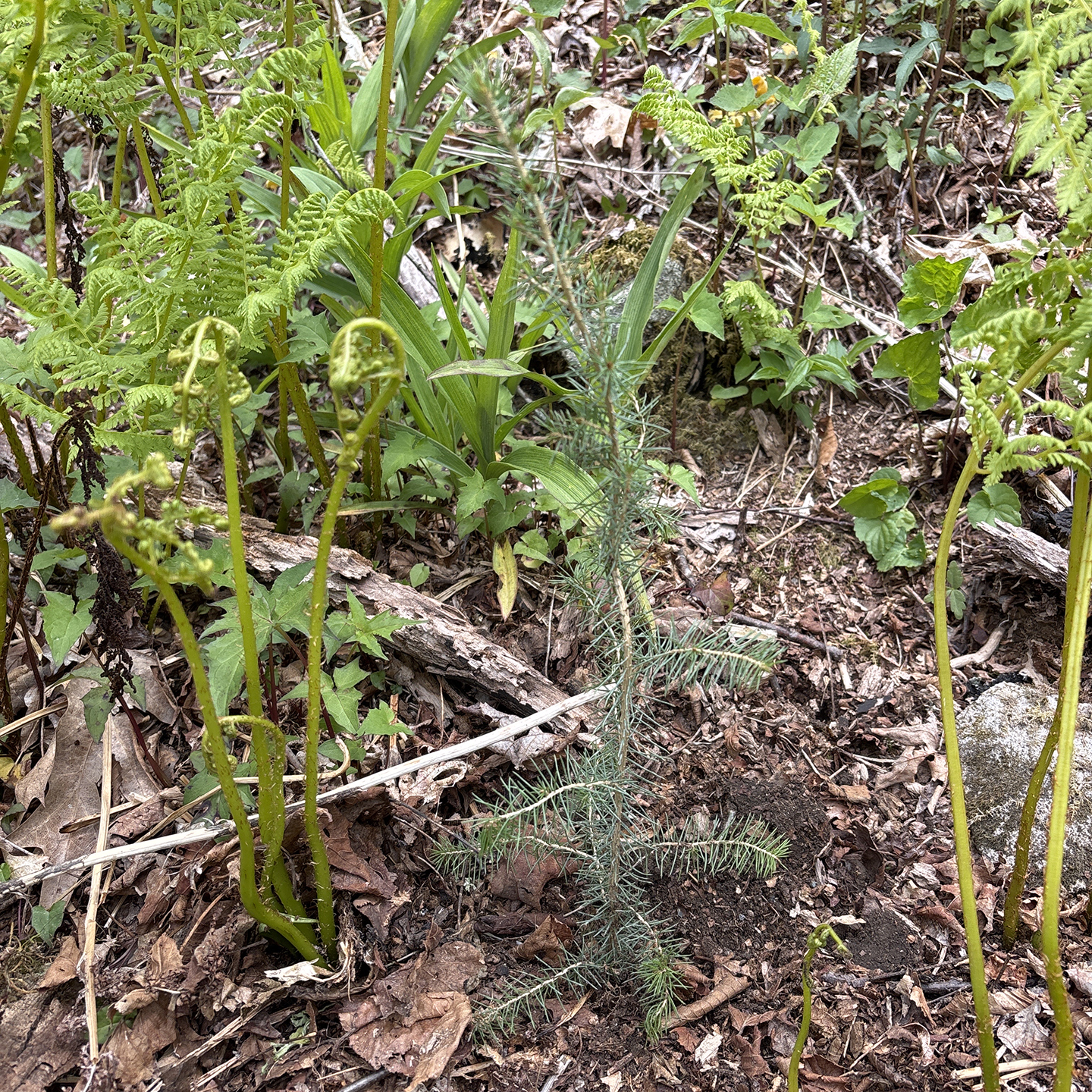
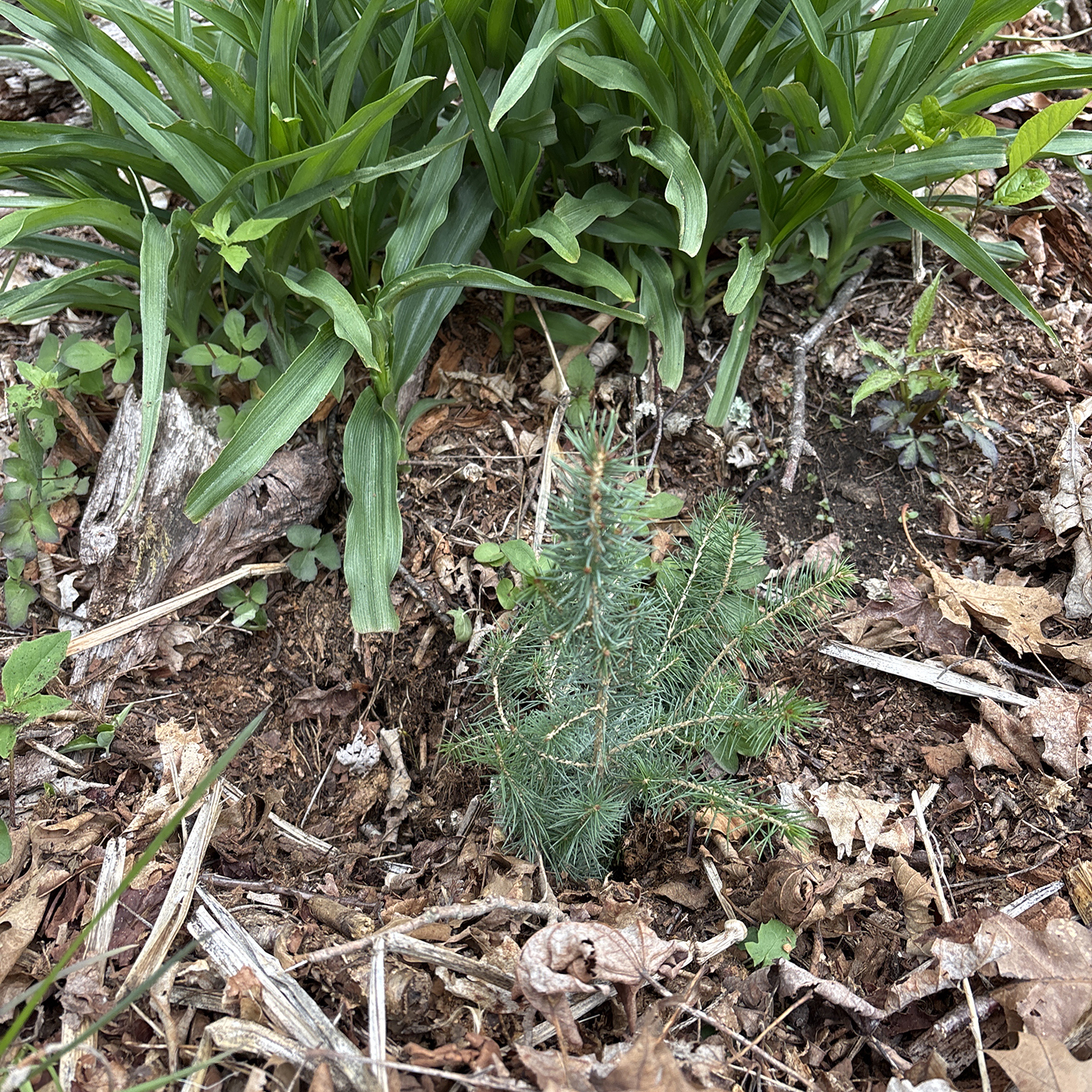
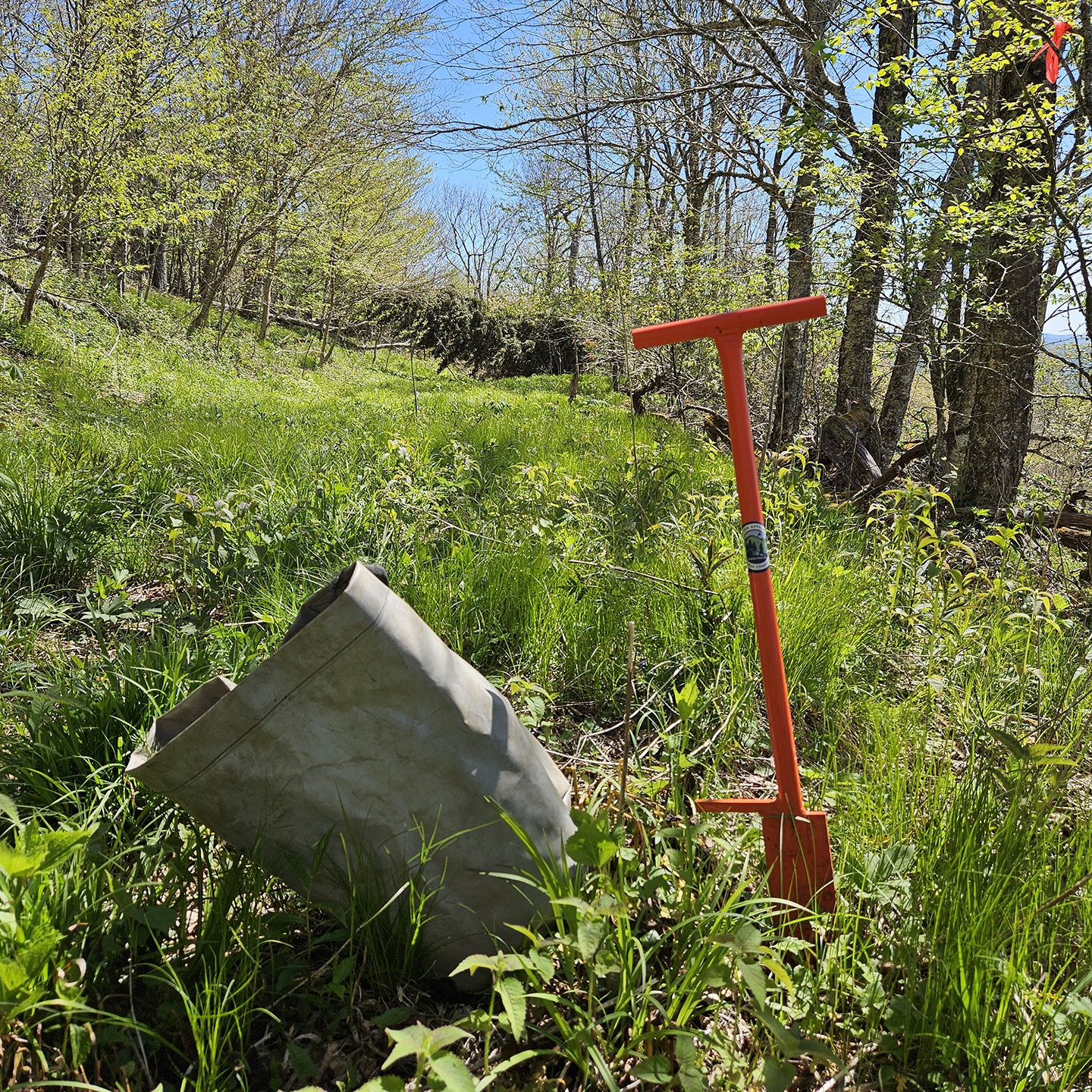
SAHC’s grant-supported restoration project includes clearing soil roads on the preserve for emergency access and wildfire response; reducing fire risk from “fine fuels” in blow down areas by getting small branches on the ground and treating invasives; planting red spruce, and studying storm impacts on high elevation forest bird species.
“We are grateful to be able to contribute to continued recovery efforts in our landscape and community, as we actively work with partners to restore rare high elevation habitats,” adds Marquette. “We also look forward to learning more about avian response to the natural disaster by using automated recording units on the preserve to document changes to the bird community over time.”