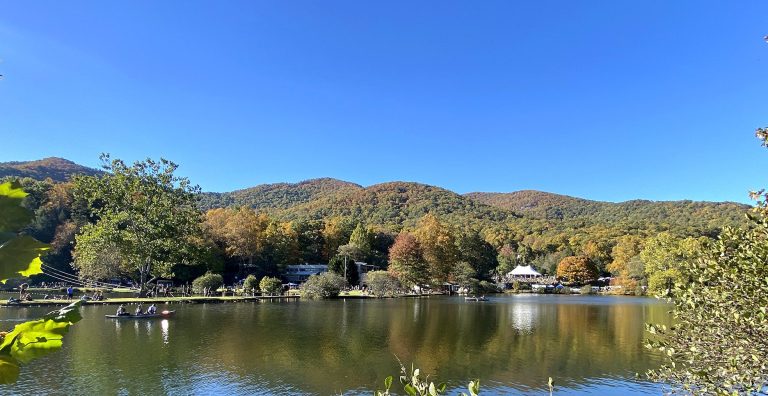
On Friday, November 12th we closed on the purchase of the 136-acre Views at Cranberry tract on Hump mountain in the Highlands of Roan. The property has been a longtime priority of SAHC because it presents an opportunity to preserve headwater streams of the Elk River watershed, which protects the public’s water sources, and to preserve the integrity of the Roan Mountain Massif as a landscape-scale ecological unit. The priority tract was actually marketed for sale as a development called “The Views at Cranberry” for over three years, which illustrates how close to development this environmentally significant property was.
The tract is part of a nearly 40-year conservation effort among multiple federal, state, and private agencies to protect the Highlands of Roan, a 24,000-acre conservation area that is among the top ecological jewels of the Southern Appalachian mountains. It lies within the boundaries of a NC Natural Heritage program-designated nationally significant natural heritage area, described in NC NHP’s 2006 Avery Country Natural Areas Inventory as “encompassing one of the most outstanding clusters of rare species and natural communities in the Southern Appalachians” and is an Audubon Important Bird Area.
The tract shares an extensive boundary with SAHC’s May Jewell tract, acquired in 2006, and the Forest Service on the east face of Big Hump mountain. Further, the property lies within one half mile of the protected Cranberry Iron Mine tract on which the NC Wildlife Resources Commission holds a 200+ acre conservation easement in order to protect the endangered Virginia Big Eared Bat. The Views at Cranberry property will also protect habitat for this endangered species. The protection of this tract will help buffer the Appalachian Trail corridor to preserve the experience of solitude that hikers experience on the trail.
Tucker Holler branch, a headwater tributary of Cranberry Creek, and the Elk River flow through the property. The property contains 13.7 acres of riparian buffers that serve to moderate water temperature, filter run-off, take up nutrients, prevent erosion and loss of land, and provide food and habitat for both aquatic and terrestrial wildlife. This project represents a unique opportunity to protect both riparian and upland areas of considerable elevation; the highest point is 4,800 feet.
We are so excited about this accomplishment and is appreciative of everyone who made this conservation project possible. To see 136 acres go from being marketed as a development to being permanently protected in the span of just a few years is a priceless success.