
What’s Growing on the SAHC Community Farm in Spring 2026?

The SAHC Community Farm has been blooming with life and bustling with activity this Spring! From volunteers in the gardens to birders along the trail to local farmers producing flowers and more, our ambassador property for education and community engagement welcomes people of all ages to engage in conservation.
Farm Incubator Program – A Successful Transition Story!
This year, one of our successful participants in the SAHC Farm Incubator Program – a business incubator for agricultural entrepreneurs – is transitioning to her own farmland. She recently purchased a property just down the road from the SAHC Community Farm in the Alexander Community.
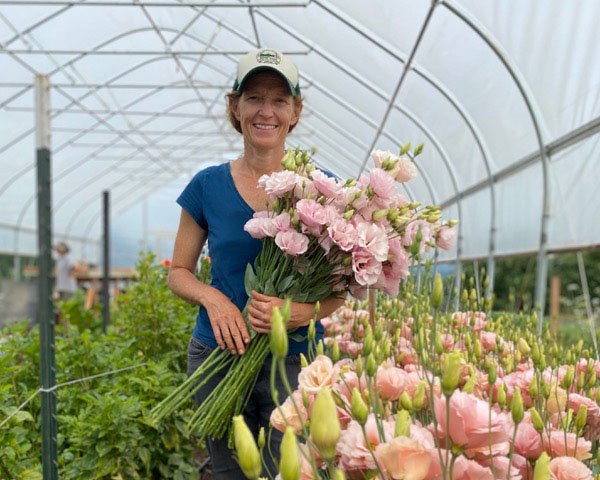
Suzanne Nolter, proprietor of Blazing Star Flowers, has been growing, selling, and teaching folks about flowers on the SAHC Community as a participant in the Farm Incubator Program over the past five years. Suzanne credits the program with helping her build her business and network in the region.
“The infrastructure at the farm (the greenhouses, walk-in cooler, tractor, irrigation water, market barn, value-added-kitchen) have all been incredibly valuable for getting my farm business up and running quickly,” says Suzanne. “These things can be prohibitively expensive in the early years of a farm business without going into heavy debt. The staff at SAHC have been wonderful supporters and allies as I’ve been building my farm business over the last six years.”
As part of our Farm Pathways collaboration with the Organic Growers School and NC Farmlink, SAHC also helps entrepreneurial farms build their networks of connection, access educational resources, and navigate pathways between building their businesses and securing their own farmland for long-term success.
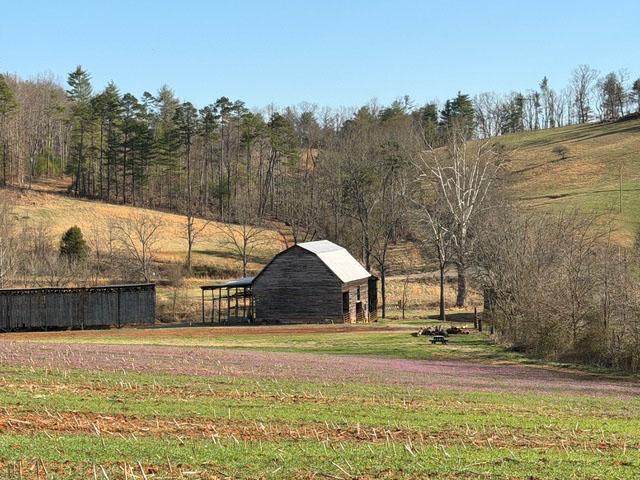
“My new farm is less than a mile down the road from the SAHC Community Farm,” continues Suzanne. “It was part of the Taylor Sluder Farm. The namesake of our road, Mag Sluder, was the matriarch of this family. This land has previously grown tobacco, hay and corn. It includes some wonderful old tobacco barns on the property.”
“After looking for land for 5 years, exploring NC Farmlink connections, working with real estate agents, etc, I was getting quite desperate because it is difficult to find ‘flat enough’ farmland for sale that isn’t in a floodplain,” she says. “I was looking at properties an hour north, south, east, and west of here, with no good options. In my time at SAHC, I got close to the neighbors here, and it was ultimately through the neighbor network that I was able to connect with someone nearby who was selling land that had been farmed by their family for over 200 years. They were eager to see it continue to be farmed and knew me from the neighborhood. I’m humbled and honored to continue the farming legacy on this farm that has been the heart of this community for so long. It sounds sappy but it’s truly a dream come true.”
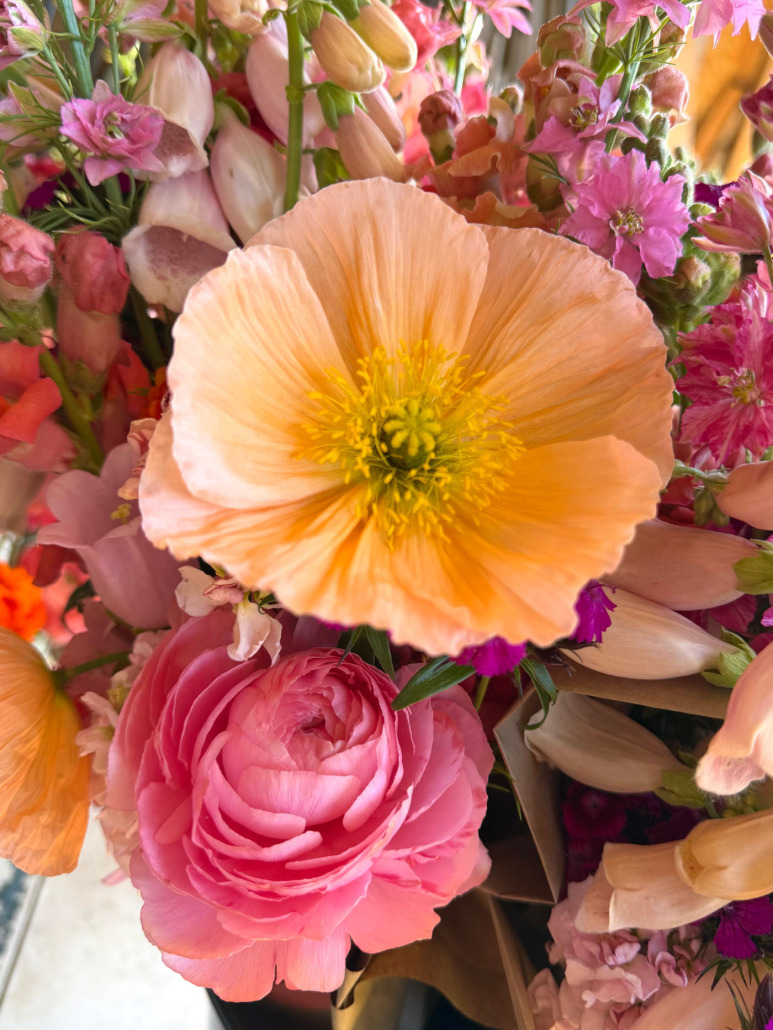
This season, Suzanne will continue to grow beautiful flowers on the SAHC Community Farm while she gets production up-and-running on her own land.
“In 2026 I am growing all my flowers to sell this season at SAHC while I am building up infrastructure on the new farm,” explains Suzanne. “In 2027 I plan to fully transition to the new land. The new property does not have utilities, greenhouses or infrastructure, so it is a big lift getting it all off the ground this season. I’m very very grateful to be able to grow at SAHC this year so that I don’t have to take a season off from sales while I get the new farm ready.”
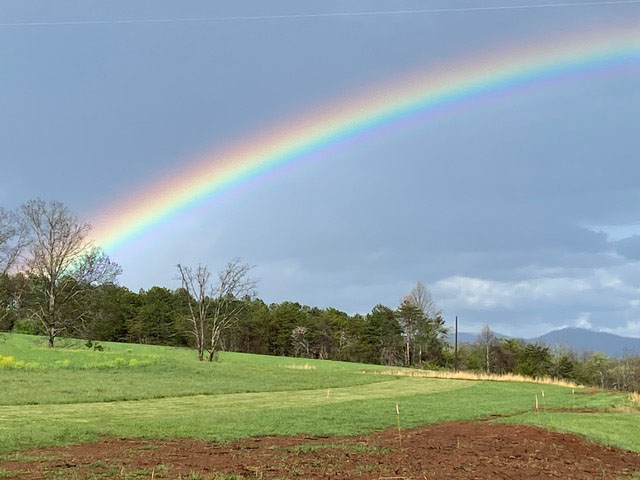
SAHC Community Farm Manager Chris Link assisted Suzanne in applying for funding resources to improve the infrastructure for her own land.
“I have been fortunate to receive a grant from WNC AgOptions this year to help build a heated greenhouse,” adds Suzanne. “I have applied for funding from the U.S. Dept. of Agriculture’s Natural Resources Conservation Service to build an unheated high tunnel, as well as funding for cover crops, mulching, establishing perennials, and other sustainable practices.”
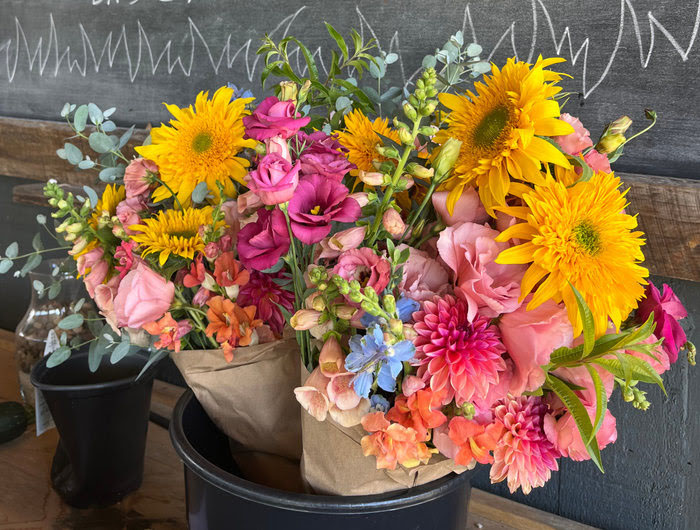
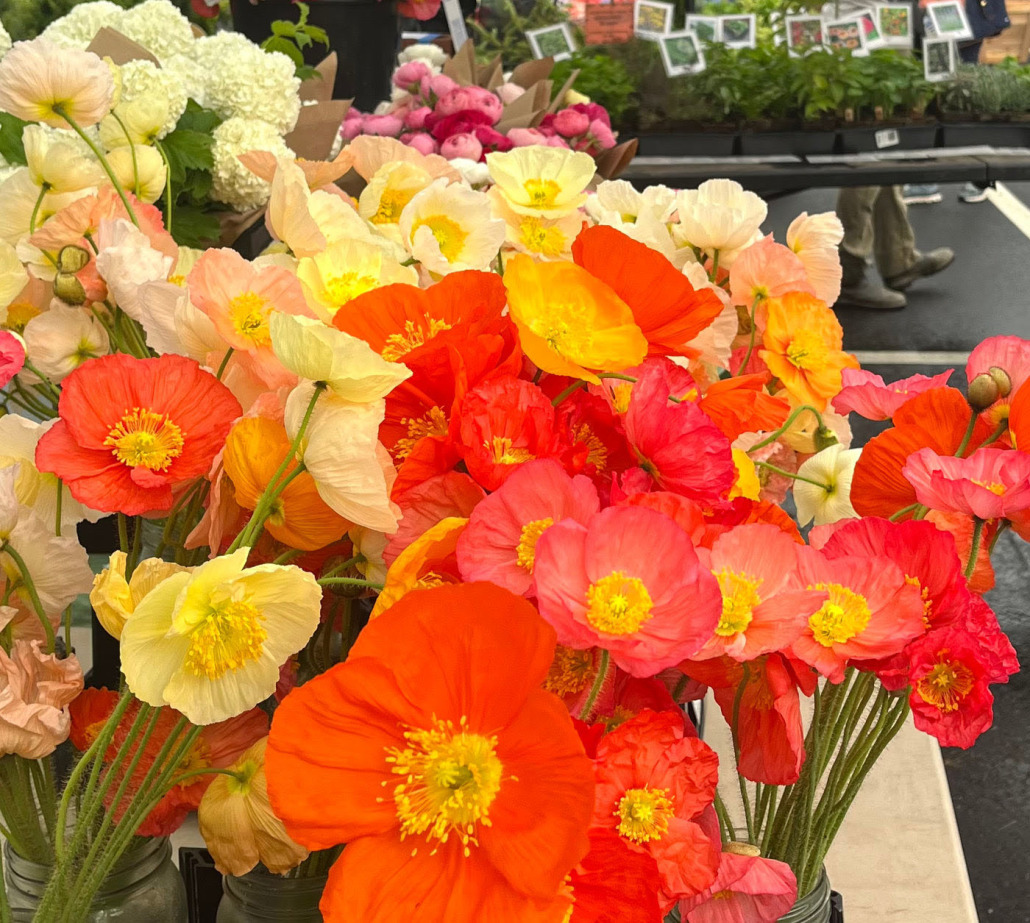
Interested in purchasing from Blazing Star Flowers? Here’s how!
“This year, you can find our flowers through our Flower CSA, at the Wednesday RAD Farmers Market, and by ordering bulk DIY buckets of loose stems or full service floral design for special events,” says Suzanne. “In the spring we sell plant starts and dahlia tubers at area plant sales, and in the fall, we usually have fresh flowers through Thanksgiving. On the new farm, I hope to expand opportunities for folks to come out and experience the beauty of the land and flowers through workshops and other farm-based experiences.”
For more information, visit BlazingStarFlowers.com.
So, what will happen in the production space that Blazing Star Flowers will vacate on the SAHC Community Farm?
“We’re really excited to have another flower producer coming along in the Farm Incubator Program, who will be able to transition into the growing space Suzanne has been using as she graduates out of the program,” explains Chris.
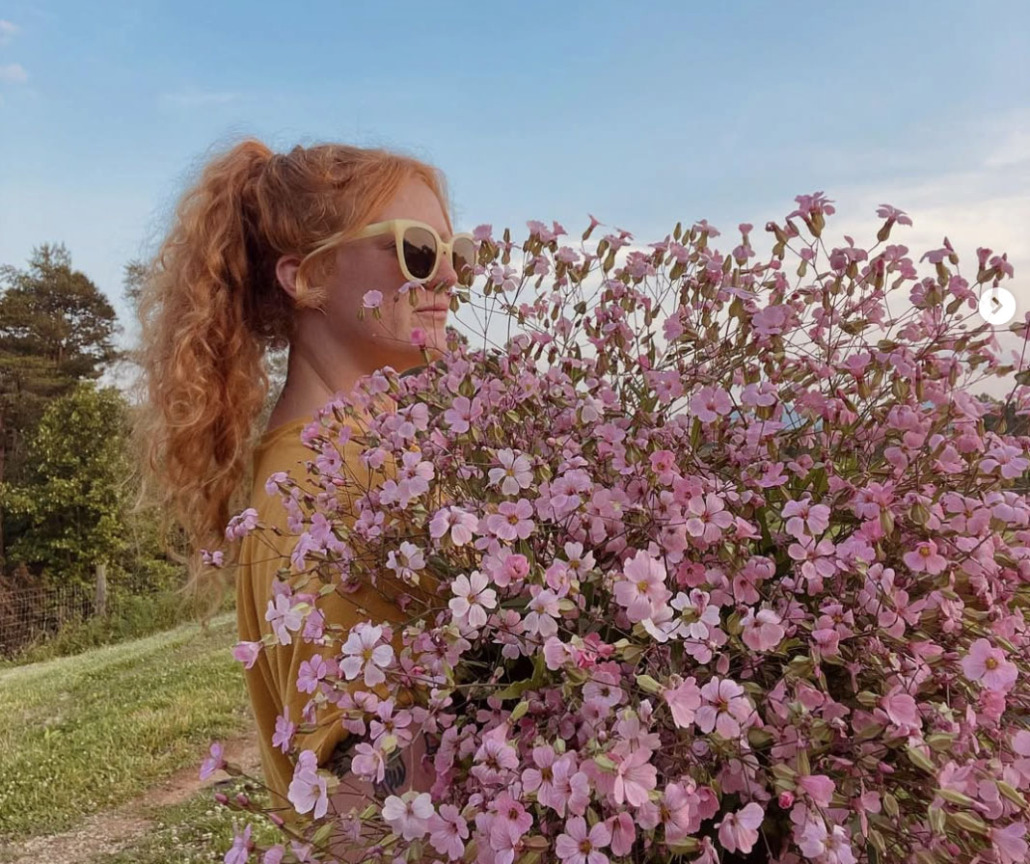
Dylan Rachelle, proprietor of Daisy Chain Flowers, is in her second year as a producer in SAHC’s Farm Incubator Program.
“The program has helped my little farm immensely,” says Dylan. “My main obstacle has been land. Finding land isn’t easy, and having land access and access to community tools and equipment is really helpful. In the program, I appreciate that I’m free to do my own thing and don’t have to fit into any certain ‘box’ as I’m trying things out and honing in on what works for my farm. I’m also excited to dive into early spring production using the high tunnels next spring.”
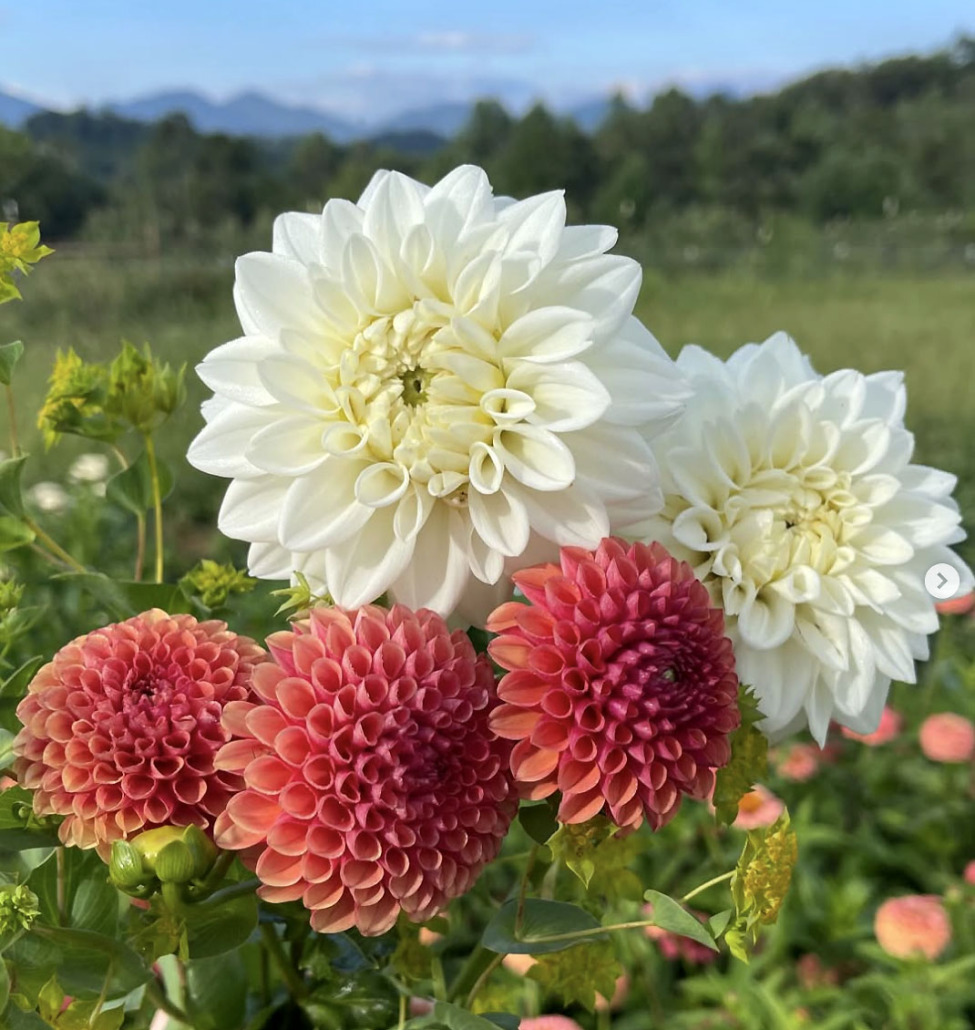
Excited about future plans, Dylan has already begun expanding her production area on the SAHC Community Farm.
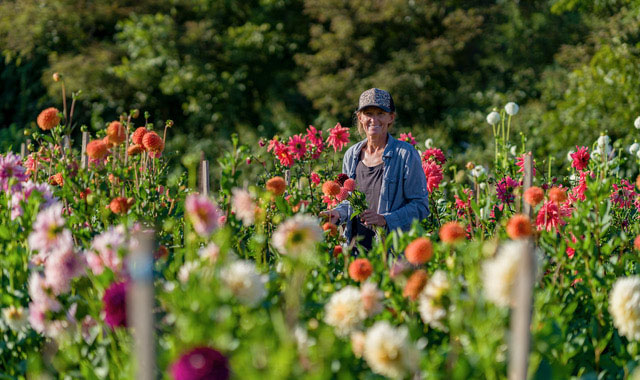
“This year I’m doubling my dahlia production,” says Dylan. “I’m also doing trials of different cut flower varieties to see how they do with florists and customers. By next season, I hope to use more space and add a part-time farm helper as Blazing Star Flowers moves to their forever property. Farming is truly such a rewarding path. It has taught me so much patience, and participating in SAHC’s program has given me the space to fail and get back up again. I’m excited to host future floral design workshops and enable folks in the community to enjoy hands-on time with flowers and create meaningful connections in that way.”
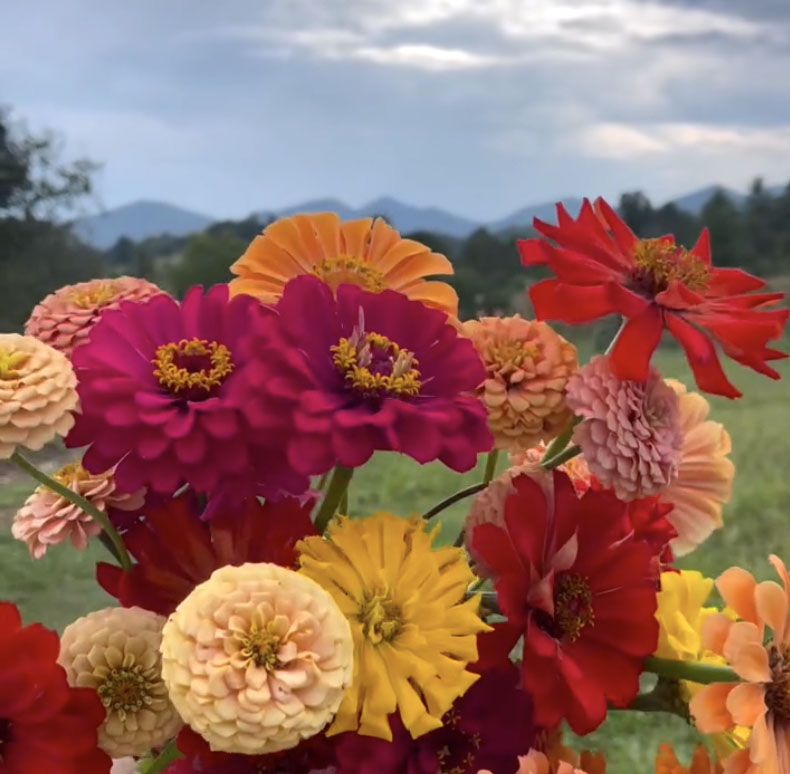
Dylan looks forward to offering opportunities for volunteers who want to get their hands dirty while learning. Want to find out more? Follow her on Instagram @daisychainflowerfarm, or reach out directly via email to connect and/or reserve a flower CSA at hellodaisychainflowers@gmail.com. On June 21, Dylan will host an Ikebana Inspired Workshop at Palm + Pine Studio space in West Asheville.
Find more info, visit daisychainflowerfarm.square.site
Improving Regional Food Security with Utopian Seed Project
Elsewhere on the farm, our nonprofit partners in the Utopian Seed Project have increased their use of land and infrastructure resources on the SAHC Community Farm to add capacity in their seed selection work. They also plan to host more workshops at the event space on our farm.
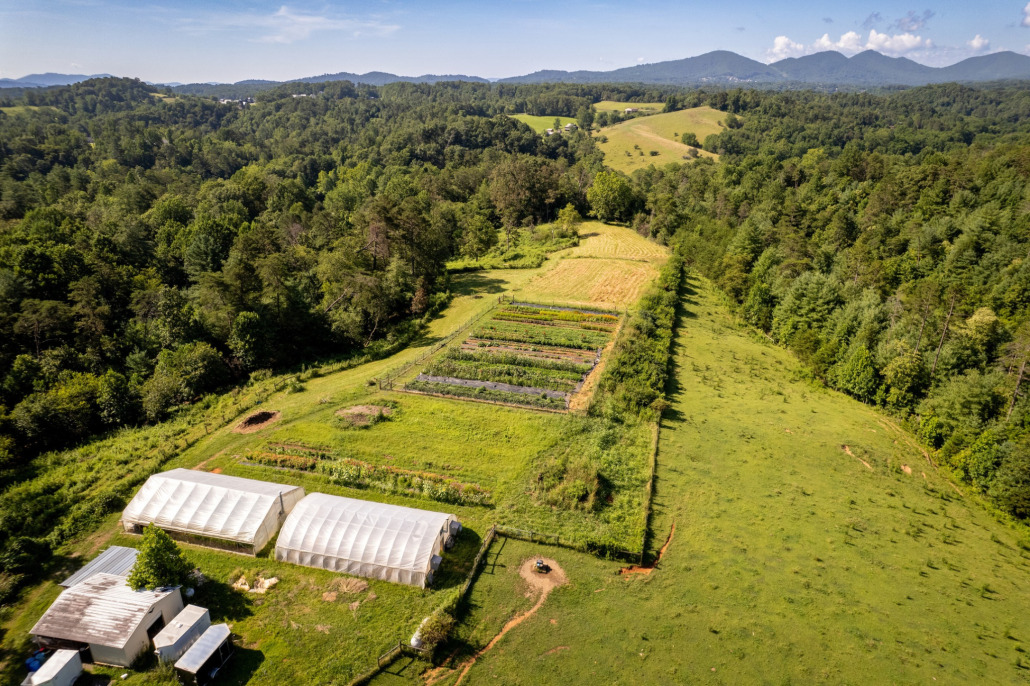
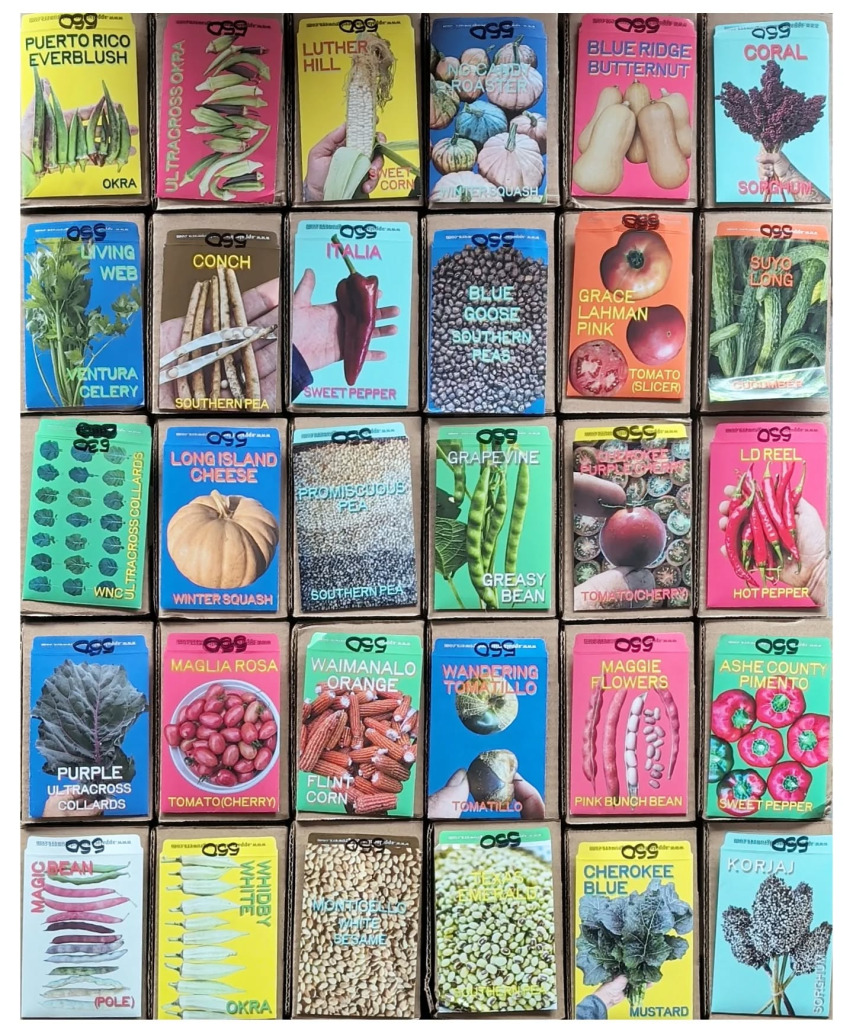
“We are so thrilled to partner with the Utopian Seed Project to help strengthen food security in the region,” says Chris Link. “They are using the space here to grow a variety of crops for seed trials, including collards, celery, okra, sweet potatoes, and more. This process takes a long time. You need a whole growing season to select the best plants – to see what different varieties or crossed plants survive best in different conditions, and select those varieties or specific plants within a variety to save seeds for future propagation. In the face of more extreme climate changes, we need to develop and select food crops that grow best in the specific area where we live in order to create a more resilient and reliable food source. For example, Utopian Seed Project looks for plants that can survive a torrential amount of rain (such as the downpours from Helene), but also do well in extreme heat or drought. They collaborate with others in this work, in the Appalachian Growers Seed Collective.”
Learn more at UtopianSeed.com or purchase seeds directly from them at www.utopianseed.org/store.







 Dennis Oakley CNPA